
 EN
EN
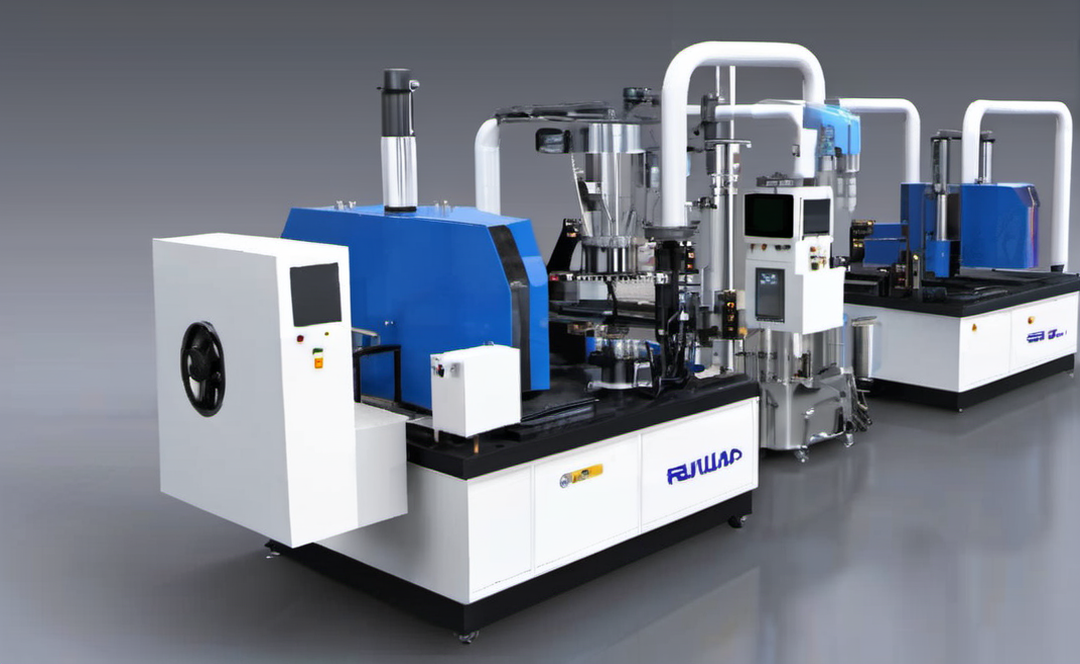
Energy costs and carbon reporting are becoming real competitive factors in flexible packaging. If you operate a polythene bag machine (or plan to invest in a polythene bag manufacturing machine), modern upgrades like servo drives and efficient heating systems can reduce kWh per bag and improve OEE at the same time.
This article explains where energy is consumed in bag production and how to reduce both power cost and carbon footprint without sacrificing output.
1) Where Energy Goes in a Polythene Bag Line
Main consumption areas:
- drive motors (feeding, sealing, cutting, winding/stacking)
- heat sealing heaters
- compressors (pneumatics)
- cooling fans/chillers (if used)
2) Servo Drives: Efficiency + Less Scrap
Servo improves:
- length control accuracy
- faster stabilization after restart
- reduced overrun and miscut scrap
- better synchronization for high speed
Result: fewer rejects = less wasted energy per sellable bag.
3) Efficient Heating: Control the Seal Window
Upgrade focus:
- closed-loop temperature control
- insulated heater blocks where possible
- faster recovery systems
- preventive replacement of worn pads and Teflon
Stable sealing reduces rejects and avoids overheating losses.
4) Compressed Air Optimization
- fix leaks (largest hidden cost)
- lower pressure where possible
- use proper air preparation (dry/filtered)
- avoid “air as cleaning” habits that waste energy
5) Carbon Footprint Accounting (Simple Method)
Track:
- kWh per 1,000 bags
- scrap percentage
- downtime hours
These three KPIs often capture most improvement opportunities.