
 EN
EN
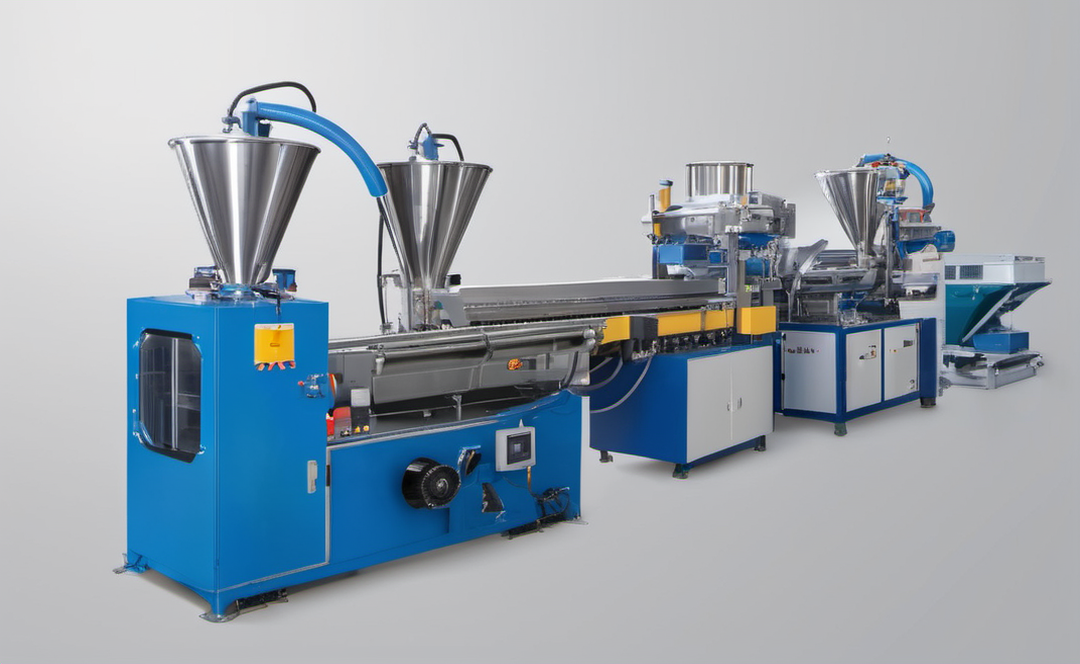
High-transparency PET sheet is one of the most demanding products in the sheet world. The same PET resin that looks perfectly clear in one factory can produce haze, pearlescent “fog,” streaks, crystallization spots, or gels in another—often on the same thickness and width.
From a polymer application specialist’s perspective, clarity problems are not solved by “raising temperature” or “changing the die.” In PET sheet extrusion, optical quality is dominated by three engineering pillars:
- Moisture control (dehumidifying + drying discipline)
- Low-shear, PET-optimized screw and melt handling
- Fast, uniform quenching on a 3‑roll calender (rapid cooling to lock in amorphous structure)
This article explains how to configure a PET sheet extrusion line to achieve high transparency and stable production, and it highlights what differs versus PP sheet extrusion, PVC sheet extrusion, and foam sheet extrusion. If you’re evaluating a sheet extruder, use this as a technical checklist to reduce haze risk and shorten commissioning time.
1) Why PET Sheet Turns Hazy: The Real Mechanism (Crystallization + Degradation)
PET sheet is clear when it remains largely amorphous. Haze increases when PET develops:
- micro-crystallites (light scattering)
- hydrolysis degradation (molecular weight reduction leading to poor melt strength and defects)
- contamination/gels (optical defects)
Two root causes drive most clarity issues:
A) Moisture → hydrolysis during melting
PET is moisture-sensitive. If moisture enters the extruder, chain scission occurs. Results:
- lower IV (intrinsic viscosity)
- unstable viscosity and draw behavior
- more surface defects and haze
- increased acetaldehyde and odor risk (depending on grade)
B) Cooling profile → crystallization
Even if the melt is perfect, slow or uneven cooling through the crystallization temperature range can create hazy zones or “fog” patterns.
So transparency is not “one parameter”—it is the outcome of moisture + shear + cooling.
2) Dehumidifying and Drying: The #1 Transparency Control Point
In PET sheet extrusion, dryer performance is not optional. A “working” dryer that is slightly underperforming can still produce sheet—but not optical-grade sheet.
2.1 What to control (practical targets)
Exact numbers vary by resin supplier, but operationally you must ensure:
- sufficiently low dew point air
- stable drying temperature and residence time
- consistent material flow (no short-circuiting)
Operational best practice
- Install dew point monitoring and alarms
- Use closed-loop dehumidifying dryers sized for your throughput
- Keep hopper and conveying lines sealed to prevent moisture re-absorption
- Minimize open exposure time between dryer discharge and extruder feeding
2.2 Common drying failures that create haze
- dryer not reaching dew point due to saturated desiccant
- air leaks in hopper, hoses, or loader connections
- “bridging” or channeling in hopper → uneven drying time
- regrind not dried equally (regrind absorbs moisture faster than pellets)
If you run regrind in transparent PET sheet, drying discipline must be even tighter.
2.3 How to confirm dryness without guessing
- monitor dew point continuously
- periodically test pellet moisture with a moisture analyzer
- correlate haze events with dryer regeneration cycles and material lot changes
A stable dryer removes one of the biggest sources of random quality variation.
3) PET-Optimized Screw Design: Reduce Shear, Improve Homogeneity
A generic plastic screw may run PET, but it often creates:
- excessive shear heat (temperature gradients)
- poor melting uniformity (streaks)
- unstable pressure (thickness variation)
- more gels from local overheating
A PET sheet sheet extruder typically benefits from:
3.1 Gentle melting and stable metering
Key ideas:
- controlled compression ratio
- longer melting length if needed
- stable metering zone to feed the die evenly
3.2 Mixing—enough, but not too aggressive
PET needs good melt uniformity, but over-aggressive mixing can increase shear heating and degradation. A balanced mixing section helps:
- reduce temperature gradients
- improve clarity
- reduce “flow lines”
3.3 Melt filtration strategy
For transparency, filtration matters:
- screen packs / continuous screen changers
- melt filters with stable pressure drop behavior
A filter that clogs quickly causes pressure fluctuation → thickness drift and optical streaking.
4) Melt Temperature Control: Stable, Not “Hot”
A common mistake is to raise temperature to “improve flow.” With PET, overheating:
- increases degradation risk
- creates more gels and black specks
- worsens haze in some cases due to instability
Better approach
- maintain stable zone-to-zone temperature profile
- ensure good barrel cooling capacity (for shear heat)
- avoid large temperature swings during speed changes
For clarity, consistent viscosity is more valuable than maximum output.
5) 3‑Roll Calender Rapid Cooling: The Core Technology for Transparency
Your sheet can be perfectly melted and still become hazy if cooling is slow or uneven.
5.1 Why rapid cooling matters
PET crystallizes in a certain temperature range. If the sheet spends too long in that range—especially with uneven roll temperature—you get:
- localized crystallization → haze patches
- edge haze due to uneven cooling or edge bead behavior
5.2 What “good” 3‑roll cooling looks like
Evaluate:
- roll temperature control stability (water/thermal oil system quality)
- flow distribution inside rolls (no hot zones)
- roll surface finish and cleanliness
- nip pressure uniformity and alignment
- sufficient roll diameter/stiffness to avoid bending
Operational result: fast, uniform quench locks PET into amorphous clarity.
5.3 Common cooling problems that create haze
- roll temperature too high or drifting
- insufficient cooling capacity at higher output
- roll scaling/blockage reducing heat transfer
- misalignment causing uneven nip and thickness variation
- dirty roll surface imprinting defects
6) Comparing PET vs PP Sheet Extrusion / PVC Sheet Extrusion / Foam Sheet Extrusion
These processes share equipment categories, but clarity control differs:
- PP sheet extrusion: moisture sensitivity is lower; clarity depends more on resin clarity and cooling, but hydrolysis is not the same risk.
- PVC sheet extrusion: heat stability and additive control dominate; thermal degradation shows as discoloration/black specks.
- Foam sheet extrusion: cell structure uniformity and nucleation dominate; haze concept differs because foam scatters light intentionally.
So a “universal” sheet extruder setup is rarely ideal for PET transparency goals.
7) Practical Troubleshooting Map: Defect → Most Likely Cause
Haze increasing over time
- dryer performance drift, desiccant saturation
- filter clogging increasing shear and temperature
- roll cooling scaling reducing quench rate
Haze only at edges
- edge cooling imbalance, roll temperature distribution
- die lip edge flow instability, edge bead issues
- insufficient trim management
Streaks / flow lines
- melt temperature gradients
- screw mixing imbalance
- screen pack issues or contamination
Gels / black specks
- overheating and degradation
- contamination (regrind, poor cleaning)
- dead spots in adapter/die
8) Build a “High Transparency PET Sheet” Acceptance Checklist (For RFQ/FAT)
When buying a sheet extruder for PET sheet extrusion, request:
- dryer dew point specification + monitoring method
- screw design purpose-built for PET (drawing + description)
- filtration system and expected pressure stability
- 3‑roll stack temperature stability spec and cooling capacity
- sample sheet haze measurement method (ASTM haze test if applicable)
- startup scrap target and stabilization time