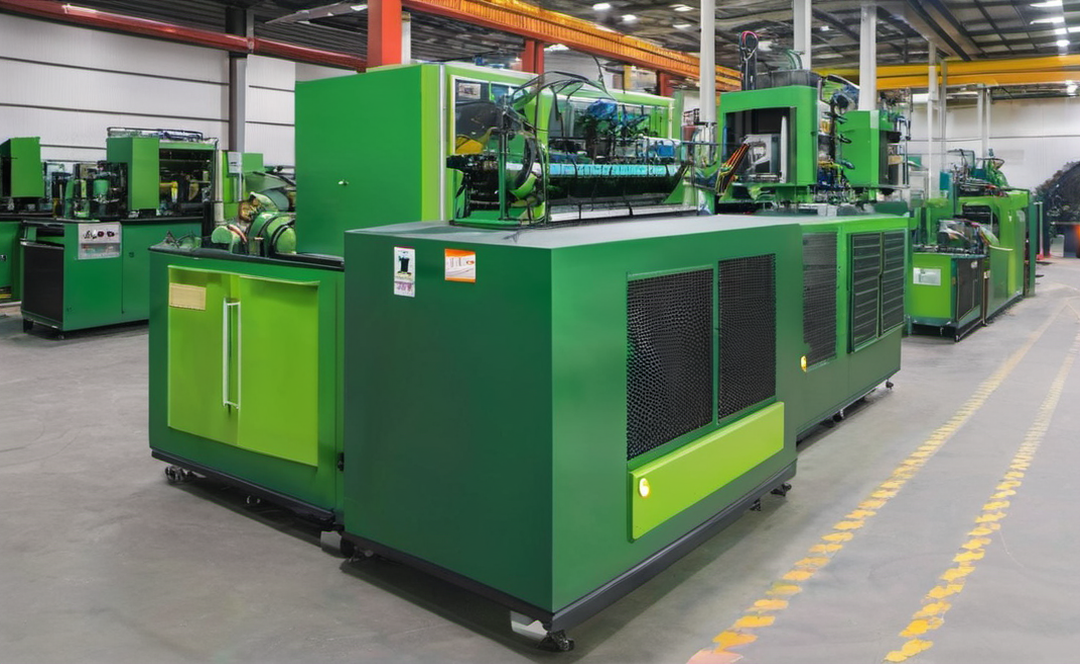
Thickness consistency is profit. Every thickness wave creates waste: off-spec rolls, customer complaints, and unstable downstream cutting or thermoforming. For many sheet producers, thickness fluctuation is the number one cause of scrap. This deep pr...
VIEW MORE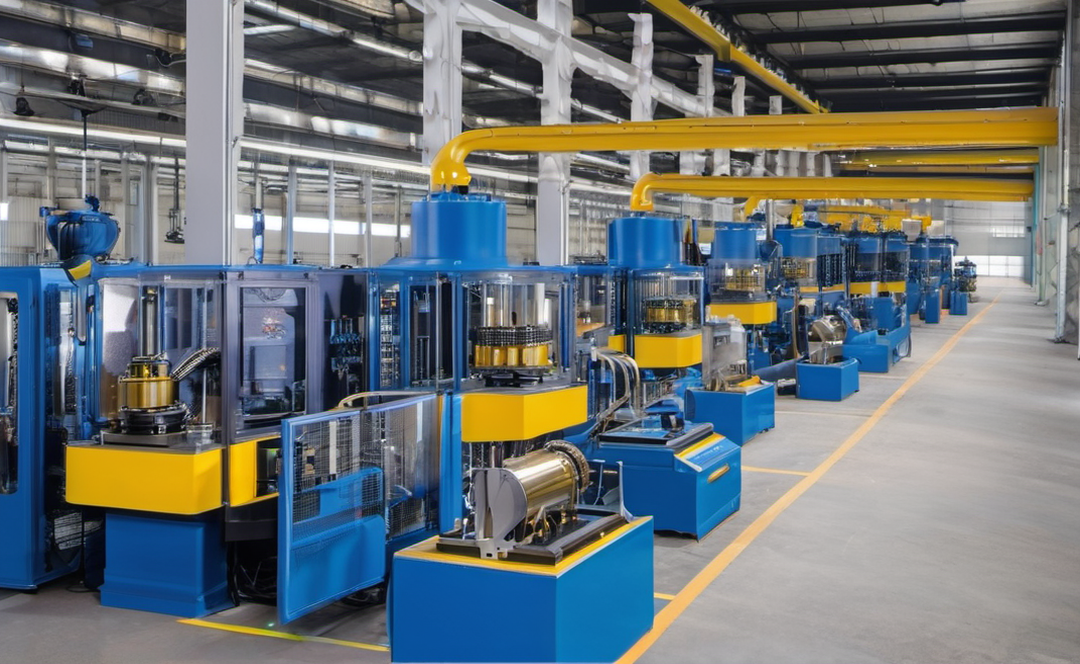
Many bag factories want to capture green market demand but fear operational disruption: new materials behave differently, sealing windows are narrower, and customer compliance expectations are higher. A successful move to biodegradable production req...
VIEW MORE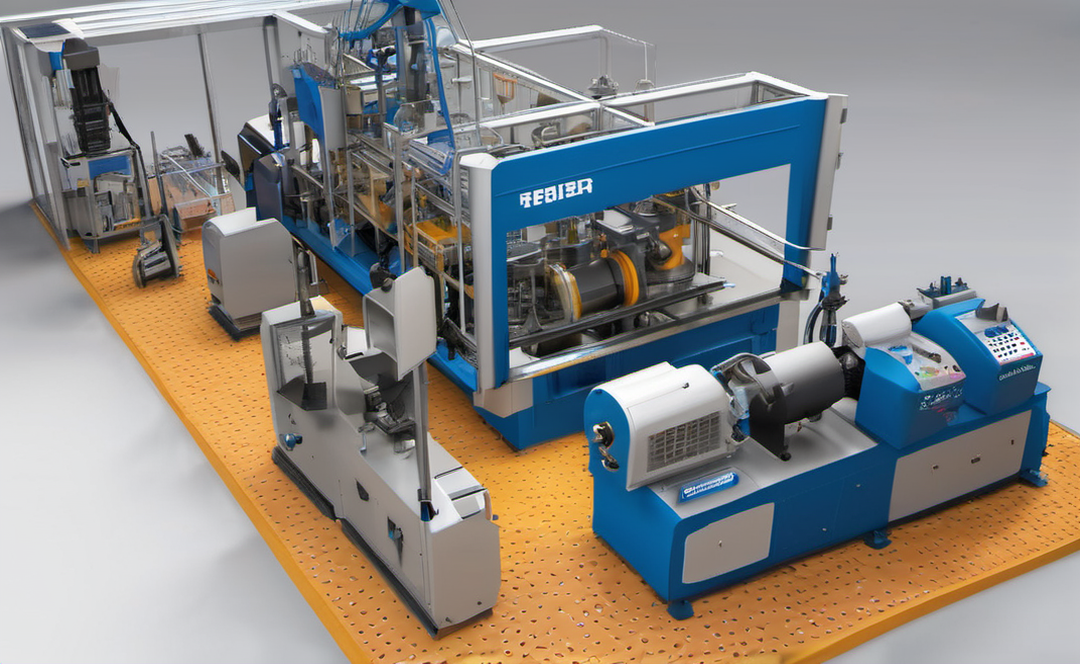
Spunbond non woven production is a highly engineered process. Quality depends on the balance of polymer extrusion stability, airflow dynamics, filament attenuation, and thermal bonding. For medical and industrial applications, small process drift can...
VIEW MORE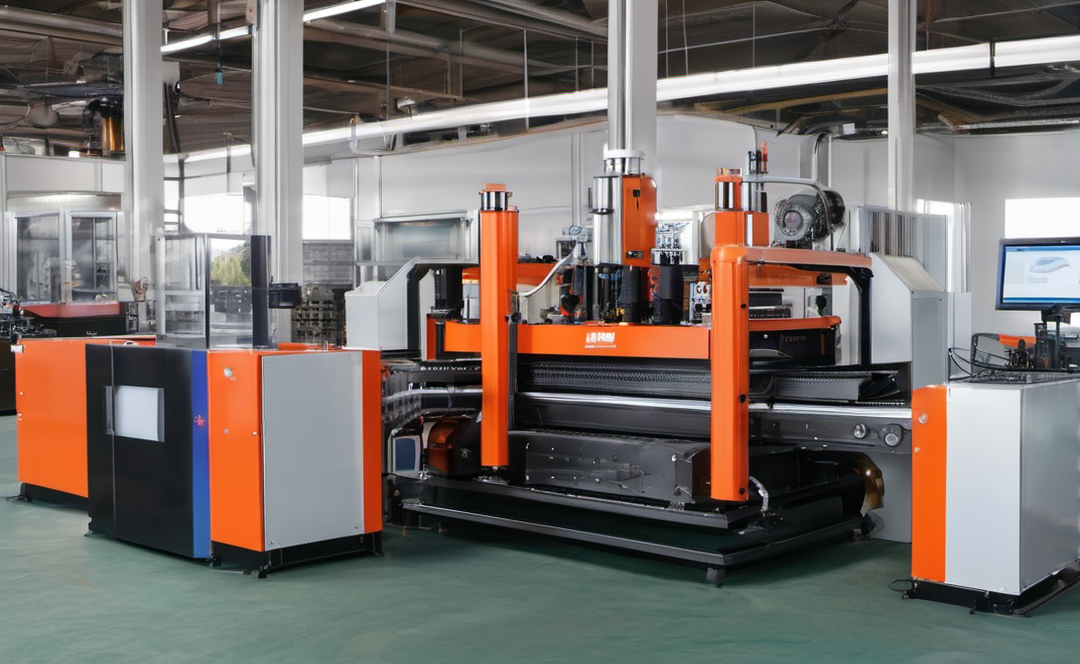
Water pouches are considered food-contact packaging in many markets. Hygiene is not optional: poor sanitation can create real health risk, recalls, and brand damage. That is why a water pouch making machine must be designed as a hygienic sy...
VIEW MORE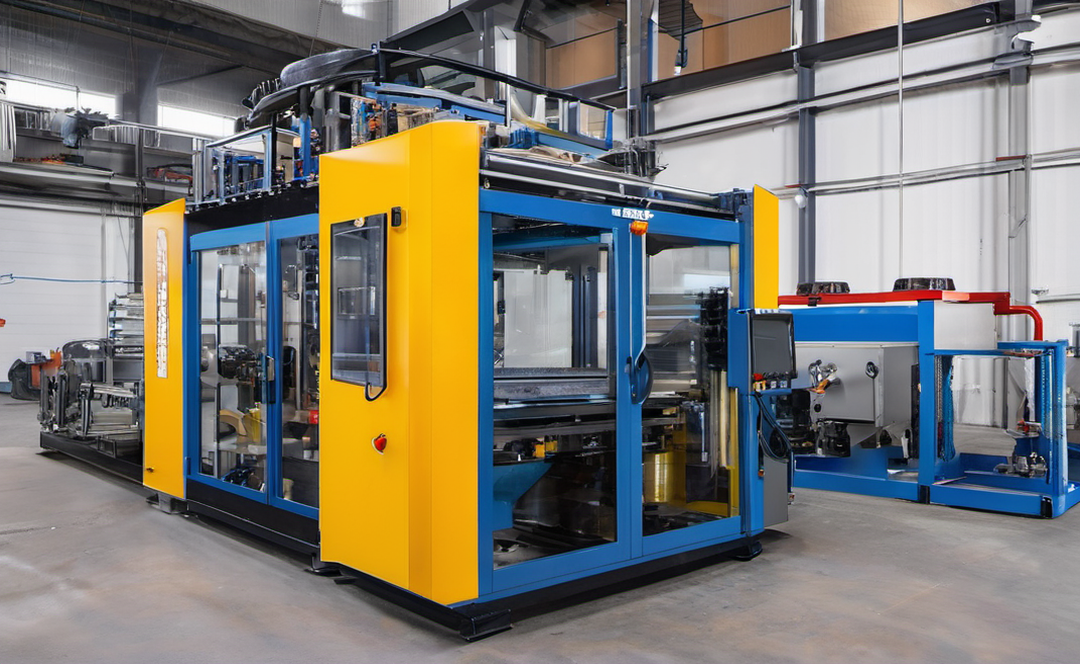
Post-consumer recycled plastic (PCR) is becoming a mainstream requirement for packaging and garbage bags. Brands and retailers want real circular-economy progress, while governments introduce recycled-content targets. For manufacturers, this creates ...
VIEW MORE
Many buyers search plastic bag making machine price and notice that used machines can be dramatically cheaper than new ones. But “cheap” often hides cost and risk: higher maintenance, missing spare parts, outdated control system...
VIEW MORE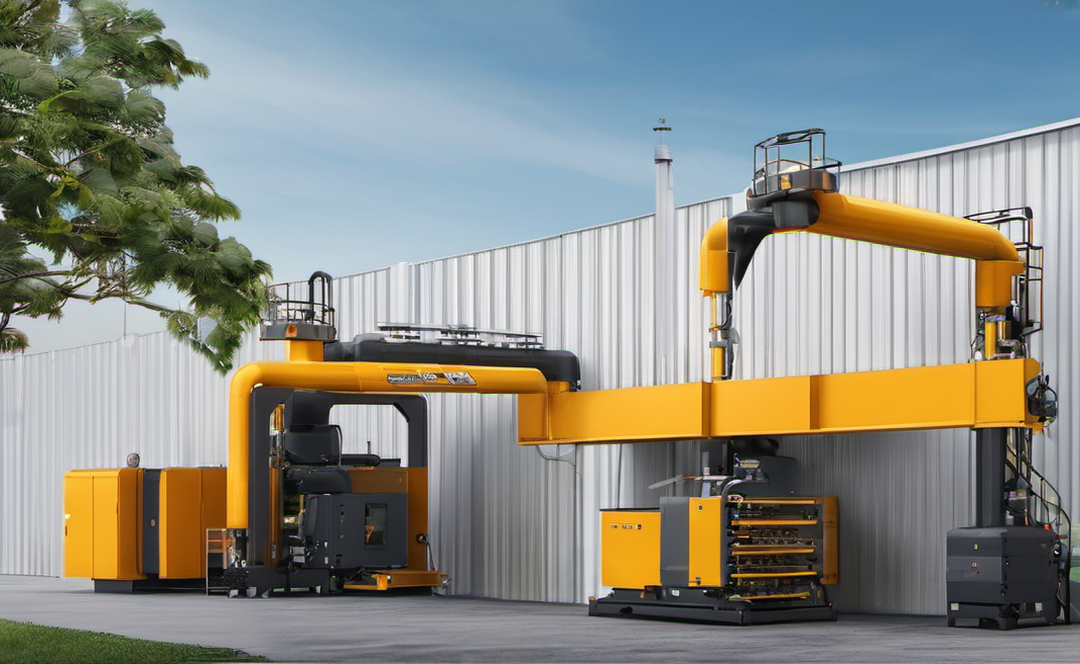
Courier bags (mailers) are the “front line packaging” of e-commerce. They must survive automated sorting, long-distance transport, and rough handling—while preventing tampering and protecting customer privacy. That makes equipment s...
VIEW MORE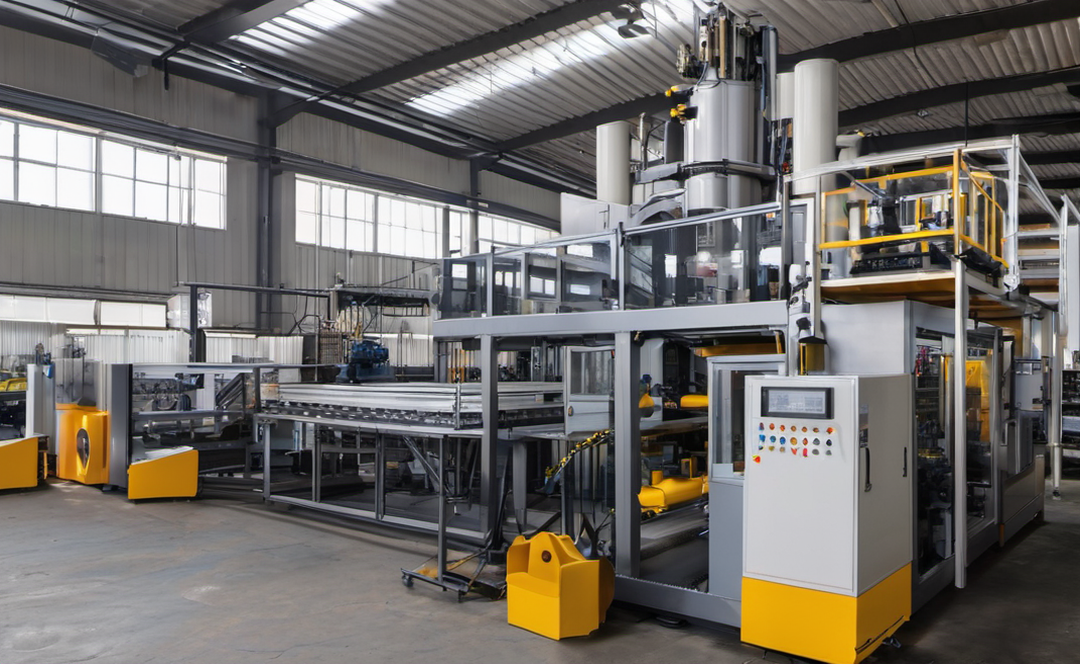
Biodegradable bag production is often harder than conventional PE bag converting. Many biodegradable materials have a narrower sealing window, higher heat sensitivity, and different friction behavior—leading to weak seals, burn-through, or unst...
VIEW MORE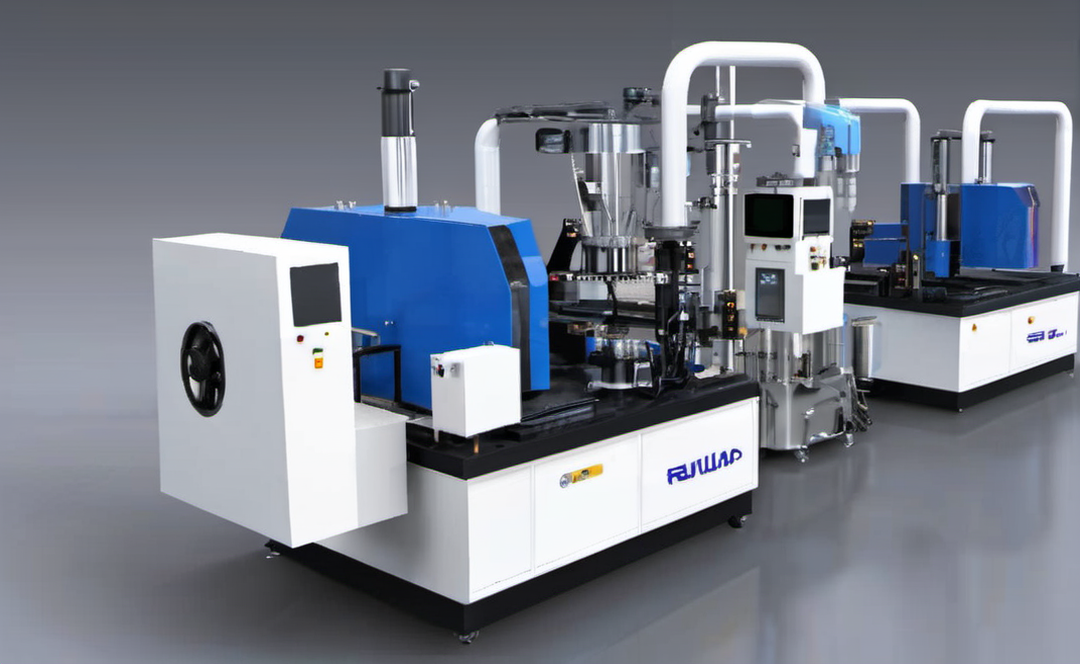
In PP woven sack production, profit often disappears in “small losses”: cutting inaccuracies that create off-size panels, misaligned laminations that generate rejects, and scrap that is not recovered efficiently. The best factories apply ...
VIEW MORE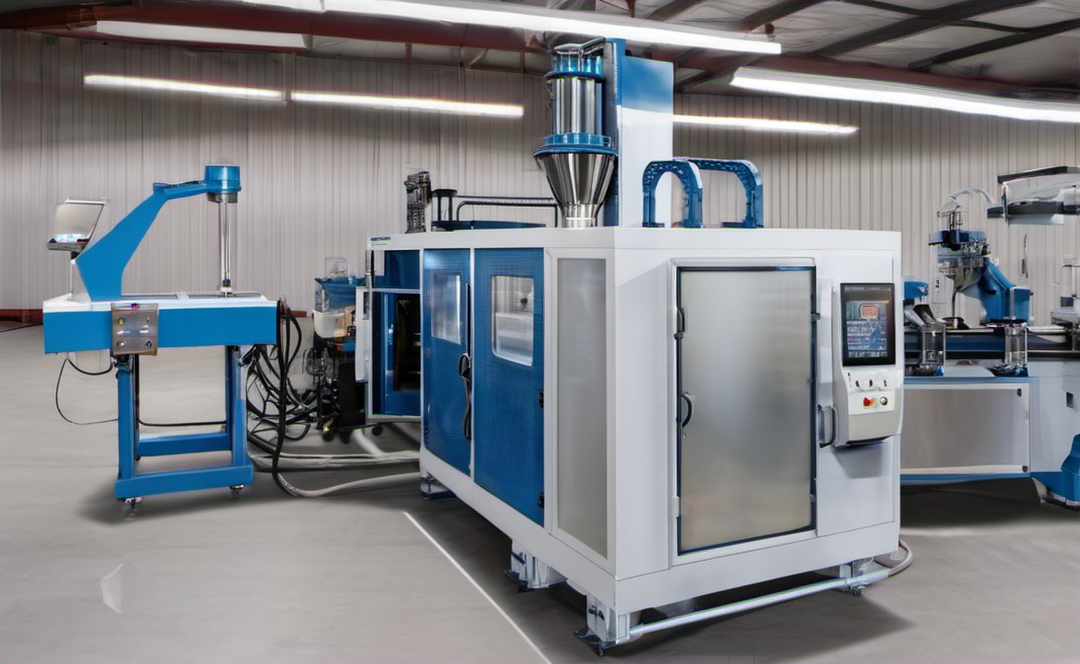
The non woven bag industry is undergoing a clear technology shift: ultrasonic bonding is increasingly replacing traditional sewing for many mainstream bag types. Manufacturers adopt ultrasonic not only to increase speed, but also to standar...
VIEW MORE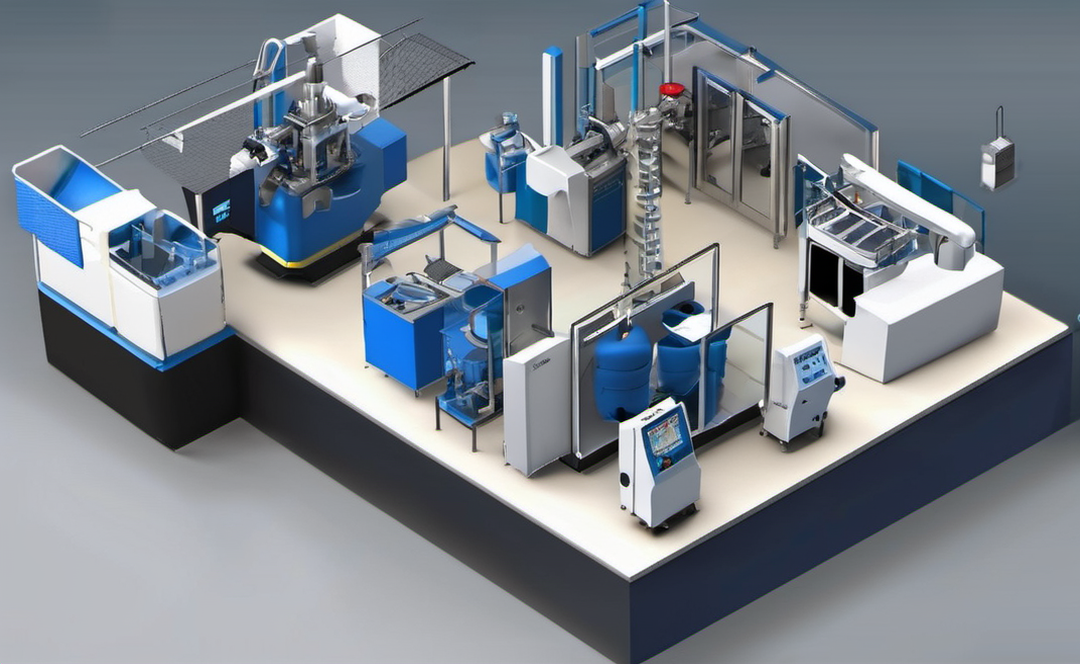
Rubber is tough on cutting systems. It’s elastic, high-friction, and can contain abrasive fillers that accelerate blade wear. To maintain high cutting accuracy and clean edges, a rubber sheet machine needs disciplined maintenance&mdas...
VIEW MORE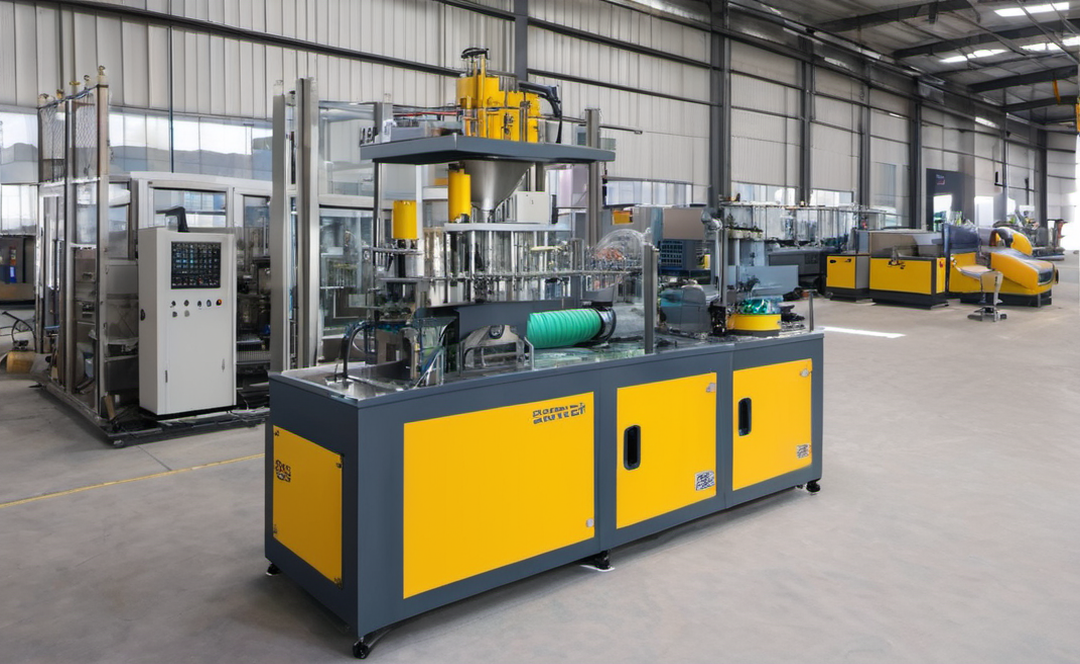
Thickness deviation is a profit killer in sheet production. It raises scrap, creates customer complaints, and destabilizes downstream thermoforming or cutting. The challenge is that thickness variation can be caused by pressure instability, die tempe...
VIEW MORE
 EN
EN