
 EN
EN
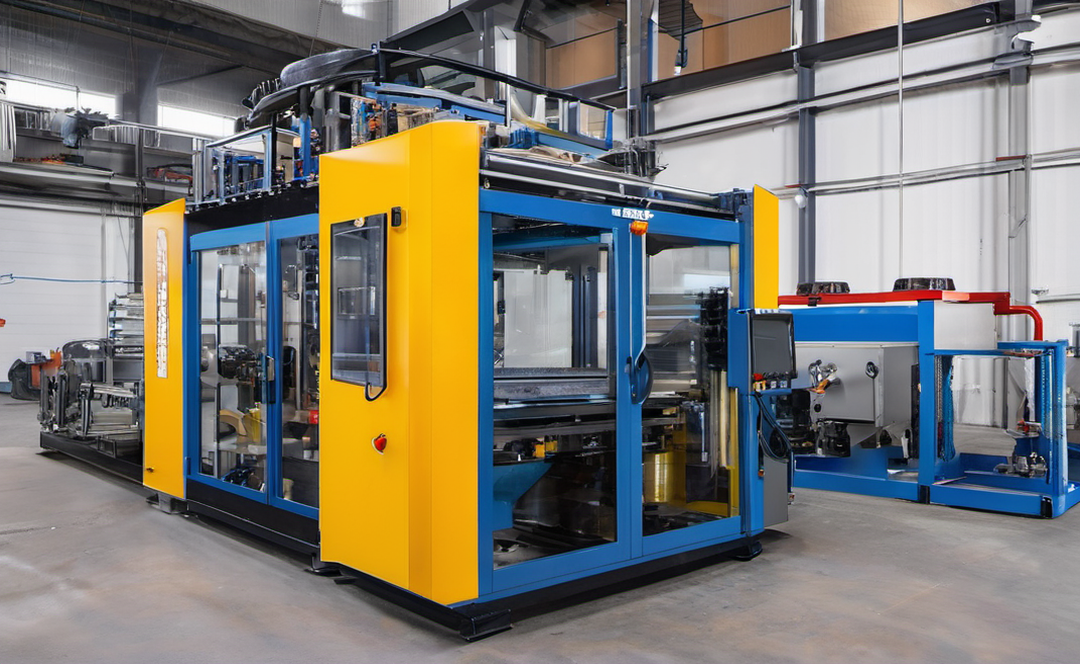
Many buyers search plastic bag making machine price and notice that used machines can be dramatically cheaper than new ones. But “cheap” often hides cost and risk: higher maintenance, missing spare parts, outdated control systems, and unstable quality—especially when you need stable production for demanding customers.
This guide compares new vs used machines and explains how to avoid common traps. It also aligns with frequent searches:
- plastic bag making machine price list
- plastic bag making machine for sale
- plastic bag machine for sale
Primary keyword: plastic bag making machine price
Related keywords: plastic bag making machine price list, plastic bag making machine for sale, plastic bag machine for sale
1) The real cost difference: CAPEX vs OPEX
Used machines reduce upfront cost (CAPEX), but often increase operating cost (OPEX) through:
- more downtime
- higher scrap rate
- higher maintenance labor
- harder-to-find spare parts
- lower energy efficiency (older drives/heating)
Your decision should be based on cost per good bag, not purchase price alone.
2) Hidden risks of used bag making machines
Common issues include:
- worn sealing jaws (weak seals, inconsistent quality)
- backlash and feeding drift (length variation)
- outdated PLC/HMI (hard to service, no backups)
- missing drawings and wiring modifications
- lack of safety guarding to current standards
- discontinued sensors/servo drives
These issues can turn a “low price” into months of troubleshooting.
3) Spare parts and support: the biggest decision factor
Before buying used, confirm:
- spare parts availability (knife, heaters, sensors, drives)
- electrical brand and model (still supported?)
- manuals, drawings, and parameter backups
- whether the seller can provide test run and performance data
If spare parts are unavailable, downtime risk becomes unacceptable for most commercial factories.
4) When buying used can make sense
Used equipment may be reasonable if:
- you run non-critical products with loose tolerance
- you have strong in-house maintenance capability
- you can inspect the machine under power (test run)
- you have access to parts or can retrofit controls
- your goal is short-term capacity while planning a future upgrade
5) A buyer’s checklist for used machine inspection
- seal strength stability at target speed
- feeding length tolerance and encoder stability
- condition of bearings/rollers and vibration level
- heater performance and temperature drift
- electrical cabinet condition and wiring quality
- safety systems: E-stop, guards, interlocks
- availability of documentation and spare parts list