
 EN
EN
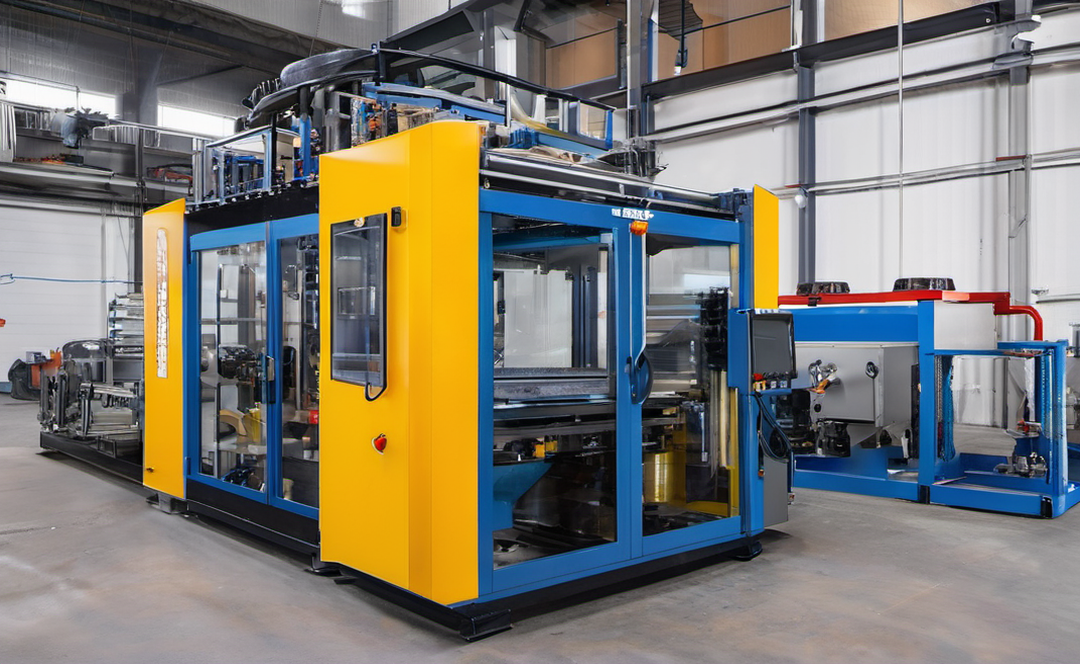
Post-consumer recycled plastic (PCR) is becoming a mainstream requirement for packaging and garbage bags. Brands and retailers want real circular-economy progress, while governments introduce recycled-content targets. For manufacturers, this creates both opportunity and risk: PCR can reduce virgin resin use, but it can also increase scrap if your process window is not adapted.
This deep guide explains how to run a trash bag making machine on PCR-rich films—covering sealing stability, roll handling, contamination management, and quality validation. It also aligns with common search terms such as garbage bag making machine, bin bag making machine, garbage bag machine price, and garbage bag manufacturing machine price.
Primary keyword: trash bag making machine
Related keywords: garbage bag making machine, bin bag making machine, garbage bag machine price, garbage bag manufacturing machine price
1) Why PCR changes the rules for garbage bag production
PCR is not a single “material.” It is a variable stream influenced by:
- feedstock mix (household vs industrial waste)
- sorting efficiency and contamination level
- melt flow distribution (MFI variability)
- odor and volatile compounds
- additive package differences
Compared with virgin PE, PCR blends often show:
- narrower sealing window
- more gel/black specks risk
- more COF variation (feeding inconsistency)
- higher odor sensitivity for consumer-facing bags
- strength variability across rolls if the upstream film process is not stable
To succeed, you must treat PCR production as a controlled system: materials + extrusion + converting + validation.
2) Start with the end product: what “good” PCR trash bags must deliver
A sellable PCR garbage bag must meet:
- consistent bag length and roll count
- reliable perforation tear behavior
- seal strength and leak resistance (for wet waste)
- acceptable odor and appearance (market dependent)
- load performance (puncture and tear resistance)
This means your garbage bag making machine needs stable:
- sealing temperature/pressure/time
- web tension and winding torque profile
- perforation consistency
- static and scrap handling to reduce jams
3) Sealing with PCR films: temperature–pressure balance matters more than heat
When operators struggle with weak seals, the common reaction is “increase temperature.” With PCR films, that often causes:
- burn-through at thin spots
- seal shrink distortion
- stronger odor release near seal zones
- increased blocking (bags sticking)
Instead, control the full sealing equation:
Temperature (true seal face temperature)
PCR blends may include different sealant behavior due to additives and varying polyethylene fractions. Verify real jaw temperature, not only the controller setpoint.
Dwell time (effective time at speed)
If you push speed without increasing effective dwell, seals weaken. Options include improving jaw heat transfer and tuning machine timing—rather than overheating.
Pressure uniformity
Channel leaks often come from pressure imbalance. Jaw flatness and actuator stability are critical, especially when film thickness varies more with PCR content.
Practical tip: build a “PCR sealing recipe library” by film thickness and PCR percentage (e.g., 30%, 50%, 70%). Parameter locking reduces shift-to-shift drift.
4) Web handling and winding: PCR film variability amplifies tension problems
PCR films can show more friction and thickness variation, which can destabilize:
- feeding accuracy
- roll hardness consistency
- telescoping control
- perforation consistency
Key machine controls that reduce downtime:
- stable unwind brake control and dancer tuning
- consistent nip roller pressure and clean roller surfaces
- optimized winding taper tension (start–build–finish profile)
- anti-static devices and proper grounding
If your rolls telescope or collapse, customers complain about dispensing even if the bag itself is strong. Roll quality is part of product quality.
5) Odor and contamination: what a bag factory can control (and what it cannot)
PCR odor is influenced by feedstock quality, but bag factories can still reduce complaints through:
- selecting suppliers with consistent washing and deodorizing processes
- controlling regrind policy (regrind can concentrate odor/volatiles)
- keeping sealing temperatures within the minimum effective window
- managing storage (heat can increase odor emission)
- using odor-control masterbatches where legally and commercially appropriate
Contamination-related converting issues:
- gels and black specks can cause pinholes or weak points
- uneven COF causes length drift
- dust increases scrap jams and sensor misreads
A robust SOP should include:
- film incoming inspection (visual defects + COF check)
- seal strength sampling
- perforation and roll dispensing checks
6) Perforation stability: reliable tear-off in PCR rolls
PCR films may tear differently. If perforation is too deep, bags separate early; too shallow, consumers struggle.
Optimize:
- perforation blade sharpness and anvil alignment
- perforation pressure and timing
- film tension at perforation station
- scheduled blade replacement intervals (based on cycles, not only “feel”)
7) Quality validation for PCR trash bags
To prove PCR performance, define tests that match customer reality:
- seal strength (peel test or burst/pressure test depending on bag type)
- drop test and load test
- puncture resistance (especially for kitchen waste)
- tear propagation behavior at perforation
- roll dispensing test (telescoping risk)
Track results by film batch. PCR variability makes traceability valuable for root-cause resolution.
8) How PCR affects garbage bag machine price and investment decisions
Buyers comparing garbage bag machine price should consider that PCR-ready output often requires:
- better temperature and pressure control stability
- stronger tension control and winding modules
- better scrap handling and anti-static measures
- higher-quality sensors to reduce micro-stops
A cheaper machine can run virgin film but struggle on PCR, causing higher scrap and lower OEE—making total cost per good roll higher.