
 EN
EN
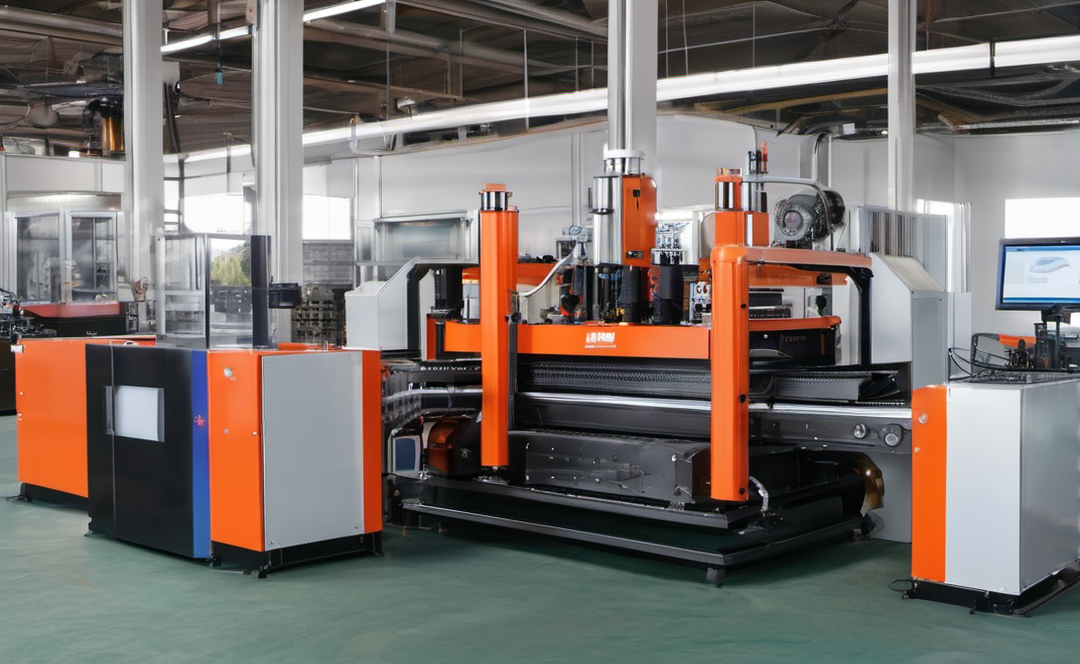
Water pouches are considered food-contact packaging in many markets. Hygiene is not optional: poor sanitation can create real health risk, recalls, and brand damage. That is why a water pouch making machine must be designed as a hygienic system—especially when it is integrated with filling lines.
This deep guide explains food-grade hygienic requirements for pouch production, focusing on UV sterilization, CIP (clean-in-place) principles, stainless-steel structure, and contamination control. It also aligns with common searches: pouch manufacturing machine, pouch bag making machine, pouch forming machine, and water pouch making machine.
Primary keyword: water pouch making machine
Related keywords: pouch manufacturing machine, pouch bag making machine, pouch forming machine, water pouch making machine
1) Why water pouches demand stricter hygiene than many other pouches
Water pouches have:
- direct consumption expectation
- high sensitivity to micro leakage and contamination
- often high-volume distribution (risk multiplies quickly)
Key hygiene risks include:
- contaminated film inner surface during handling
- microbial growth in humid environments
- contamination from dust, lubricants, or operator contact
- sealing defects that allow leakage and contamination
Therefore the machine should support hygienic production rather than relying only on “operator cleanliness.”
2) Hygienic design principles for pouch machines (practical checklist)
A hygienic pouch machine should have:
- smooth surfaces and easy-to-clean zones
- minimized crevices where residues accumulate
- controlled lubrication points to prevent oil contamination
- clear separation between “product-contact risk areas” and utility components
- effective drainage and access for cleaning
Even if the pouch machine does not handle liquid itself, the inner film area must be protected from contamination.
3) Stainless steel structure: where it matters most
Not all parts need stainless steel, but critical zones often should:
- film path guides near pouch forming and sealing
- areas exposed to frequent cleaning and moisture
- frames close to filling and sanitation modules
Common stainless grades used in hygienic environments vary by project, but the key is:
- corrosion resistance
- cleanability
- stable surface finish
Also evaluate fasteners and brackets—mixed materials can become corrosion points.
4) UV sterilization integration: what it can and cannot do
UV systems are often used to reduce surface microbial load. In pouch packaging, UV can be applied to:
- film surfaces before forming
- certain components in the forming path
Important points:
- UV effectiveness depends on exposure time, distance, and lamp condition
- UV does not clean physical dirt; it reduces microbial load on exposed surfaces
- shadows and wrinkles reduce UV effectiveness
Best practices:
- install UV where the film surface is flat and controlled
- define lamp maintenance schedule (output decreases over time)
- combine UV with good cleaning SOPs, not as a replacement
5) CIP concepts: when and how they apply
CIP (Clean-In-Place) is typically associated with liquid handling (tanks, pipes). In water pouch projects, CIP is most relevant for:
- the filling system and product-contact circuits
- any liquid-contact modules integrated into the line
For the pouch forming machine itself, CIP logic is more about:
- cleaning-ready design
- quick access and safe cleaning routes
- reducing contamination traps
If your project includes forming + filling, evaluate CIP compatibility early—retrofits are expensive.
6) Sealing integrity: hygiene also depends on leak-free pouches
Even if the process is clean, leaks destroy hygiene. Seal quality depends on:
- temperature stability
- pressure uniformity
- dwell time at speed
- cooling/hold time to stabilize seals
- clean jaw surfaces (no contamination)
For water pouches, define routine testing:
- seal strength sampling
- leak test routines (pressure/weight hold)
- checks after roll change and speed changes
7) Documentation and operational SOPs: hygiene is a system
To protect brand safety, define:
- cleaning schedule and records
- approved cleaning chemicals
- operator hygiene rules and glove policies
- contamination incident response procedure
- traceability: film roll batch and production lot coding
This is essential for audits and customer confidence.