
 EN
EN
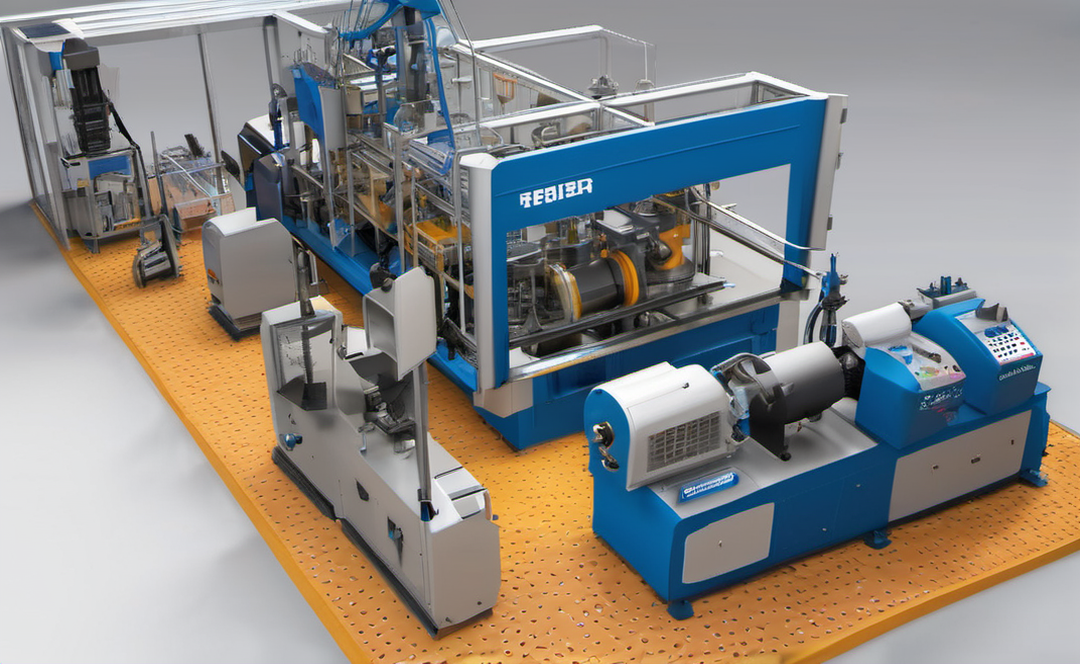
Spunbond non woven production is a highly engineered process. Quality depends on the balance of polymer extrusion stability, airflow dynamics, filament attenuation, and thermal bonding. For medical and industrial applications, small process drift can cause large differences in GSM uniformity, tensile strength, and fabric feel.
This deep technical article explains the process from polymer to finished fabric and highlights the key control points that separate commodity production from high-quality output. It is relevant for anyone researching:
- non woven cloth making machine
- non woven making machine
-
non woven manufacturing machine
and downstream considerations such as non woven bag making machine price and non woven bag manufacturing machine price.
Primary keyword: non woven cloth making machine
Related keywords: non woven making machine, non woven manufacturing machine, non woven bag making machine price, non woven bag manufacturing machine price
1) What is spunbond (SB) non woven and why it’s hard to stabilize
In spunbond, polymer is melted and extruded through spinnerets to form filaments. Filaments are stretched (attenuated) by air, then laid onto a forming belt and thermally bonded.
Quality targets often include:
- GSM uniformity
- tensile strength (MD/CD)
- elongation and tear resistance
- soft hand feel (for hygiene products)
- low defect level (holes, thick spots, streaks)
Challenges:
- airflow stability
- temperature distribution
- polymer melt consistency
- bonding uniformity
2) Polymer extrusion and filtration: the beginning of fabric consistency
Stable fabric starts with stable melt:
- consistent feeding and melt temperature
- effective filtration to prevent spinneret blockage
- pressure stability to prevent filament diameter variation
If melt pressure surges:
- filament diameter fluctuates
- web uniformity degrades
- bonding becomes inconsistent
3) Air attenuation and filament drawing: airflow is a “process motor”
Airflow controls:
- filament fineness
- filament speed and stability
- web laydown distribution
If airflow is unbalanced:
- fabric shows stripes or thick zones
- tensile properties become inconsistent
- defects like fly and broken filaments increase
Best practices:
- stabilize blower performance and air temperature
- keep air channels clean
- monitor key differential pressure points
4) Web forming and laydown: controlling uniformity across width
Laydown quality depends on:
- filament dispersion
- belt speed and vacuum
- electrostatic behavior (depending on setup)
- edge control to prevent thin edges or thick edges
Uniform laydown reduces:
- weak zones
- pinholes
- GSM variation that affects bag making and medical use
5) Thermal bonding (calender): the final determinant of strength and feel
Thermal calender bonding is a critical station:
- bonding temperature and pressure determine strength
- pattern roll design influences softness and tensile balance
- excessive bonding creates harsh fabric; insufficient bonding creates weak fabric
This is the point where heat and pressure must be balanced carefully—especially for medical-grade material consistency.