
 EN
EN
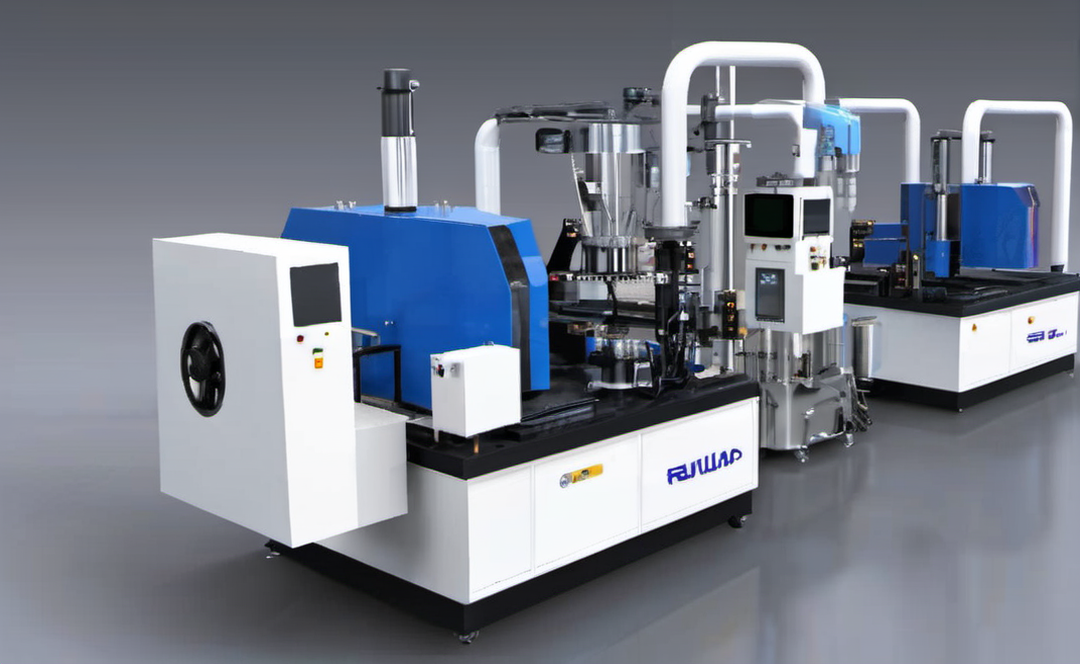
In PP woven sack production, profit often disappears in “small losses”: cutting inaccuracies that create off-size panels, misaligned laminations that generate rejects, and scrap that is not recovered efficiently. The best factories apply lean manufacturing principles to reduce material waste—because resin and fabric cost dominate long-term production cost.
This deep article explains how to improve profitability using lean thinking on a pp woven bag machine system. We focus on two high-impact levers: automatic cutting accuracy and scrap recovery systems. You’ll also learn how these improvements relate to procurement decisions when comparing a pp woven bag making machine, pp woven bag manufacturing machine, and price searches like pp bag machine price and pp bag manufacturing machine price.
Primary keyword: pp woven bag machine
Related keywords: pp woven bag making machine, pp woven bag manufacturing machine, pp bag machine price, pp bag manufacturing machine price
1) Why fabric waste is the biggest silent cost in woven sack production
Woven bag manufacturing involves multiple stages:
- tape extrusion
- weaving
- cutting/printing/lamination
- sewing/valve forming
- packing and palletizing
Waste can occur at each stage. The problem is that many factories measure output in “bags/day,” but fail to measure:
- kg scrap per shift
- scrap by defect type
- lost time due to rework and jams
- resin equivalent cost of off-spec woven fabric
A lean program begins by making losses visible.
2) Cutting accuracy: how small errors become big waste
Cutting errors create:
- length variation → sewing misalignment
- incorrect bottom folding → seam failure risk
- inconsistent stacking → packing issues and customer complaints
Root causes often include:
- roller slip and unstable tension
- encoder contamination or poor mounting
- blade wear and incorrect pressure
- unstable heat-cut conditions (if using hot cutting)
Lean controls:
- standardize cut-length calibration schedule
- use traction-controlled feeding and stable nip pressure
- define blade replacement intervals based on cycles, not “feel”
- implement first-piece inspection after roll change and speed change
3) Scrap recovery: turning waste into usable value
Scrap recovery reduces resin cost but must be controlled to avoid quality loss.
Common recovery areas:
- edge trims
- cutting scrap
- weaving defects and off-spec rolls
- lamination and printing setup waste
Key practices:
- separate scrap by type (clean vs contaminated)
- define maximum regrind ratio per product grade
- maintain consistent feeding of recovered material (avoid surges)
- track quality metrics when scrap ratio changes (strength, appearance)
A good scrap recovery system requires not just a grinder, but:
- collection and conveying design
- dust control
- consistent batch management
4) Lean manufacturing methods that work in woven bag plants
Practical lean tools:
- Pareto analysis: top 3 defect types by cost
- SMED: reduce changeover time for cutting/printing setups
- 5S: reduce jams and misfeeds from debris buildup
- Preventive maintenance: stabilize cutting and sewing stations
- Standard work: operator SOPs for calibration and quality checks
The goal is to reduce:
- rework loops
- micro-stops
- “hidden scrap” caused by unstable process windows
5) How lean improvements affect machine selection and price
When evaluating pp bag machine price or pp bag manufacturing machine price, look beyond speed. Ask:
- what is the cut-length tolerance at stable speed?
- what scrap handling and dust control is included?
- does the system support quick calibration and fast blade change?
- how stable is the feeding under real woven fabric variation?
A machine with better cutting stability can produce more “good bags per hour” even if its max speed is similar to cheaper machines.