
 EN
EN
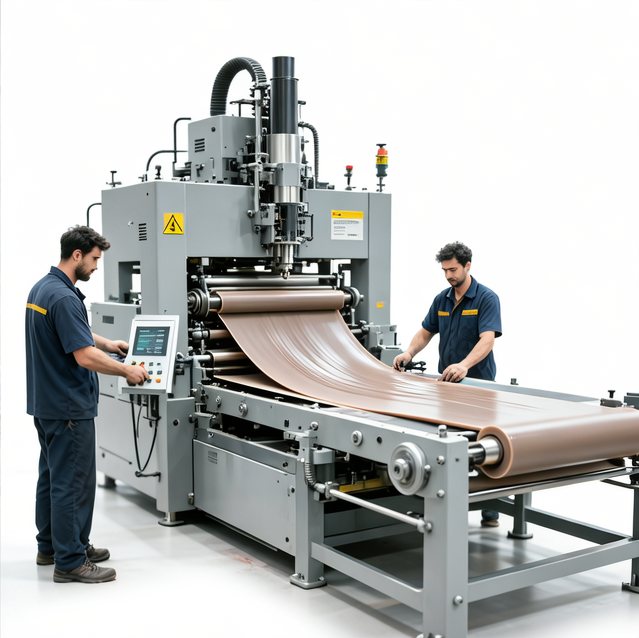
Downtime on a plastic carry bag manufacturing machine often comes from a small number of recurring problems: punching cut-off failures, scrap blocking, and timing mismatch between feeding, punching, and cutting. This article is written from a maintenance and service perspective to help you quickly diagnose issues and restore stable production.
It applies to many systems sold as a plastic carry bag making machine, carry bag cutting machine, or “banana handle” carry bag machine.
1. Symptom: punching does not cut through cleanly
Common causes
- worn punching die / dull cutting edge
- incorrect punch clearance or misalignment
- insufficient pressure (hydraulic/pneumatic)
- film thickness changed but parameters not updated
Fix steps
- Inspect die edge under magnification; regrind or replace if rounded
- Check punch-to-anvil alignment and clearance; adjust to spec
- Verify pressure stability and check for air leaks or hydraulic pressure drop
- Reconfirm punching dwell time and feed stop timing
2. Symptom: frequent scrap jams around the punch area
Common causes
- scrap removal suction too weak
- static attraction (scrap sticks to tooling)
- scrap path has sharp edges or narrow turns
- scrap bin overfilled or filter blocked
Fix steps
- clean and check suction fan/filter performance
- add/repair anti-static devices and grounding
- smooth the scrap channel and remove snag points
- schedule scrap bin checks in operator SOP
3. Symptom: punching position drifts (hole not centered)
Common causes
- feeding roller slip
- unstable tension from unwinder
- worn encoder or sensor contamination
- servo parameter drift after maintenance
Fix steps
- check roller pressure and surface condition
- confirm tension settings and brake response
- clean sensors; verify encoder mounting
- recalibrate servo feeding length and registration
4. Symptom: cutting unit and punching unit out of sync
This is often described as “timing mismatch” and can become worse at higher speed.
Common causes
- pneumatic cylinder response delay
- hydraulic valve wear or pressure fluctuation
- mechanical backlash in transmission
- controller parameter mismatch after speed changes
Fix steps
- test cylinder speed and replace worn seals/valves
- verify hydraulic oil condition and valve response
- inspect couplings, belts, gears for backlash
- re-tune timing parameters at target speed (not only low-speed)
5. Preventive maintenance checklist (reduces repeat failures)
Daily:
- clean punch area and scrap channels
- verify pressure gauges within normal range
- quick check: unusual noise or vibration
Weekly:
- inspect die sharpness and alignment
- check suction system and filters
- test sensor stability and cable wear points
Monthly:
- full timing verification at production speed
- inspect pneumatic/hydraulic seals
- check grounding and anti-static system performance