
 EN
EN
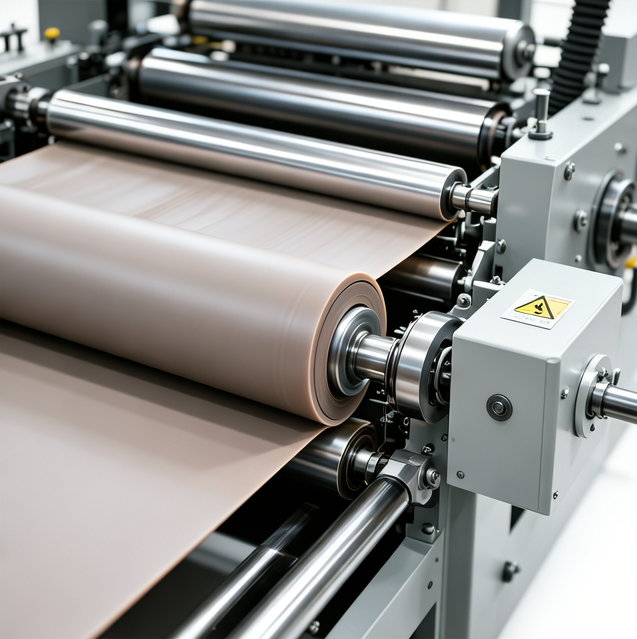
The market for premium non woven packaging is moving toward 3D box bags (often called “box bottom” or “box-type” bags). These bags stand well on shelves and carry heavier loads, making them popular for retail and brand promotion.
This article introduces the “one-step” forming concept of a non woven box bag making machine, compares ultrasonic non woven bag making machine technology with traditional sewing workflows, and explains why factories choose fully automatic non woven bag making machine solutions to improve speed and reduce labor.
1. Why 3D box bags are different
A box bag requires:
- accurate folding and gusset forming
- stable bottom shaping
- consistent edge bonding and trimming
- good dimensional repeatability for branding
Manual or semi-automatic production is possible, but labor cost and consistency become bottlenecks.
2. One-step automation: what it means in practice
A modern non woven box bag line aims to integrate:
- feeding and web alignment
- folding and forming
- ultrasonic bonding
- cutting and stacking
in one continuous process.
The advantage is not only higher speed, but also:
- fewer handling steps (less deformation and contamination)
- repeatable dimensions
- better visual consistency
3. Ultrasonic bonding vs stitching for box bags
Ultrasonic bonding advantages
- cleaner seam appearance
- fast bonding without thread consumables
- easier to standardize quality across shifts
- supports emboss patterns for premium look
Stitching advantages
- flexible for some heavy structures
- familiar maintenance approach
For many box bag styles, ultrasonic bonding becomes the preferred method when:
- consistent aesthetics are required
- production needs to scale
- labor reduction is a priority
4. Semi automatic vs fully automatic: where the real difference is
A semi automatic non woven bag machine may require manual steps such as:
- part feeding
- handle attachment
- forming alignment corrections
- manual stacking
A fully automatic non woven bag making machine reduces these actions by:
- automatic feeding control
- synchronized bonding and cutting
- automated stacking/counting
This improves OEE (overall equipment effectiveness) even if the nominal speed difference seems small on paper.
5. Key buying checklist
When comparing:
- non woven box bag making machine
- ultrasonic non woven bag making machine
-
fully automatic non woven bag making machine
confirm: - bag size range and changeover time
- ultrasonic generator power and stability
- forming accuracy (gusset depth tolerance)
- stacking consistency and counting accuracy
- safety guarding and operator access design