
 EN
EN
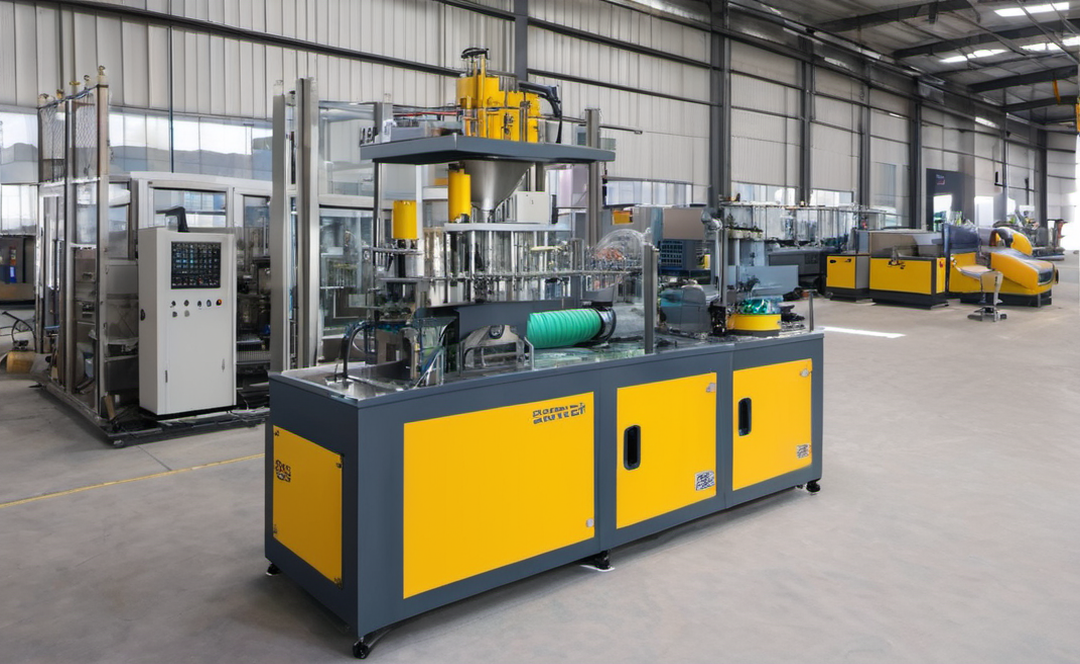
Medical packaging is regulated, risk-based, and documentation-driven. If you plan to install a medical pouch making machine in an ISO Class 8 cleanroom, you must think beyond output and pouch appearance. You need a validation framework that proves the process consistently produces pouches that meet sterile barrier and safety requirements—supported by traceable records.
This article provides a practical validation roadmap for IQ/OQ/PQ in an ISO Class 8 environment. It is written for QA/RA teams, process engineers, and procurement managers who need to evaluate suppliers and prepare a validation package. It also notes how the approach differs when equipment is related to products like blood bags (often linked in searches such as blood bag manufacturing machine) or specialized formats (keywords such as valve bag making machine, though valve bags are less common in medical sterile barrier contexts).
1) Cleanroom Context: What ISO Class 8 Means for Pouch Production
ISO Class 8 controls airborne particles to reduce contamination risk. For pouch making, the major concerns are:
- particle generation from moving components
- lubricant control and leakage prevention
- cleanability and access for sanitation
- material flow that avoids contamination
Machine design must support the cleanroom, not fight it.
2) Validation Overview: IQ / OQ / PQ
IQ (Installation Qualification)
Goal: confirm the machine is installed correctly and matches specifications.
Typical IQ deliverables:
- equipment manuals, drawings, and bill of materials
- material certificates for product-contact parts
- calibration certificates (temperature, pressure, sensors)
- utility requirements verified (power, air, vacuum)
- cleanroom installation checklist (gowning, wiping SOPs, access control)
OQ (Operational Qualification)
Goal: define and confirm the process window.
For a medical pouch making process, OQ usually includes:
- sealing temperature range (or ultrasonic amplitude range)
- dwell time limits
- pressure settings and tolerances
- speed limits that still meet seal integrity targets
- alarm and interlock verification
Testing often includes:
- seal strength (peel) mapping across width
- leak testing (bubble leak/dye penetration where applicable)
- visual criteria (channels, wrinkles, contamination)
- worst-case challenge runs
PQ (Performance Qualification)
Goal: prove stable performance under normal production conditions.
PQ should include:
- multiple shifts and operators
- normal changeovers and restarts
- representative material lots
- planned downtime/cleaning cycles
- statistical evidence that quality targets are met
3) Risk-Based Thinking (ISO 13485 Style)
Even if your focus is ISO Class 8, validation should follow risk-based principles:
- identify failure modes (seal channel leaks, particulate contamination, misregistration)
- define detection controls (vision inspection, seal monitoring, sampling)
- implement preventive maintenance and calibration schedule
4) Machine Features That Simplify Validation
When selecting a pouch manufacturing machine / pouch forming machine, prioritize:
- closed-loop temperature control and calibration-friendly sensors
- pressure feedback and monitoring
- recipe management and access control (audit trails)
- clear alarm limits and data export
- easy-to-clean design and minimal particle generation
These reduce validation time and long-term compliance burden.
5) Documentation Package: What You Should Demand From Suppliers
Request:
- FAT/SAT protocols and reports
- electrical and pneumatic schematics
- spare parts list and recommended PM schedule
- cleaning instructions suitable for cleanroom use
- software version control and backups (if PLC/HMI involved)
A supplier who provides strong documentation reduces your internal QA workload.
6) Common Validation Pitfalls (And How to Avoid Them)
- validating at low speed only (then failing at production speed)
- not challenging worst-case film lots or thickness variation
- missing restart/stop-start conditions that cause most defects
- weak calibration and re-calibration planning
- not defining acceptance criteria clearly (peel strength, leak rate, visual defects)