
 EN
EN
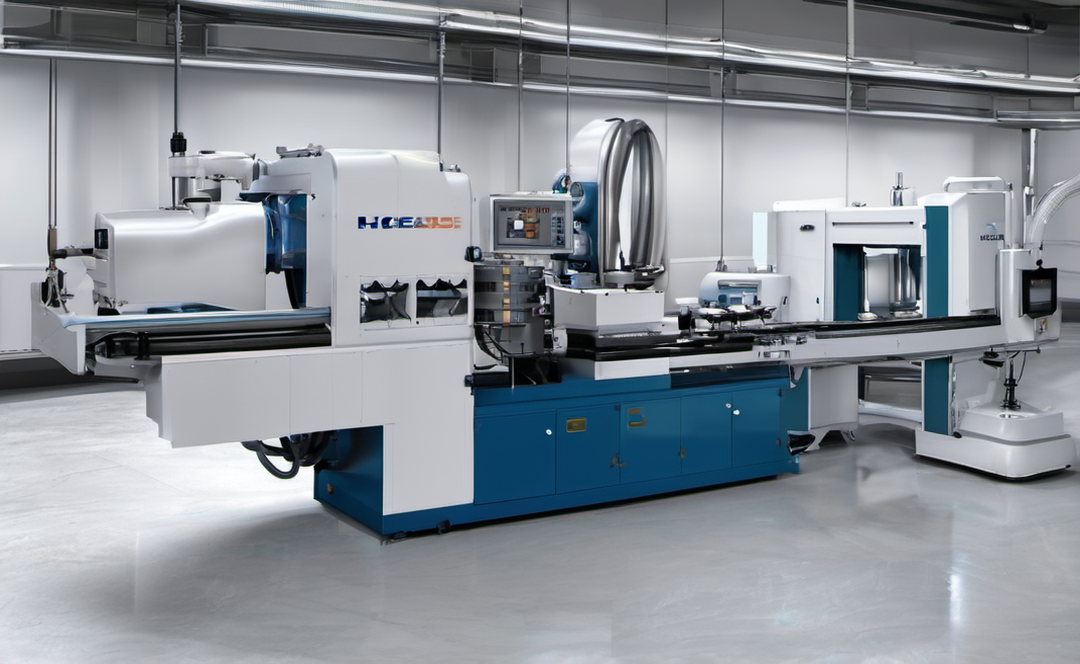
E-commerce logistics has made courier bags a critical packaging category. Customers expect courier bags to be:
- tamper-evident
- leak-resistant (for weather and handling)
- strong at the side seal
- reliable in automated sorting and transport
A courier bag making machine must therefore be engineered for anti-theft sealing reliability, not just speed.
This article explains quality requirements for courier bags, focusing on:
- hot-melt adhesive coating and sealing system design
- side seal strength testing standards and practical sampling
- how to reduce seal failures that create security risk
1) What Makes Courier Bags Different From Regular Poly Bags?
Courier bags require:
- permanent closure (tamper evidence)
- consistent adhesive coating thickness
- strong side seals and bottom seals
- resistance to puncture and tear during transport
Small sealing defects become security incidents.
2) Hot-Melt Coating + Sealing: Critical Control Points
Key variables:
- coating temperature stability
- coating width and position accuracy
- pressure and dwell time at sealing
- contamination control (dust reduces adhesion)
Common defects:
- “easy peel” closure (too little coating / low temperature)
- adhesive stringing and contamination
- uneven seal due to pressure distribution issues
3) Side Seal Strength Testing (Practical Factory Method)
For routine control:
- sample bags per roll / per hour
- perform peel or tensile pull test at set rate
- record failure mode (adhesive failure vs film tear)
Target is not only “high strength,” but consistent strength with predictable failure mode.
4) Procurement Checklist
When comparing dhl bag making machine or general courier bag making machine offers:
- hot-melt system brand/spec and temperature control method
- coating uniformity tolerance
- side seal strength data at rated speed
- reject handling and inspection options