
 EN
EN
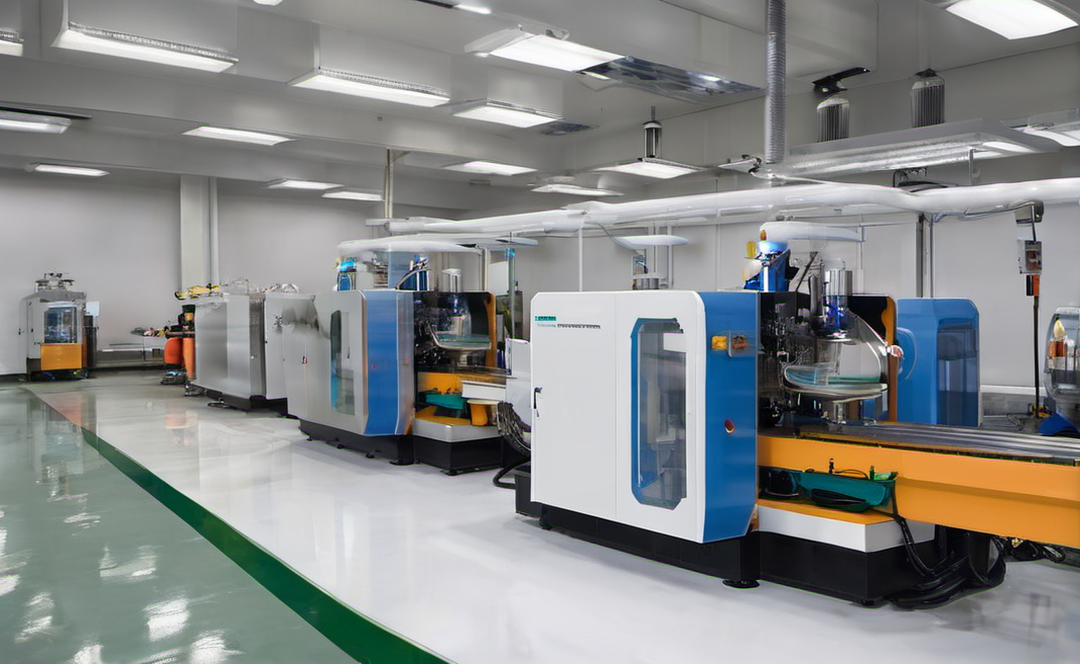
Manual handle attachment is a labor-heavy step that limits scale in many bag factories. Whether you produce plastic boutique bags or non-woven promotional bags, manual handle pasting creates common problems:
- inconsistent handle position
- weak bonding and returns
- high labor cost and training burden
- unstable output due to fatigue and shift variation
That’s why many plants invest in an automatic loop handle making machine—especially models with inline handle pasting modules and ultrasonic bonding options.
This article explains how a handle making machine works, how inline pasting replaces manual operations, and what to evaluate to ensure ultrasonic welding strength and production synchronization.
1) What Is a Loop Handle Machine?
A loop handle machine forms handles (often from plastic strips) and attaches them to bags using:
- hot-melt adhesive pasting, or
- ultrasonic welding (depending on material and design)
Systems can be:
- standalone handle making + separate attachment
- inline automatic handle forming + attaching (preferred for labor savings)
2) Inline Pasting Module: The Key to Labor Reduction
Inline pasting typically includes:
- handle strip feeding
- length cutting and forming
- glue application (or ultrasonic station)
- position registration and pressing
- cooling/setting control
Why it replaces manual work
- consistent cycle time
- consistent handle placement
- reduced rework and rejects
- fewer operators per line
3) Ultrasonic Welding: Strength and Consistency Factors
If ultrasonic welding is used, strength depends on:
- amplitude stability
- pressure and dwell time
- tooling condition (horn/anvil wear)
- material thickness variation
Practical acceptance tests
- peel/tear test on handle joint
- repeated batch sampling across shifts
- aging test for bonding stability (if required by your market)
4) Synchronization: How to Prevent Bottlenecks
An automatic system must match:
- bag forming speed
- handle feeding cycle
- attachment timing and stack discharge
If synchronization is poor, you’ll see:
- jams at handle station
- missed attachments
- unstable stacking
Servo control + recipe settings reduce startup waste and stabilize changeovers.