
 EN
EN
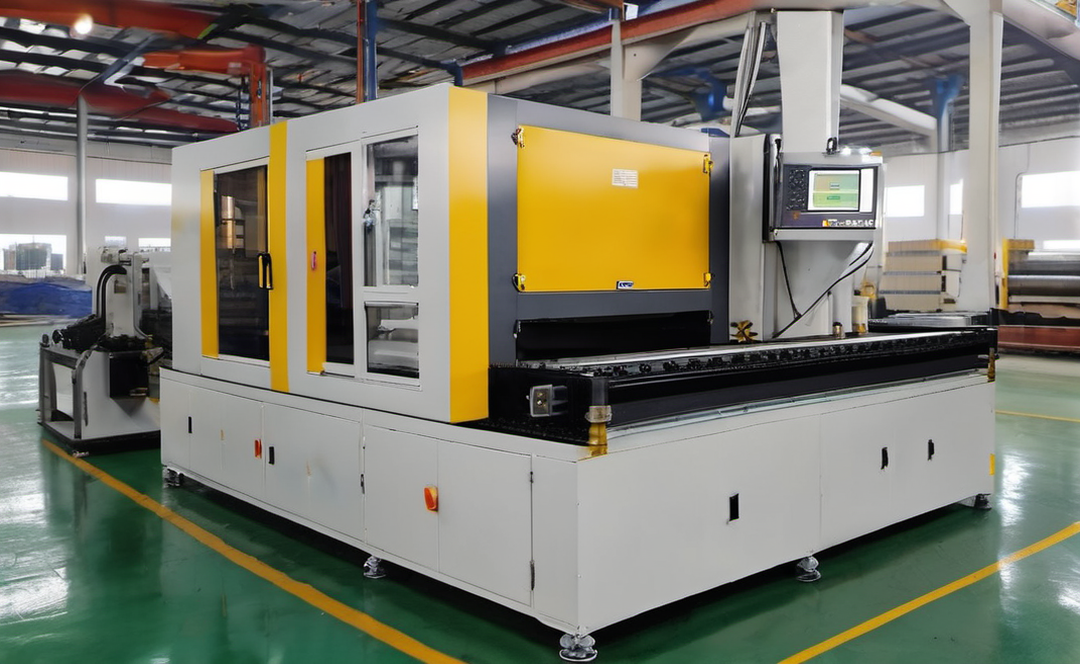
High scrap on a small plastic bag making machine usually comes from one place: sealing quality. Bags that look fine on the line can fail during packing or customer use because the seam is weak, the edge is burnt, or the seal is “false” (appears sealed but opens easily).
From a senior processing engineer’s troubleshooting viewpoint, most sealing problems are not “random.” They are caused by a repeatable imbalance in three variables:
- Dwell time (how long the seal bar contacts the film)
- Temperature stability (real surface temperature, not just setpoint)
- Pressure distribution (springs, cylinders, jaw parallelism)
This guide shows how to diagnose and repair two common defect categories—false seals and burnt edges—and how to adjust dwell time, temperature, and pressure springs to restore consistent seal strength. The same logic applies whether you run a small line for carry bags, a trash bag making machine, or a garbage bag making machine.
1) Identify the Defect Type First (Don’t Change Settings Blindly)
Before touching parameters, classify the defect:
A. False seal (cold/weak seal)
- Seal looks “closed,” but opens with light pull
- Seal line may appear dull or incomplete
- Often worse at higher speed or after start/stop
B. Burnt edge / scorched seal
- Film turns brown/white, brittle, or deformed at the seal
- Seal area may stick to Teflon tape
- Pinholes can appear near the edge
- Often gets worse when operators “increase temperature to fix weak seals”
C. Channel leak / wrinkled seal
- Seal is strong in some areas, weak in others
- Usually caused by wrinkles entering the seal jaw or uneven pressure
Different defects require different fixes. For example, burnt edges are not solved by adding pressure; false seals are not solved by lowering temperature.
2) The Sealing Triangle: Dwell Time × Temperature × Pressure
Think of sealing as an energy equation. You need enough heat energy delivered under pressure for sufficient time to fuse layers.
If you increase line speed without changing dwell time or heater response, the seal becomes weak. If you raise temperature too much to compensate, you burn edges.
Goal: Find the lowest temperature that achieves strength, then use dwell and pressure to stabilize.
3) Step-by-Step Diagnosis (Fast, Practical)
Use this order to avoid “over-correction”:
- Check actual seal bar temperature (not only setpoint)
- Check dwell time at your real speed
- Check pressure uniformity / spring condition
- Check film issues (thickness variation, slip additives, recycled content)
- Validate with a simple peel test and record results
4) Fix #1: Dwell Time Adjustment (Most Underused Lever)
On many small machines, dwell time is controlled by:
- cam timing / mechanical linkage
- PLC timing settings (if equipped)
- pneumatic jaw closing speed and hold time
Symptoms of insufficient dwell
- seals okay at low speed, fail at high speed
- weak seals right after acceleration
- variability across a roll
How to adjust
- Increase dwell time slightly and test peel strength
- If output must remain high, consider increasing heater power or improving jaw closing stability—but avoid jumping temperature first
Tip: If your machine uses pneumatic cylinders, confirm air pressure does not drop during high-frequency cycles. Pressure drop shortens effective dwell.
5) Fix #2: Temperature Stability (Real Temperature, Not Display Temperature)
False seals frequently occur when:
- heater cartridges are aging
- thermocouples are loose or mispositioned
- SSR/relays are unstable
- PID tuning causes oscillation (over/under shooting)
Checks
- Use a calibrated surface probe to map seal bar temperature across width
- Compare left vs right; uneven temperature creates uneven seal strength
- Inspect Teflon tape condition (damaged tape changes heat transfer)
Burnt edges warning
If you see burn marks, don’t just lower setpoint slightly—also check:
- whether dwell time is too long
- whether pressure is too high at edges
- whether jaw alignment concentrates pressure on one side
6) Fix #3: Pressure Springs and Jaw Parallelism (The “Hidden” Cause of Weak Seams)
Small machines often use springs or mechanical pressure systems. Over time:
- springs fatigue
- pads harden
- bolts loosen
- jaws become non-parallel
Symptoms
- one side of seal is strong, the other is weak
- seals vary across width
- operators constantly change settings but defects return
Maintenance actions
- Inspect spring length and elasticity; replace in sets
- Check jaw parallelism with feeler gauge
- Replace silicone pads if grooved/hardened
- Verify cylinder alignment and stroke consistency (if pneumatic)
7) A Simple Seal Strength Test for Daily Control
You don’t need a lab to control quality. Use a repeatable quick test:
- Cut a strip across the seal
- Pull by hand with consistent angle and speed (or small pull gauge)
- Record “pass/fail” and failure mode:
- film tears outside seal (good)
- seal peels cleanly (weak)
- burn or pinholes (overheating)
Track results by shift. This prevents “operator-by-operator quality.”
8) How This Links to Plastic Bag Making Machine Price
When buyers compare plastic bag making machine price or request a plastic bag making machine price list, sealing system quality is often under-specified. Ask:
- seal bar material and heating method
- temperature zone control and sensor placement
- pressure control mechanism (springs/cylinders) and adjustability
- access for maintenance and tape replacement
A lower-priced machine can become more expensive through scrap and complaints.