
 EN
EN
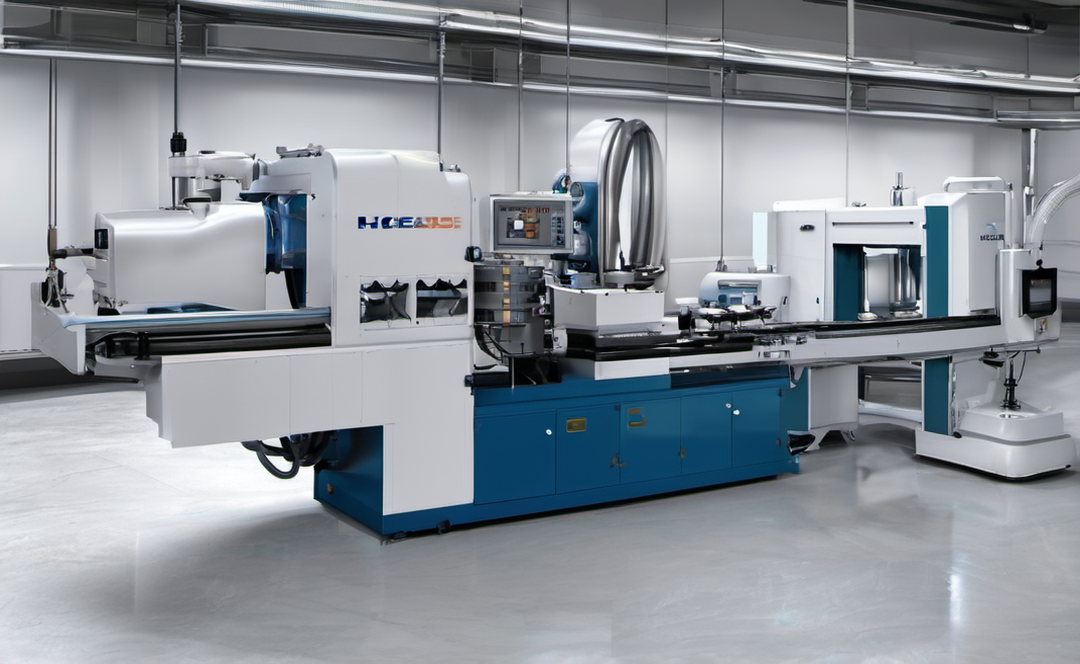
A common reason small bag factories struggle with scrap and unstable output is not the machine—it’s film mismatch. A small plastic bag making machine that runs LDPE well may perform poorly on HDPE or biodegradable film unless you adjust sealing strategy and web handling. Thin films amplify every weakness: static, slip, wrinkling, and narrow sealing windows.
This guide compares LDPE, HDPE, and common biodegradable films from a processing viewpoint, and explains what machine features or upgrades are usually needed—especially if you run very thin film or multi-layer structures.
1) LDPE vs HDPE: Why They Behave Differently
LDPE
- wider sealing window, easier to seal
- softer and more forgiving
- tends to stretch more under tension
HDPE
- narrower sealing window
- stiffer, more “crinkly”
- higher tendency for seal “false bonding” if temperature/pressure is not optimized
Practical outcome: HDPE usually requires better temperature stability and pressure control to prevent weak seams.
2) Biodegradable Films: The Sealing Window Is Often Narrower
Many biodegradable films (depending on blend) can be:
- more heat-sensitive
- more prone to sticking
- less tolerant of temperature fluctuations
What to confirm
- recommended sealing temperature range from film supplier
- whether the film needs lower pressure or shorter dwell
- anti-block and slip behavior (affects feeding stability)
If your orders include biodegradable carry bags, ask suppliers about real production references—not only “compatible” claims.
3) Thin Film Challenges (Where Small Machines Usually Struggle)
Thin film magnifies:
- static electricity → misfeeds, double layers, counting errors
- tension drift → wrinkles entering seal area
- temperature overshoot → burn-through and pinholes
Recommended upgrades
- anti-static bars or ionizing systems
- closed-loop tension control (dancer/load cell) if available
- better cooling for seal bars to prevent overheating during long runs
4) Multi-Layer Films: Why Sealing Becomes Less Predictable
Multi-layer films may include different sealant layers. If the sealant layer is thin, sealing depends heavily on:
- precise temperature control
- uniform pressure distribution
- consistent dwell time
Operator tip: When switching to multi-layer, start by reducing temperature and increasing dwell slightly—then tune for strength while avoiding burn marks.
5) How to Choose Machines When Your Product Mix Changes
If you run multiple film types, prioritize:
- stable temperature control (good sensors, solid-state relays)
- adjustable dwell time
- consistent pressure mechanism
- easy recipe settings for changeover
When comparing carry bag machine price, don’t judge only by speed; judge by stability across your thinnest film.