
 EN
EN
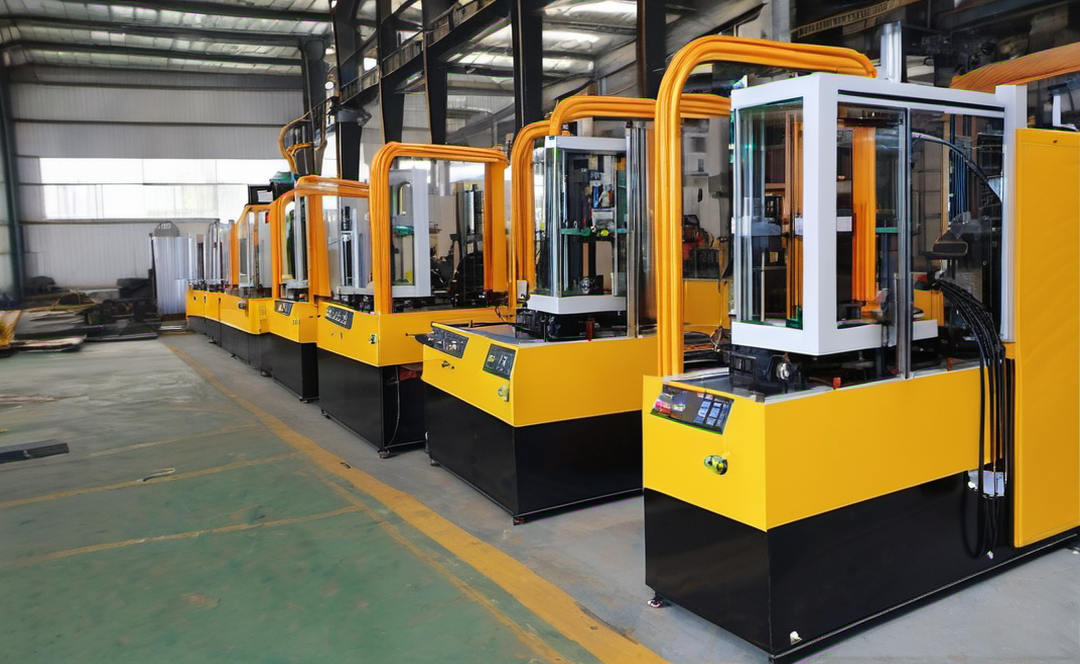
A plastic sheet extruder used for EPE foam sheet production must control not only melt flow, but also cell structure, density, and cushioning performance. For buyers researching EPE foam sheet extruder options, understanding the relationship between screw design, gas injection, die control, and cooling calibration is essential for producing consistent foam sheets with low scrap rates.
This deep guide explains the critical engineering factors that determine foam sheet quality and safe, stable production.
1) What is EPE foam sheet and why process control is difficult
EPE (Expanded Polyethylene) foam sheet is valued for:
- Cushioning and shock absorption
- Thermal insulation
- Lightweight protective packaging
But foam extrusion is sensitive because tiny changes in:
- melt temperature
- pressure stability
- gas dosing
- cooling rate
can produce large differences in cell size and density.
2) Material preparation and feeding stability
Stable output starts with stable input:
- Resin grade consistency
- Correct additive masterbatch ratios (nucleating agents, slip, anti-static if needed)
- Dryness control if additives absorb moisture
A fluctuating feed leads to pressure oscillation, which directly disturbs foam structure.
3) Screw design: the foundation of melt uniformity
In EPE foam sheet extrusion, screw design determines:
- plasticizing efficiency
- melt homogeneity
- pressure stability before die
Key design ideas:
- Proper compression ratio for PE grades
- Effective mixing section to disperse additives
- Stable metering zone for smooth pressure output
An unstable screw design can cause:
- uneven cell structure
- density variation across width
- surface defects and weak mechanical properties
4) Gas injection and cell structure control
Foaming requires controlled introduction of blowing agent (physical gas or chemical foaming system depending on configuration).
Critical controls include:
- Dosing precision (mass flow stability)
- Injection position (where melt is sufficiently plasticized)
- Mixing effectiveness after injection
- Pressure stability to prevent premature foaming in the barrel
Poor control can cause:
- large cells and weak sheet
- collapse and shrinkage
- “snake” instability at the die
5) Die design: controlling thickness and width stability
The die affects:
- melt distribution uniformity
- pressure drop consistency
- thickness profile
Key points to evaluate:
- Die lip precision and thermal uniformity
- Adjustability for thickness fine-tuning
- Heater zoning and temperature feedback stability
For wide foam sheets, profile control becomes a major differentiator between entry-level and high-end equipment.
6) Cooling and calibration: locking in the foam structure
Cooling is where cell structure “freezes.” If cooling is uneven:
- density varies across width
- sheet warps or curls
- surface becomes rough or glossy inconsistently
Important factors:
- Cooling roll temperature control
- Contact pressure balance
- Calibration section design for dimensional stability
- Controlled stretching/haul-off to prevent over-orientation
7) Density, cushioning, and rebound: how process choices affect properties
Cushion performance is influenced by:
- average cell size
- cell uniformity
- skin layer thickness
- density distribution
General tendencies:
- Smaller, more uniform cells → better cushioning consistency
- Excessive stretching → lower thickness stability and possible tear risk
- Overheating → cell coalescence and weak mechanical structure
8) Production safety: pressure, gas, and high-temperature risks
A foam line has additional safety concerns compared with standard sheet extrusion:
- Pressurized gas systems require leak checks and rated components
- Temperature and pressure interlocks must prevent unsafe startup
- Emergency stop and guarding must cover rotating equipment and haul-off rollers
- Proper ventilation may be needed depending on foaming agents
9) How to evaluate a plastic sheet extruder for EPE foam
When comparing models (often searched as epe foam extruder, epe foam sheet extruder, and plastic sheet extruder), ask suppliers:
- Output range (kg/h) and stable density range
- Screw design details and material compatibility
- Gas injection system brand/spec and control method
- Die width, thickness range, and profile control approach
- Cooling/calibration design and temperature control stability
- Safety features and documentation support
10) Troubleshooting quick reference (common defects)
- Large cells / weak sheet → gas instability, melt too hot, poor mixing
- Sheet collapse → pressure drop too fast, cooling insufficient
- Curling → uneven cooling or haul-off tension imbalance
- Thickness variation → die temp uneven, unstable feed, poor calibration pressure
11) Conclusion
A reliable plastic sheet extruder for EPE foam is a complete system: stable feeding, correct screw design, precise gas injection, balanced die heating, effective cooling/calibration, and strong safety controls. These factors determine not just output, but also density stability and cushioning performance.
If you provide your target sheet width/thickness, density range, and expected output, we can recommend an EPE foam sheet extrusion configuration and quote the matching line.
Table of Contents
- 1) What is EPE foam sheet and why process control is difficult
- 2) Material preparation and feeding stability
- 3) Screw design: the foundation of melt uniformity
- 4) Gas injection and cell structure control
- 5) Die design: controlling thickness and width stability
- 6) Cooling and calibration: locking in the foam structure
- 7) Density, cushioning, and rebound: how process choices affect properties
- 8) Production safety: pressure, gas, and high-temperature risks
- 9) How to evaluate a plastic sheet extruder for EPE foam
- 10) Troubleshooting quick reference (common defects)
- 11) Conclusion