
 EN
EN
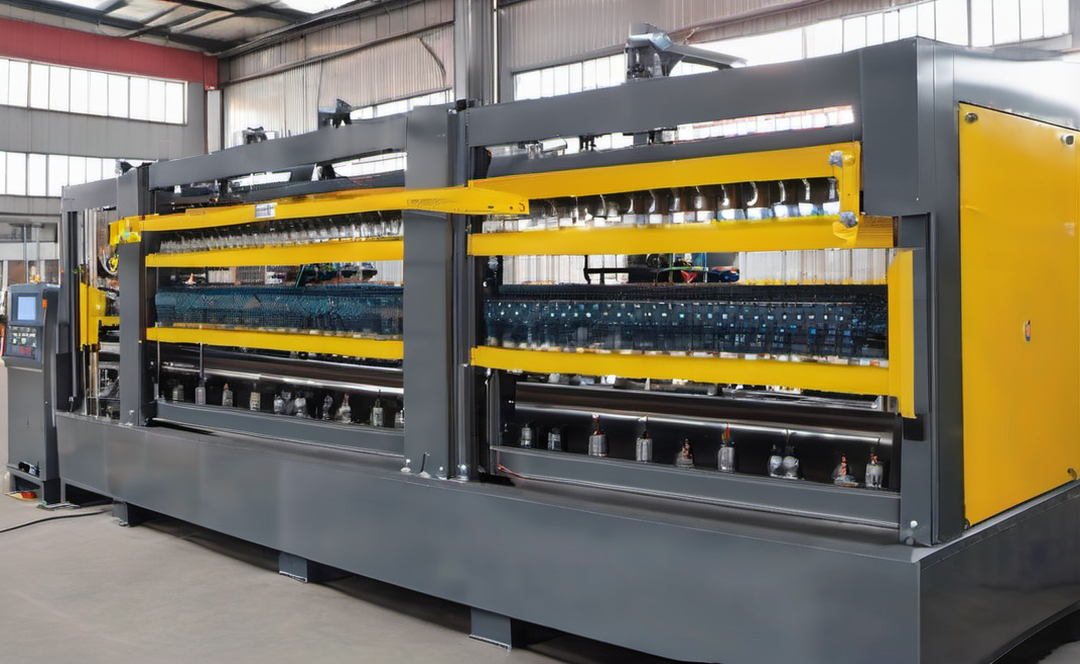
Leno mesh bags are widely used for onions, garlic, potatoes, and other produce because they are breathable, strong, and visually attractive on retail shelves. However, Leno mesh is also challenging to handle: it stretches, snags, and can slip during feeding. A high-quality vegetable bag making machine must be designed specifically for Leno mesh behavior to achieve stable output and clean bag appearance.
This article explains key technologies in a leno bag machine and what impacts onion bag making machine price.
1) What makes Leno mesh difficult to process
Compared with film or flat woven fabric, Leno mesh has:
- open structure (easy to catch on guides)
- high elasticity (length variation under tension)
- edge curling and slipping tendency
If feeding control is weak, you will see:
- inconsistent bag length
- misaligned labels
- poor sealing/ultrasonic bonding results
- frequent downtime
2) Feeding and tension control: the first priority
A stable leno bag manufacturing machine should include:
- controlled unwinding with stable braking
- tension control suited to elastic mesh
- guiding devices to prevent edge drift and twisting
- smooth rollers and anti-snag surfaces
For higher speeds, servo feeding helps keep bag length consistent and reduces variation caused by mesh stretch.
3) Bag forming and joining method
Depending on machine design, joining may use:
- sewing
- hot melt / thermal methods (less common depending on material)
- ultrasonic methods for specific structures
The best approach depends on:
- mesh type and GSM
- desired strength and appearance
- required speed and maintenance preferences
4) Label insertion and opening devices: improving retail readiness
Many produce bags require:
- label insertion (brand/traceability)
- easy-open features or drawstring options (depending on market)
A good machine design ensures:
- accurate label positioning
- anti-jam insertion path
- stable synchronization with bag cutting cycle
5) Anti-jamming strategies for Leno mesh
To reduce mesh “hooking” and stoppages:
- use polished guides and larger radius transitions
- minimize sharp edges in the feeding path
- maintain consistent tension (avoid sudden acceleration)
- keep cutting tools sharp and aligned
- remove scraps effectively to avoid contamination in the mesh
6) Price and configuration: what to check before buying
Common searches:
- onion bag making machine price
- leno bag machine
- leno bag manufacturing machine price
- pp leno bag making machine
Price differences usually come from:
- feeding stability design (servo vs mechanical)
- label insertion automation level
- speed range with stable length tolerance
- spare parts quality and long-term support
- safety guarding and electrical configuration
7) Conclusion
A high-efficiency vegetable bag making machine for Leno mesh must solve two core problems: controlled feeding of elastic mesh and reliable label insertion without jams. When these are engineered well, onion bag production becomes stable, fast, and consistent.
If you share your mesh roll width, bag size range, target bags/min, and label requirements, we can recommend a suitable leno bag machine configuration and provide a detailed quotation.
If you want, I can also provide for each article:
- SEO meta title (≤60 chars) + meta description (≤155 chars)
- Suggested internal links (to your product pages)
- FAQ schema-ready Q&A (to win Google rich results)
Table of Contents
- 1) What makes Leno mesh difficult to process
- 2) Feeding and tension control: the first priority
- 3) Bag forming and joining method
- 4) Label insertion and opening devices: improving retail readiness
- 5) Anti-jamming strategies for Leno mesh
- 6) Price and configuration: what to check before buying
- 7) Conclusion