
 EN
EN
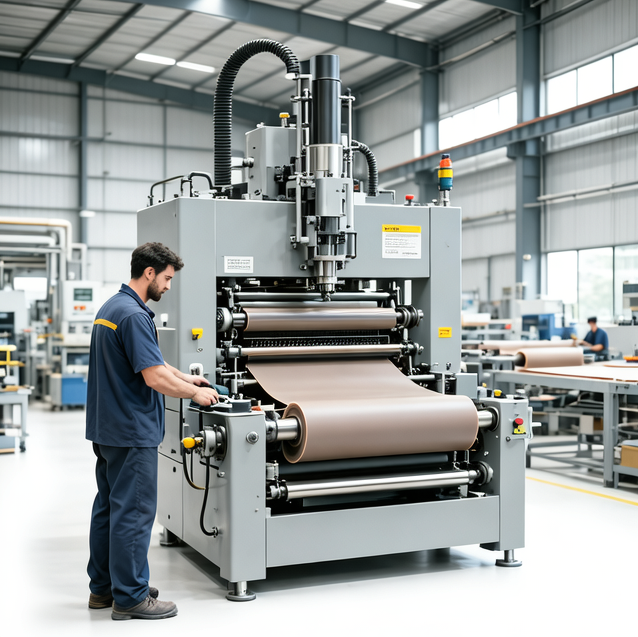
Global restrictions on single-use plastics are changing the shopping bag market fast. Retailers, brands, and regulators are pushing packaging toward thicker-gauge “reusable” carry bags, reinforced handles, and more premium finishing. For manufacturers, the key question is no longer only “how many bags per hour,” but how to upgrade a shopping bag making machine to produce compliant, higher-value products.
This guide explains the market-driven shift, the most common reusable bag structures, and the equipment features you should evaluate—especially if you’re comparing a shopping bag making machine, a D cut bag punching machine, or a soft loop handle bag making machine, and researching carry bag machine price.
1. Why shopping bag production is moving to reusable formats
Across many regions, regulations don’t simply “ban plastic”—they typically ban thin single-use bags and encourage alternatives that meet:
- minimum thickness (e.g., microns)
- reusability requirements (stronger handles, better tear resistance)
- recycled content targets and labeling rules (in some markets)
For bag factories, this creates a clear trend:
- thin T-shirt bags → declining or heavily regulated
- thick, durable carry bags (D-cut, soft loop, patch handle) → growing demand
- higher-value printing, branding, and finishing → higher margins if quality is stable
2. What “reusable” usually means in bag specs (and how it affects machines)
Reusable bags typically involve one or more of the following changes:
Thicker film and tighter thickness tolerance
Thicker film improves tear resistance but raises challenges:
- higher sealing energy requirement
- different cooling behavior
- higher tension demand and stronger unwinding control
Reinforced handle structures
Reusable carry bags often use:
- D-cut (die-cut) with reinforcement patch
- soft loop handle (separate handle strip welded on)
- patch handle or “banana handle” (reinforced area)
Each handle style changes the required equipment module and production steps.
Higher appearance standards
Reusable bags are often brand-facing. Buyers care about:
- clean handle edges
- consistent hole position
- flat seals, no wrinkles
- accurate stacking for packing/shipping
3. Three mainstream reusable shopping bag types and the best machine route
A) D-cut bags (die-cut handle)
D-cut bags are popular for thicker-gauge retail and promotional packaging.
Best equipment focus:
- a reliable D cut bag punching machine integrated with cutting/stacking
- stable registration if printed film is used
- scrap removal design to avoid jams and edge tearing
Key quality indicators:
- handle hole position tolerance
- clean punching edge (no burrs, no tearing)
- consistent reinforcement alignment (if patch is used)
B) Soft loop handle bags
Soft loop handle bags look premium and are used by fashion, cosmetics, and higher-end retail.
Best equipment focus:
- a stable soft loop handle bag making machine with precise handle feeding
- strong hot sealing / ultrasonic sealing (depending on material)
- synchronized timing so the handle weld is repeatable at high speed
Key quality indicators:
- handle symmetry and alignment
- weld strength consistency (peel test stability)
- no visible burn marks or overheating lines
C) Patch handle / reinforced carry bags
Patch handle designs distribute load better and are often used for heavier goods.
Best equipment focus:
- accurate patch placement system
- consistent welding pressure and temperature control
- strong tension control for thicker film
4. “Upgrade” paths: how factories modernize without rebuilding everything
Many manufacturers already have film blowing and basic bag cutting. The upgrade usually happens in downstream converting modules.
Common upgrade directions:
- Add punching + auto stacking to convert into D-cut output
- Add handle application module to convert into soft-loop or patch-handle production
- Improve tension control and servo feeding for thicker film stability
- Upgrade sealing system (faster response, more stable temperature control)
- Add inline inspection (photoelectric registration, defect detection, counting)
If you are planning a production shift, it’s smart to map:
- target bag styles
- daily volume per SKU
- changeover frequency
- printing requirements (registration)
Because the best configuration for “long runs” is different from “many SKUs, frequent changeover.”
5. The machine features that most affect reusable bag quality
Servo feeding and consistent bag length
Reusable bags often need tighter length tolerance. Servo feeding helps reduce:
- length drift
- misaligned punching
- poor stacking squareness
Stronger unwinding and tension control
Thicker film is heavier and can cause:
- web wander
- stretching at speed
- unstable seals due to tension fluctuation
Look for systems such as:
- dancer roller control (common)
- closed-loop tension control (higher-end)
- web guiding (EPC) for printed film
Punching accuracy and scrap extraction
In D-cut production, many stoppages come from:
- scrap clogging
- incomplete punching
- film sticking due to static
Good designs include:
- stable punching die alignment
- efficient scrap suction/removal
- anti-static measures where needed
Sealing stability for thicker film
Thick film needs:
- higher sealing energy
- stable pressure distribution
- correct cooling time
A machine that “runs fast” on thin film may produce weak seals on thick film unless the sealing unit is designed for it.
6. Compliance and value-added: turning regulation into margin
Reusable bag demand is not only regulatory—brands pay more for:
- better print appearance and flatness
- premium handle feel
- consistent packaging and low defect rate
- traceability labeling (market dependent)
If you use the new demand to move upward in quality, your product can shift from commodity pricing to “spec-based pricing.”
7. Carry bag machine price: what drives cost in reusable bag equipment?
Buyers often compare:
- shopping bag making machine
- D cut bag punching machine
- soft loop handle bag making machine
- shopping bag making solutions
- carry bag machine price
Price differences usually come from:
- servo vs mechanical feeding
- punching module design (speed + scrap removal reliability)
- handle application automation (alignment control, welding stability)
- stacking/counting unit sophistication
- safety guarding and electrical brand level
- changeover time (tooling and setup design)
A cheaper machine may look attractive until you account for:
- higher scrap rate
- more downtime
- labor needed to rework/hand-sort stacks
These are the real costs in reusable bag production.
8. Practical checklist before you buy or upgrade
To select the right machine configuration, confirm:
- bag type(s): D-cut / soft loop / patch handle
- film thickness range and material (HDPE/LDPE blends, recycled content ratio)
- target speed at stable quality (not only max speed)
- punching/welding strength standards and test method
- printing registration requirements
- stack count and packing format required by your customer