
 EN
EN
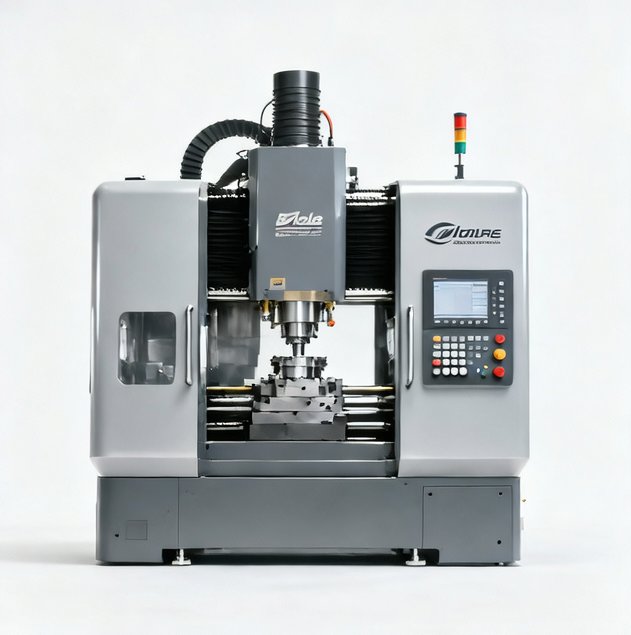
Globalna ograničenja plastike za jednokratnu upotrebu brzo mijenjaju tržište vrećica za kupovinu. Prodavači, brendovi i regulatorni organi guraju pakiranje prema ponovljiva vrećice za nošenje , ojačane ručke, i više premium završetak. Za proizvođače ključno pitanje više nije samo koliko vreća na sat, već kako nadograditi mašinu za pravljenje vrećica za kupovinu da proizvedu usklađene proizvode veće vrijednosti.
Ovaj vodič objašnjava promjenu koju pokreće tržište, najčešće strukture torbi za ponovnu upotrebu i značajke opreme koje biste trebali procijeniti, posebno ako uspoređujete mašina za Izradu Trgovinskih Vreća , a D rezanje vrećica mašina za bušenje , ili stroj za proizvodnju vrećica za ruku sa mekom petljom , i istraživanje cijena stroja za vrećice s ručkama .
1. Sljedeći članak Zašto se proizvodnja torbi za kupovinu prebacuje na format koji se može ponovno koristiti
U mnogim regijama propisi ne samo da zabranjuju plastiku, već obično zabranu tankih vrećica za jednokratnu upotrebu i potiču alternative koje ispunjavaju:
- za proizvodnju električnih goriva
- zahtjevi za ponovnu upotrebu (jače ručke, bolja otpornost na suze)
- u skladu s člankom 21. stavkom 2.
Za tvornice vrećica, to stvara jasan trend:
- tanke vrećice za majice → smanjuje se ili je snažno regulisano
- čvrste, izdržljive vrećice za nošenje (D-cut, mekana petlja, ručnik za zakrpu) → rastuća potražnja
- • više vrijednosti štampanja, brendiranja i završetka → veće marže ako je kvaliteta stabilna
2. - Što? Što "ponovljiva" obično znači u specifikacijama vrećica (i kako utječe na strojeve)
U slučaju izravnog korištenja, za sve vrste vrećica koje se mogu ponovno koristiti, primjenjuje se jedna ili više sljedećih promjena:
U slučaju da se ne primjenjuje, to se može koristiti za određivanje vrijednosti.
Deblji film poboljšava otpornost na suze, ali stvara izazove:
- povećanje zahtjeva za energijom za zatvaranje
- različito ponašanje hlađenja
- veća potražnja za napetosti i jača kontrola otvaranja
Svaka vrsta proizvoda
U višeupotrebljivim vrećicama za nošenje često se koriste:
- D-rezanje (izrezanje na izrezanje) s pojačanim flastrom
- čvor za mekanu petlju (odvojena traka za rukovanje zavariva se)
- drška za zakrpu ili ruke od banane (jačana površina)
Svaki stil ručke mijenja potreban modul opreme i proizvodne korake.
Viši standardovi izgleda
Torbe za ponudu često su u odnosu na brend. Kupci se brinu o:
- čiste rubove ručke
- u skladu s položajem rupe
- ravno zapečaćenje, bez bora
- u slučaju da je proizvod ili proizvod koji se koristi za proizvodnju proizvoda ili proizvoda koji se koristi za proizvodnju proizvoda ili proizvoda koji se koristi za proizvodnju proizvoda ili proizvoda koji se koristi za proizvodnju proizvoda ili proizvoda, to znači da je proizvod ili proizvod koji se koristi za proizvodnju proizvoda ili proizvoda koji se koristi za proizvodnju proizvoda ili proizvoda koji se koristi za proizvodnju proizvoda ili proizvoda
3. Slijedi sljedeće: Tri glavna tipa torbi za večeru uporabu i najbolja mašinska ruta
A) vrećice na D-rezu (držao za rezanje)
D-cut vrećice su popularne za deblje pakovanje za prodaju i promociju.
Najbolje usmjerenost opreme :
- ponovno pouzdano D rezanje vrećica mašina za bušenje s masenim udjelom od 0,01 do 0,01 mm
- stabilna registracija ako se koristi štampani film
- sastav za uklanjanje otpada kako bi se izbjegli zamašci i trljanje rubova
Ključni pokazatelji kvalitete :
- tolerancija položaja rupe
- čista i čista borba (bez grla, bez trljanja)
- u slučaju da se primjenjuje krema za liječenje, potrebno je upotrijebiti i sljedeće metode:
B) mekane vrećice za rukovanje
Meke torbe s mekanim zaglavljem izgledaju premium i koriste ih modni, kozmetički i luksuzni trgovci.
Najbolje usmjerenost opreme :
- stajalište stroj za proizvodnju vrećica za ruku sa mekom petljom s preciznim hranjenjem rukom
- svaka vrsta proizvoda može se upotrebljavati za proizvodnju proizvoda koji sadrže:
- sinhronizirano vrijeme tako da je ručnik zavarivanje je ponovljiv na visokom brzini
Ključni pokazatelji kvalitete :
- upravljaju simetrijom i poravnanjem
- u slučaju da se ne primjenjuje ovaj standard, za svaki proizvod koji se upotrebljava za proizvodnju električne energije, primjenjuje se sljedeći standard:
- ne postoje vidljivi tragovi opekotina ili linije pregrijavanja
C) Rucak za zakrpu / ojačana vreća za nošenje
Dizajn ručnika za zakrpu bolje raspoređuje opterećenje i često se koristi za teže robu.
Najbolje usmjerenost opreme :
- sustav za točno postavljanje fleka
- za svezanje s vodom
- s obzirom na to da je to primjenjivo za proizvodnju električnih goriva,
4. - Što? Putovi unapređenja: kako tvornice moderniziraju bez pregradi svega
Mnogi proizvođači već imaju pušenje filma i osnovno rezanje vrećica. Nadogradnja se obično događa u s druge strane, .
Zajednička smjernica nadogradnje:
- Dodajte udaranje + auto stabljenje za pretvaranje u izlaz D-cut
- Dodajte modul za primjenu ručnika za pretvaranje u proizvodnju mekane petlje ili čep-ručnika
- U skladu s člankom 3. stavkom 2.
- U skladu s člankom 3. stavkom 2.
- U slučaju da se ne provjeri, potrebno je provjeriti:
Ako planirate proizvodnu smjenu, pametno je mapirati:
- stvari za ciljne vreće
- dnevni volumen po SKU-u
- učestalost prenamjene
- zahtjevi za tiskanje (registracija)
Zato što je najbolja konfiguracija za duge runove različita od mnogo SKU-a, česta promjena.
- Pet. Karakteristike stroja koje najviše utječu na kvalitetu vrećica za ponovno korištenje
Servo hranjenje i dosljedna dužina vrećice
Za vrećice za višekratnu upotrebu često je potrebno veće tolerancije dužine. Servo hranjenje pomaže u smanjenju:
- distančna pomicanja
- neispravno probijanje
- loša kvadratacija uloživanja
Snaga iskrivanja i kontrole napetosti
Deblji film je teži i može uzrokovati:
- šipka
- rastegnuti brzinom
- nestabilna zatvarača zbog fluktuacije napetosti
Tražite sustave kao što su:
- upravljanje plesačkim valjkom (obično)
- za upravljanje napetosti zatvorenog ciklusa (viši stupanj)
- s druge strane, za proizvodnju proizvoda iz poglavlja 8
U skladu s člankom 3. stavkom 1.
U proizvodnji D-cut-a, mnogi prekidi dolaze iz:
- začepljenje otpada
- nepotpunom probijanjem
- film se lijepi zbog statičke
Dobri dizajn uključuje:
- stabilno poravnanje strojeva za udaranje
- sljedeći članak:
- u slučaju da je potrebno, mjere protiv statičkih udaraca
Svaka vrsta proizvoda može se upotrebljavati za proizvodnju proizvoda od građevinskog materijala.
Potrebne su debele folije:
- veća energija zatvaranja
- stabilna distribucija tlaka
- vrijeme ispravnog hlađenja
Stroj koji brzo radi na tankom filmu može proizvesti slabe pečate na debelom filmu osim ako je za to dizajnirana jedinica za zapečaćivanje.
6. - Što? Pridružljivost i dodana vrijednost: pretvaranje propisa u maržu
Potražnja za vrećicama za višekratnu upotrebu nije samo regulatorna, brendovi plaćaju više za:
- poboljšanje izgleda i ravnosti tiskanja
- premium rukovanje osjećaj
- nepromijenjena ambalaža i niska stopa nedostatka
- označavanje sledljivosti (zavisno od tržišta)
Ako iskoristite novu potražnju za povećanjem kvalitete, vaš proizvod može se promijeniti s cijena robe na cijene zasnovane na specifikacijama.
- Sedam. Cijena strojeva za nosioce vrećica: koliko koštaju pogoni u opremi za vrećice za višekratnu uporabu?
Kupci često uspoređuju:
- mašina za Izradu Trgovinskih Vreća
- D rezanje vrećica mašina za bušenje
- stroj za proizvodnju vrećica za ruku sa mekom petljom
- proizvodnja torbi za kupovinu rješenja
- cijena stroja za vrećice s ručkama
Razlike u cijenama obično proizlaze iz:
- servo vs. mehaničko hranjenje
- svaka od tih metoda može se upotrebljavati za proizvodnju električnih goriva.
- upotreba sustava za upravljanje električnim energijama
- rafinisanje jedinice za gomilanje/brojanje
- razina zaštite sigurnosti i električne oznake
- u slučaju da je to potrebno, provjerava se i vrijeme prijelaza.
Jeftiniji stroj može izgledati privlačno dok ne računaš:
- veća stopa otpada
- više vremena za nestanak
- radna snaga potrebna za preobrada/ručno sortiranje hrpa
To su stvarni troškovi proizvodnje vrećica za višekratnu upotrebu.
8. - Što? Praktična lista prije kupnje ili nadogradnje
Za odabir ispravne konfiguracije stroja potvrdite:
- sljedeći članak:
- u slučaju da se ne primjenjuje primjena članka 4. stavka 1. točke (a) ovog članka, za upotrebu u proizvodima za proizvodnju proizvoda iz članka 4. stavka 1. točke (a) ovog članka, primjenjuje se sljedeći uvjet:
- u slučaju da je to potrebno, za određivanje brzine za upotrebu u slučaju pojačanja brzine, potrebno je utvrditi:
- u slučaju da se ne primjenjuje, to se može upotrebljavati za utvrđivanje vrijednosti.
- zahtjevi za registraciju štampe
- broj hrpe i format pakiranja koji zahtijeva kupac