
 EN
EN
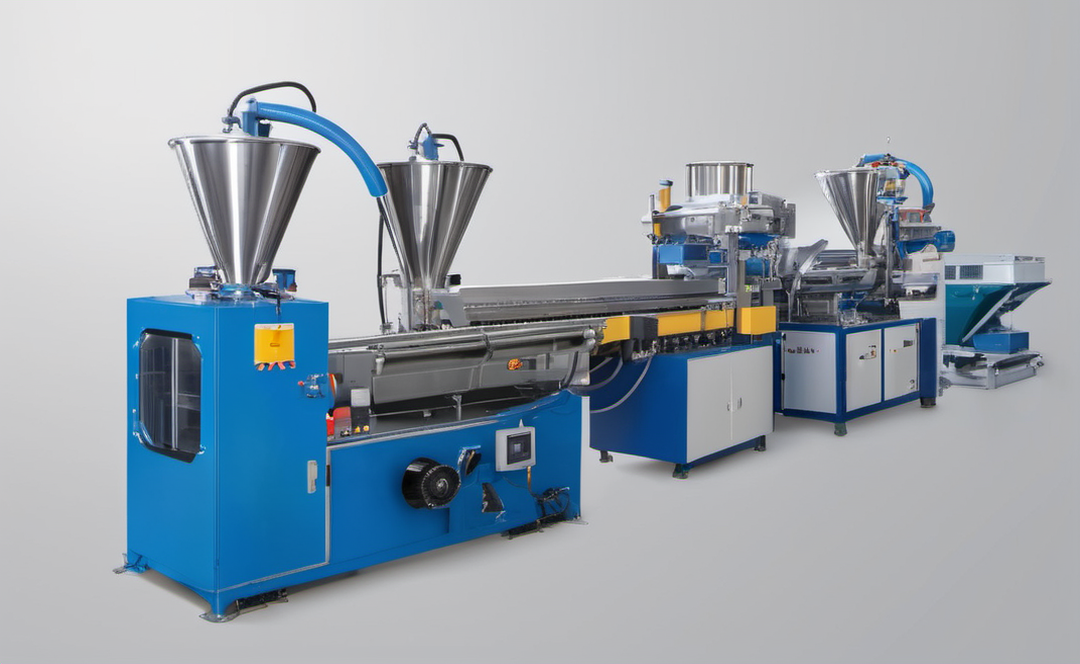
Using more regrind is one of the fastest ways to reduce raw material cost in sheet production—but it is also one of the fastest ways to destroy sheet quality if the extrusion system isn’t designed for it.
When regrind content increases, factories commonly face:
- unstable melt pressure and thickness variation
- gels, black specks, and contamination marks
- bubbles and voids from moisture/volatiles
- poor mechanical properties (brittleness, low impact resistance)
- more downtime due to frequent filter changes
From a senior processing engineer’s viewpoint, high-regrind sheet production is not “just add a filter.” It requires a system approach built around three technical upgrades:
- Screen changer / filtration strategy (continuous pressure stability)
- Mixing-focused screw design (homogenize regrind variability)
- Degassing / venting process (remove moisture and volatiles)
This article explains how to configure a sheet extruder machine to run higher regrind ratios without sacrificing sheet properties, and how this impacts selection of a full sheet making machine line, including downstream cutting (where buyers often compare sheet cutting machine price).
1) Why Regrind Causes Instability (It’s Not Only “Dirt”)
Regrind introduces variability in:
- melt flow index (MFI) / viscosity
- thermal history and degradation level
- moisture content
- particle size distribution
- contamination (paper, metal, inks, adhesives)
As a result, the extruder experiences:
- fluctuating torque and melt temperature
- pressure hunting at the die
- inconsistent die flow → thickness variation
- increased gel formation (partially melted pieces)
So the system must be designed to buffer variability.
2) Filtration: Screen Changer Strategy for High Regrind
A screen pack improves cleanliness but also creates pressure drop. With regrind, screens clog faster, causing:
- rising pressure
- thickness drift
- emergency stops for screen change
- material burn and black specks if overheated
2.1 Choose the right screen changer type
Common options:
- manual screen changer (lowest cost, highest downtime risk)
- hydraulic single-station (still requires line stop)
- continuous screen changer / double-piston / backflush systems (best for stable pressure)
For high regrind ratios, continuous solutions usually pay back through:
- fewer stops
- lower scrap during restarts
- stable thickness and better surface
2.2 Pressure stability is the KPI
Request from suppliers:
- allowable pressure fluctuation at die inlet
- screen area sizing based on regrind % and contamination level
- procedure to avoid trapped air during change
3) Mixing Screw Design: Prevent Gels and Improve Properties
A standard screw optimized for virgin resin may not mix regrind well.
Key goals for high regrind:
- faster melting of irregular particles
- better dispersive + distributive mixing
- avoid excessive shear that causes degradation
- stable metering for consistent output
3.1 Useful screw features (application-dependent)
- barrier section for improved melting
- mixing elements (balanced, not overly aggressive)
- optimized compression ratio
- longer L/D if necessary for residence and mixing
Ask suppliers for:
- screw drawing and design rationale
- recommended regrind particle size range
- expected output stability at target ratio
4) Degassing / Venting: Control Bubbles, Odor, and Porosity
Moisture and volatiles in regrind cause:
- bubbles in sheet
- surface pinholes
- odor issues
- property loss
Degassing options:
- atmospheric venting (limited)
- vacuum venting (stronger, common for regrind)
- multi-stage venting for severe cases
Critical design points:
- stable melt seal before vent port
- vent stuffer to prevent material escape
- easy cleaning access (regrind can foul vents quickly)
5) Material Preparation: Regrind Quality Rules (Cheap Improvements)
Even the best sheet extruder machine cannot overcome poor regrind handling. Implement:
- controlled grinding to consistent particle size
- magnetic separation (metal protection)
- dust removal (reduces black specks and die buildup)
- drying if material is moisture-sensitive
- separation by polymer type and color to reduce variability
6) How to Keep Sheet Properties Stable with High Regrind
Control methods:
- blend ratio control (gravimetric dosing if possible)
- melt temperature stability (avoid local overheating)
- melt pump (if needed) for output stability
- quality checks: thickness profile, haze (if relevant), impact strength
If you sell sheet into thermoforming, property stability matters more than appearance alone.
7) Downstream Effects: Why Cutting and Stacking Get Worse When Regrind Is Unstable
Thickness variation and surface contamination lead to:
- unstable feeding into cutter
- inconsistent trimming
- stack quality problems
So if you’re comparing sheet cutting machine price, remember: upstream stability determines cutter performance. A premium cutter cannot fix unstable sheet.
8) RFQ Checklist for a High-Regrind Sheet Line
When buying a sheet machine / sheet making machine, include:
- target regrind ratio and contamination assumptions
- screen changer type and screen area sizing
- screw design for regrind mixing
- venting method and vacuum capacity
- expected pressure stability at die inlet
- reference projects with similar regrind %
- spare parts plan (screens, seals, wear parts)