
 EN
EN
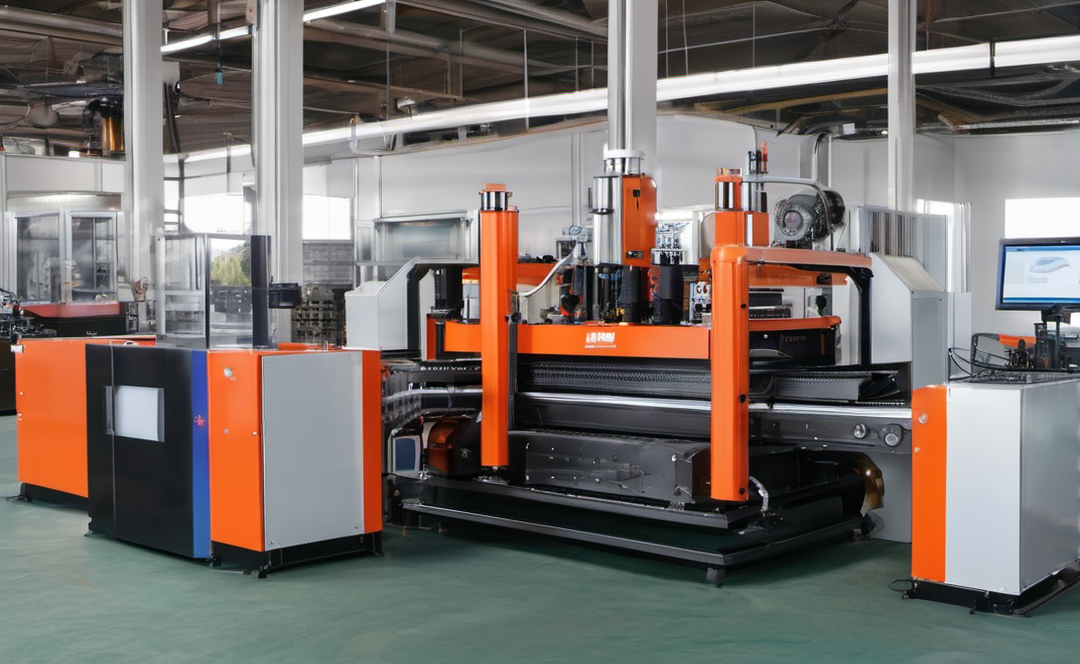
A pinch bottom bag making machine is a high-value asset in packaging plants because it forms stable bottoms and consistent bag shape—but it also contains critical stations that can become failure points if maintenance is not standardized. The bottom forming and sealing area is especially sensitive: small alignment drift or heater instability can quickly cause rejects and unplanned downtime.
This maintenance manual provides a practical checklist for technicians and production supervisors. It also applies to related systems often searched as a bag forming machine, bag manufacturing machine, or referenced when comparing bag making machine price.
Primary keyword: pinch bottom bag making machine
Related keywords: bag forming machine, bag manufacturing machine, bag making machine price
1) Why the bottom sealing/forming station needs special attention
Bottom forming typically involves:
- folding and pinch alignment
- heating/sealing (or adhesive depending on design)
- compression/cooling under controlled pressure
Common failure symptoms:
- open bottoms or weak seals
- bottom skew (poor squareness)
- wrinkles and trapped air
- frequent jams at the forming station
2) Daily maintenance checklist (shift-level)
- Clean forming guides and remove dust/scrap
- Inspect heater surfaces for contamination (burnt film, adhesive residue)
- Check air pressure and filter condition (if pneumatic actuators are used)
- Confirm sensor lenses are clean (registration and position sensors)
- Verify emergency stop and guarding are functional
Tip: most “mystery downtime” is caused by dirty sensors and scrap buildup near bottom forming.
3) Weekly maintenance checklist (technician-level)
Alignment and timing checks
- Verify forming plate alignment and fastener tightness
- Inspect folding guides for wear and burrs
- Check timing synchronization between feed, forming, and sealing
Sealing system verification
- Confirm set temperature vs actual sealing face temperature
- Inspect heater bands and thermocouples for damage
- Check pressure uniformity across sealing width
Drive and transmission
- Inspect belts/chains/couplings for tension and wear
- Lubricate according to the supplier schedule
4) Fast wear-part replacement: reducing downtime
Wear parts often include:
- sealing tapes/PTFE covers
- forming guide inserts
- cutting blades/anvils (if integrated)
- springs, bushings, pneumatic seals
Best practice:
- keep a “minimum stock” kit for high-failure parts
- document replacement intervals and root causes
- replace parts during planned downtime, not after failure
5) Troubleshooting map (quick diagnosis)
- Weak bottom seal: temperature drift, insufficient dwell, uneven pressure, contamination
- Bottom misalignment: guide wear, sensor error, feed length drift
- Wrinkles at bottom: tension instability, guide burrs, incorrect forming pressure
- Frequent jams: scrap accumulation, timing mismatch, worn forming inserts