
 EN
EN
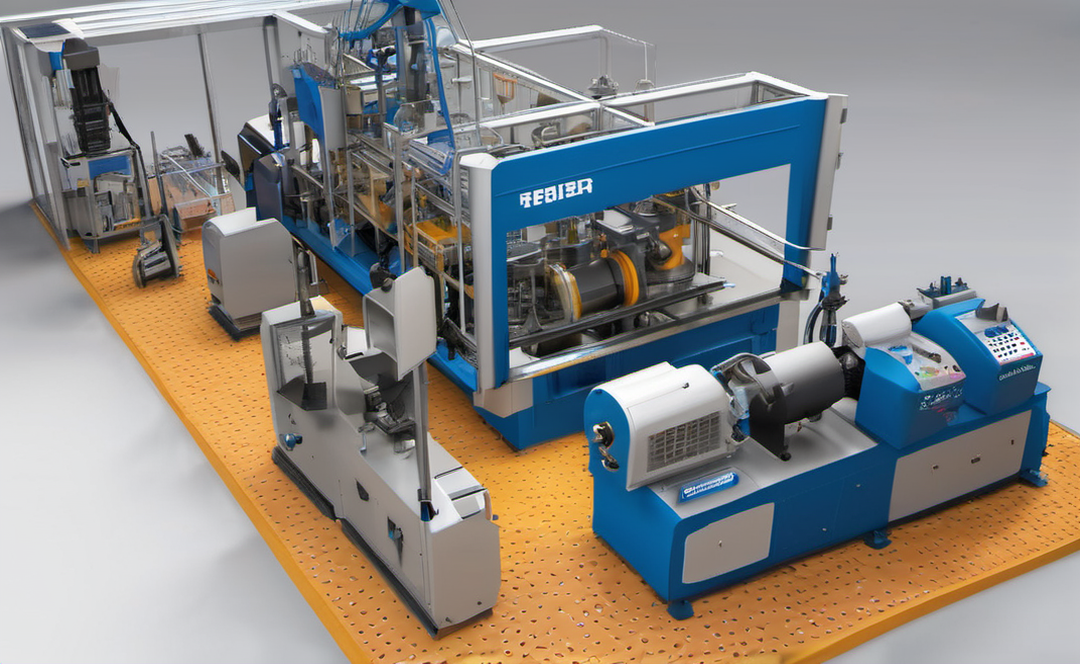
HDPE bags are widely used for retail, industrial liners, and heavy-duty packaging because HDPE can deliver excellent stiffness and tensile performance at low thickness. But producing high-strength HDPE bags consistently requires more than a basic converter. The results depend on film properties, sealing parameters, cooling strategy, and tension stability throughout the line.
This deep technical article explains how to optimize an HDPE bag making machine for high-strength applications. It also connects upstream film behavior to converting performance and references related equipment terms buyers search such as LDPE bag making machine, plastic bag extrusion machine, plastic bag making machine price, and plastic bag machine for sale.
Primary keyword: hdpe bag making machine
Related keywords: ldpe bag making machine, plastic bag extrusion machine, plastic bag making machine price, plastic bag machine for sale
1) HDPE material behavior: why it’s strong yet demanding
HDPE typically offers:
- higher stiffness
- good tensile strength
- strong tear resistance in certain orientations
But it also brings challenges:
- narrower sealing window than some LDPE blends
- higher sensitivity to sealing pressure and dwell
- curl and wrinkling risk if tension/cooling is unstable
- noise (“crinkle”) and static issues in some environments
So optimization must address both material and machine.
2) Film quality prerequisites: strength starts before the bag machine
If film quality is unstable, the bag machine will struggle. Key film factors:
- thickness uniformity (gauge profile)
- consistent COF (slip/antiblock dosing)
- stable orientation and shrink behavior
- low gels and contamination
If you run your own blown film line, treat “film stability” as the first step to bag strength.
3) Sealing optimization for high-strength HDPE bags
To achieve strong seals, control three variables:
Temperature
HDPE can underseal or burn if temperature is wrong. Use:
- multi-zone temperature control if possible
- actual seal face temperature verification (not only setpoint)
Dwell time
Higher speed reduces dwell time. Options:
- adjust cycle timing
- improve heat transfer (jaw design, surface condition)
- introduce preheat zones if needed
Pressure uniformity
Uneven pressure creates leak paths and weak seal spots. Check:
- jaw parallelism
- pneumatic/hydraulic pressure stability
- worn pads and PTFE covers
Practical recommendation: define a “sealing recipe” per thickness range and lock it with operator permissions to reduce drift.
4) Cooling strategy: preventing weak seals and deformation
Cooling is critical because HDPE seals can deform if pulled hot.
Best practices:
- ensure post-seal cooling time before tension increases
- use cooling bars/airflow to stabilize the seal area
- avoid high winding tension immediately after sealing
- maintain roller cleanliness to prevent seal marks and scratches
Good cooling improves:
- seal strength repeatability
- dimensional stability
- stacking quality
5) Tension control and registration: protecting tensile performance at speed
When tension fluctuates, the film stretches and shrinks unevenly, creating:
- bag length variation
- seal misalignment
- wrinkles that weaken stress distribution
Key systems:
- stable nip and pull control
- web guiding (EPC) where needed
- servo feed for repeatable length (especially for printed bags)
6) Choosing HDPE vs LDPE bag making routes
Many buyers compare an HDPE bag making machine with an LDPE bag making machine. In real factories:
- HDPE often targets stiffness and strength at lower thickness
- LDPE offers wider sealing window and softer feel
Your product spec and customer preference determine the best route. Machines can often run both, but parameter recipes and hardware must support stable sealing in each material.
7) Cost and purchasing considerations
When evaluating plastic bag making machine price or plastic bag machine for sale, confirm:
- thickness range supported at stable speed
- seal strength performance under your HDPE blend
- cooling configuration and post-seal handling
- automation level (counting/stacking) and labor requirement
- spare parts availability for sealing components