
 EN
EN
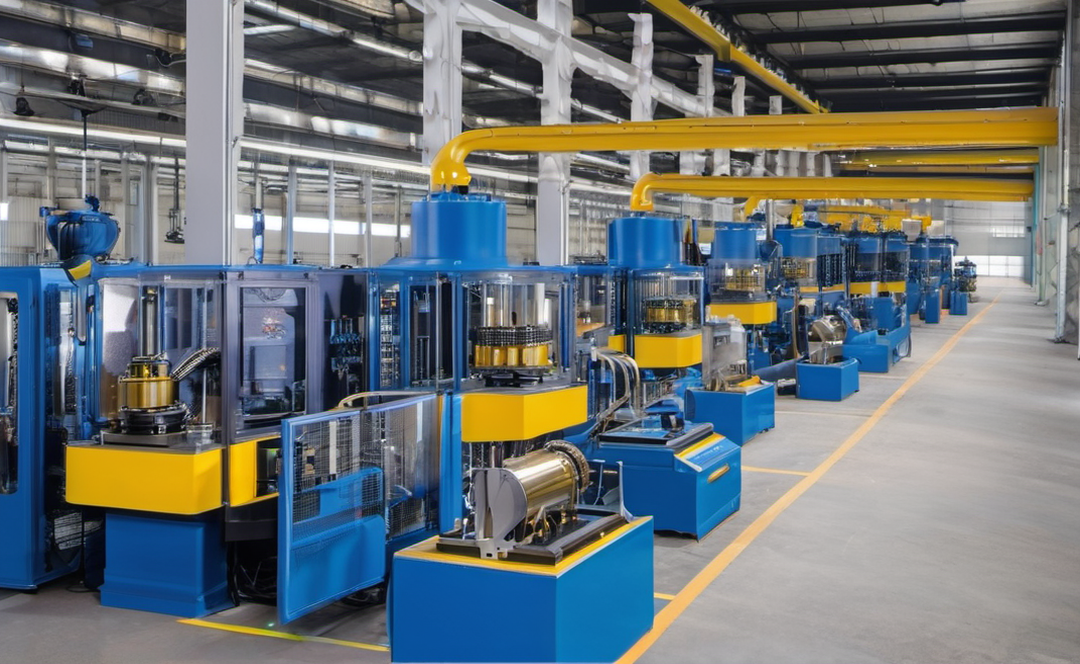
PVC products—stationery bags, cosmetic pouches, tool packaging, and protective covers—often rely on high-frequency (HF) welding to achieve clean, strong seams. Compared with thermal sealing, HF welding can offer excellent appearance and productivity for certain PVC formulations. But it also introduces specific technical risks: electrode wear, arcing, unstable weld strength, and safety concerns around high voltage and fume management.
This deep technical article explains the fundamentals of HF welding on a PVC bag making machine, including how PVC sheet quality from PVC sheet extrusion impacts welding outcomes, how to maintain electrodes, and which safety protocols should be non-negotiable.
Primary keyword: pvc bag making machine
Related keywords: pvc sheet extrusion, plastic sheet press machine, plastic bag making machine price, plastic bag making machine for sale
1) Why PVC uses high-frequency welding (and when it makes sense)
HF welding uses an electromagnetic field to heat polar materials (like PVC) internally. Advantages include:
- clean, glossy weld lines
- good strength without external heating bars
- fast cycle times for certain bag shapes
- consistent appearance for consumer products
But results depend heavily on:
- PVC formulation (plasticizer type and content)
- sheet thickness consistency
- electrode design and surface condition
- accurate pressure and timing control
2) HF welding principle in simple production terms
HF welding typically combines:
- high-frequency generator
- electrode tooling (upper electrode + lower plate)
- pressure application (pneumatic/hydraulic)
- timing control (weld time + cooling/hold time)
Heat is generated inside the PVC due to dielectric losses. That means:
- contaminants and uneven thickness can cause hot spots
- electrode condition directly affects field distribution
- pressure uniformity affects final seam strength and appearance
3) How PVC sheet extrusion quality affects welding
If your upstream PVC sheet extrusion is unstable, HF welding becomes inconsistent.
Key sheet parameters:
- thickness tolerance (±) across width
- plasticizer migration behavior (affects surface and weld)
- surface cleanliness (dust, oil, release agents)
- residual stress and curl
Common results of poor sheet quality:
- weld burn marks or bubbles
- weak seams at thin zones
- arcing due to contamination
- inconsistent gloss along weld line
4) Electrode design and maintenance: the #1 uptime factor
Electrodes wear over time due to:
- heat cycling
- oxidation/contamination
- micro-arcing and surface pitting
Maintenance best practices:
- keep electrode surfaces clean and polished
- maintain correct edge radius (sharp edges increase arcing)
- check alignment and pressure distribution
- replace damaged insulation and fixtures promptly
Symptoms indicating electrode issues:
- increased reject rate with no parameter change
- visible burn points or “spark marks”
- unstable current/power readings
- poor seam appearance at specific locations
5) Process window: balancing weld time, power, and pressure
For stable production, define a recipe:
- power level (or energy target)
- weld time
- hold/cooling time
- pressure setpoint and repeatability
If you push speed too aggressively, typical defects include:
- seam peel failure (insufficient energy or hold time)
- distortion and shrink marks (overheating)
- warping and poor flatness (cooling not sufficient)
6) Safety protocols: what a professional PVC HF line must include
HF welding introduces real safety and compliance requirements:
Electrical safety:
- high-voltage enclosure integrity
- interlocks on access doors
- grounding and leakage monitoring
- lockout/tagout procedures for maintenance
Operator protection:
- guarding against pinch points and hot tooling
- emergency stop coverage
- clear SOPs for setup and cleaning
Fume and ventilation:
- PVC processing can release fumes, especially if overheated
- ensure proper ventilation and temperature control to prevent degradation
Safety is also a purchasing factor: plastic bag making machine price differences often reflect stronger guarding, better electrical components, and documented safety design.