
 EN
EN
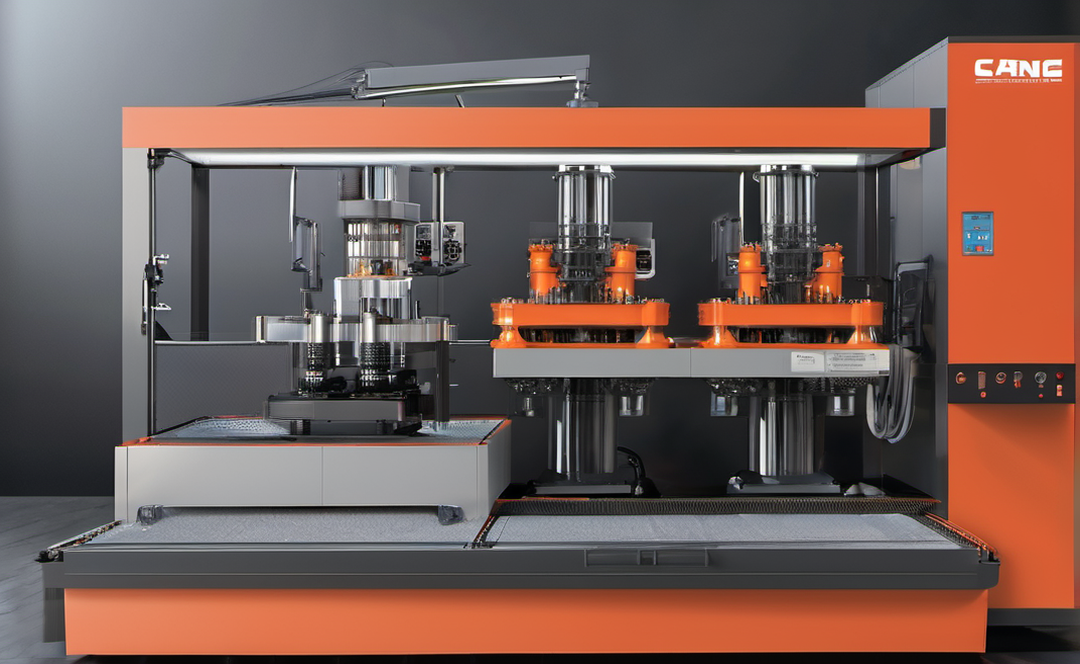
As packaging shifts toward higher perceived value—better shelf presence, stronger load performance, and premium branding—many factories are evaluating whether to move beyond standard flat bags. A modern box bag making machine (including non woven and plastic structures) can produce 3D bags that stand up, carry more, and often sell at higher margins. But does it always improve profitability? Not necessarily—unless the process, product mix, and equipment configuration match your business model.
This deep article compares box bag making machine output against traditional flat bag production from a production operations perspective: cycle efficiency, labor demand, material consumption, and real profit drivers. It also clarifies how related equipment such as a non woven box bag making machine and a D cut bag punching machine fits into product upgrades, and why many buyers evaluate bag making machine price and bag manufacturing machine quotes differently once they consider total cost and value.
Primary keyword: box bag making machine
Related keywords: non woven box bag making machine, d cut bag punching machine, bag making machine price, bag manufacturing machine
1) Why box bags are growing: market demand and value perception
Traditional flat bags are often treated as commodities. Price competition is intense, and small quality differences rarely justify higher selling prices. Box bags, by contrast, offer:
- 3D shelf presence (bags can stand, look premium)
- higher loading capacity (better bottom and gusset structure)
- more usable volume at similar footprint
- better branding surface (front/back panels are flatter and more consistent)
This translates into a simple business reality: buyers often accept higher unit prices for box bags—especially in retail, promotional packaging, and reusable packaging categories.
2) Defining the two production routes
Before comparing efficiency, define what “box bag” means in your factory.
Traditional flat bag route (typical)
- Web feeding → sealing → cutting → stacking
Common formats: flat bag, T-shirt bag, simple handle bag.
Box bag route (typical)
- Web feeding → folding/gusset forming → bottom forming → sealing/bonding → cutting → stacking
Common formats: box bottom, square bottom, side gusset, stand-up style carry bags.
Box bag production adds forming steps—so the machine must compensate via automation, stability, and reduced manual handling.
3) Efficiency comparison: throughput vs stable output (OEE)
Many suppliers advertise maximum speed. Operations teams care about stable speed and OEE (availability × performance × quality).
Flat bag: why it often wins on pure speed
Flat bag lines typically have:
- fewer stations
- fewer forming tolerances
- simpler changeovers
Result: high theoretical speed and easy stability.
Box bag: where efficiency is won (or lost)
Box bag production introduces variables:
- gusset depth tolerance
- bottom alignment and squareness
- forming stability under tension changes
- more scrap risk during setup
A box bag line can still outperform flat bag profitability when:
- automation reduces labor
- scrap rates are controlled
- product sells at higher margin per piece
- changeover strategy matches your SKU structure
Operational takeaway: compare machines using good bags per hour, not cycles per minute.
4) Material consumption: does a box bag always use more material?
Not always. Material consumption depends on:
- bag geometry and volume
- reinforcement requirements
- handle type
- customer specification (thickness, GSM)
When box bags may use more material
- extra gusset material to create volume
- stronger bottom reinforcement
- premium thickness requirements
When box bags can be material-efficient
- better volume-to-material ratio for certain designs
- lower need for secondary reinforcement if structure carries load naturally
- improved stacking reduces damage and rejects (indirect material savings)
To compare fairly, use:
- grams per finished bag
- defect/scrap percentage
- customer accepted tolerance (dimensional and appearance)
5) Labor and workflow: the biggest hidden driver of profit
Flat bag production can still require labor for:
- manual stacking corrections
- handle patch positioning checks (for some types)
- rework due to misregistration
A well-designed non woven box bag making machine often emphasizes:
- one-step forming and bonding
- automated stacking/counting
- stable dimensional repeatability
If labor is expensive in your region, automation can make box bag production significantly more profitable—even if material cost per bag is slightly higher.
6) Product upgrade paths: D-cut punching and value-added formats
Many factories move step-by-step:
- improve flat bag quality
- add handle/punching modules
- migrate to 3D structures
A D cut bag punching machine can be part of this transition by enabling higher perceived value bags (reusable carry, boutique packaging) without a full box-bag system in the early stage.
A practical strategy:
- start with the highest-volume product you can reliably sell
- add a new bag structure only when your customer pipeline justifies stable utilization of the new machine
7) Profit model: how to compare flat bag vs box bag production
To compare profitability, build a simple model:
Profit per hour = (selling price − material cost − labor cost − energy − consumables − scrap loss) × good bags/hour
Key variables that usually favor box bags:
- higher selling price per bag
- lower defect rate when automation is mature
- lower labor per 10,000 bags
Variables that can favor flat bags:
- simpler operation and changeover
- lower capital cost
- easier to run multiple SKUs with short runs
8) What to ask when evaluating bag making machine price for box bags
Buyers often start with bag making machine price, but for box bags you should request:
- stable speed on your bag size and material
- guaranteed tolerance for gusset depth and bottom squareness
- changeover time estimate with tooling list
- scrap rate expectation during setup and steady running
- automation scope (feeding, forming, stacking, counting)
- spare parts list for forming and bonding modules
This is how you compare a “cheap machine” vs a “profitable system.”