
 EN
EN
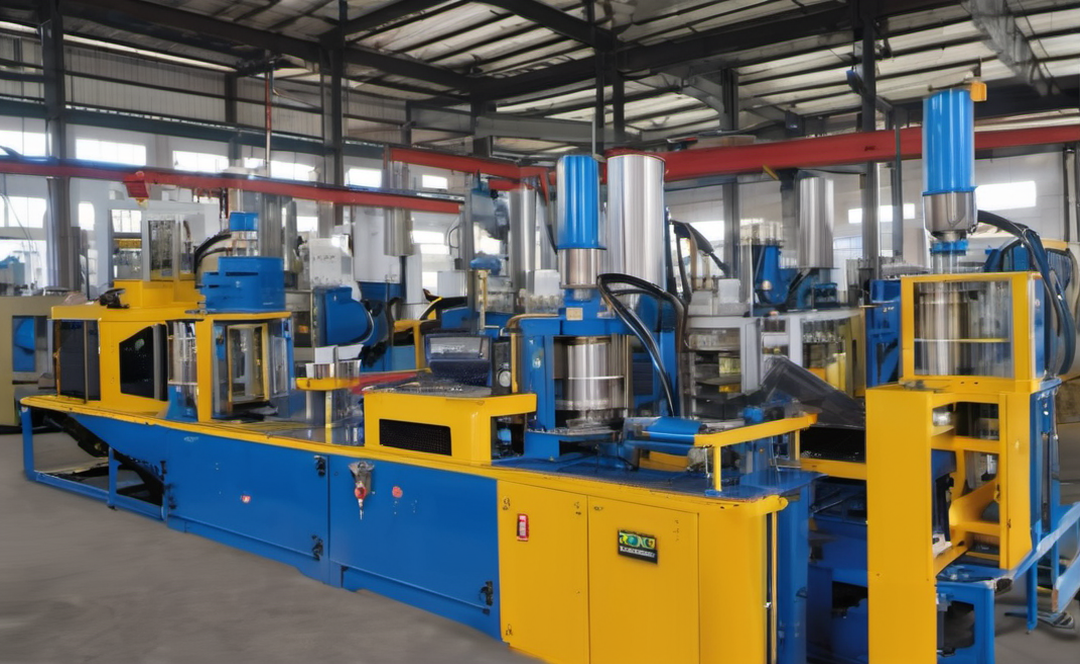
Modern bag factories are moving from “operator-driven lines” to data-driven production. In this shift, the fully automatic plastic bag making machine becomes a core node in the smart factory: it generates production data, quality signals, and maintenance indicators that can be connected to MES/ERP systems.
This deep article explains how automation, digital integration, and predictive maintenance work in practice—helping you evaluate:
- fully automatic plastic bag making machine
- automatic bag making machine
- plastic bag making machine price
- plastic bag machine for sale
Primary keyword: fully automatic plastic bag making machine
Related keywords: automatic bag making machine, plastic bag making machine price, plastic bag machine for sale
1) What “fully automatic” should mean (beyond marketing)
A truly fully automatic machine typically includes:
- automatic feeding and length control (servo)
- automatic counting and stacking/rolling
- automatic scrap handling (where applicable)
- parameter recipes and fast changeover support
- alarm logic that reduces operator intervention
The best measure is not “automation features,” but:
- fewer micro-stops
- lower scrap rate
- stable quality at target speed
2) Data you should collect from an automatic bag line
To run a smart factory, the machine should output:
- speed, output count, good/reject count
- downtime events and alarm codes
- temperature and pressure trends (sealing)
- servo load trends (mechanical health)
- energy consumption (optional but valuable)
This data supports OEE dashboards and root-cause analysis.
3) Real-time monitoring: turning alarms into decisions
A mature monitoring system includes:
- reason-coded downtime (not just “stop”)
- trend visualization (temperature drift, tension fluctuation)
- shift reports comparing operators/SKUs
- quality sampling prompts based on risk (speed changes, roll changes)
Even simple monitoring reduces hidden losses dramatically.
4) Predictive maintenance: using machine signals to prevent failure
Common predictive indicators:
- rising servo current (bearing wear, increased friction)
- increasing seal temperature variance (heater degradation)
- longer pneumatic response time (valve contamination/leaks)
- increased micro-stop frequency (sensor drift, alignment issues)
A predictive strategy replaces “run until failure” with:
- planned downtime windows
- spare parts readiness
- reduced catastrophic breakdowns
5) Integration into MES/ERP: what to ask suppliers
Ask whether the machine supports:
- standard industrial communication protocols (varies by supplier)
- exportable production reports
- user permission control and parameter locking
- remote diagnostics (optional, security-controlled)
These features reduce management cost and improve scalability.