
 EN
EN
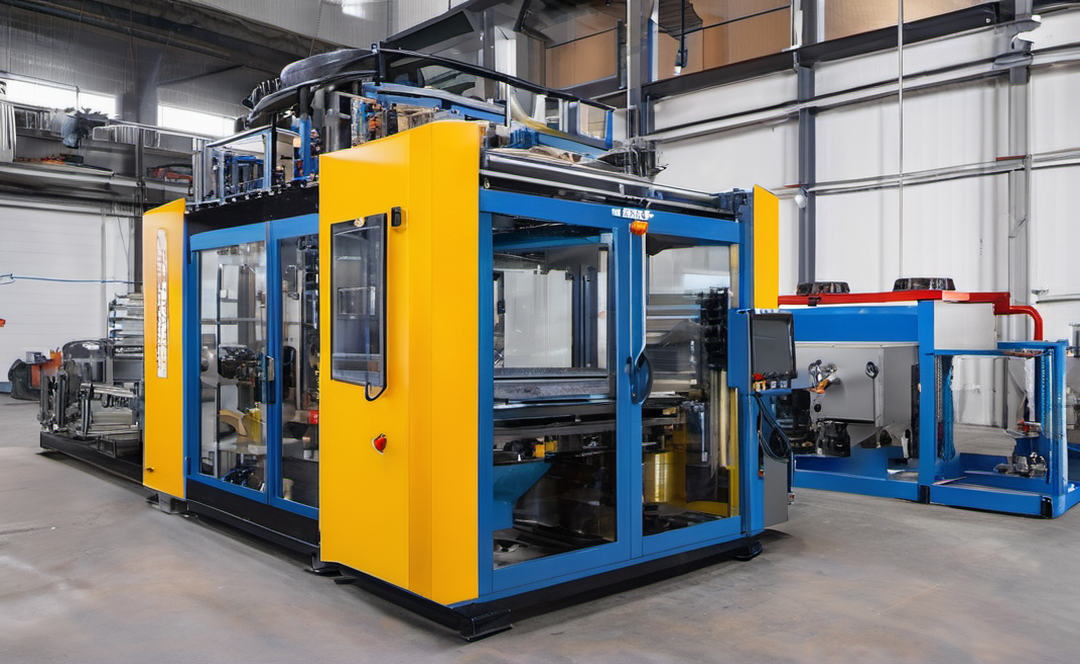
Medical packaging is not just “packaging”—it is a functional part of the device. If the seal fails, sterility can be compromised, and the product can become non-compliant or unsafe. That’s why choosing a seal making machine for medical packaging requires more than speed and appearance. You need to evaluate sterile barrier performance, cleanroom compatibility, and how easily the process can be validated under quality systems such as ISO 13485.
This deep-dive compares traditional heat sealing (commonly used on a side seal bag making machine) with ultrasonic sealing for pouches and bags, including zipper formats (where applicable). It also provides a validation-oriented checklist that procurement, engineering, and QA can use when selecting equipment.
Note: Final compliance depends on your specific material (Tyvek®, medical paper, PET/PE, PA/PE, etc.), pouch design, and local regulations. Always perform formal validation (IQ/OQ/PQ) and risk management.
1) What “Sterile Barrier” Really Means (Practical View)
A sterile barrier system must:
- maintain sterility until point of use
- resist microbial ingress during distribution and storage
- allow aseptic presentation (controlled opening)
- remain compliant after aging and transport simulation
Seal integrity is central. Many “perfect-looking” seals fail peel strength or leak testing due to hidden channels, contamination, or process drift.
2) Heat Sealing: How It Works and Where It Fails
Heat sealing bonds materials using:
- temperature
- dwell time
- pressure
- cooling (to stabilize the seal)
Strengths
- mature, widely adopted
- compatible with many medical films and papers
- easier material sourcing and operator familiarity
- strong track record for validation
Typical failure modes
- channel leaks from wrinkles/dust
- seal thinning or burn-through from overheating
- inconsistent peel due to temperature drift
- seal variation across width (uneven jaw pressure)
Best practices
- closed-loop temperature control with calibration routine
- stable pneumatic pressure control
- controlled web tension and alignment
- preventive maintenance of seal bars and pads
3) Ultrasonic Sealing: How It Differs
Ultrasonic sealing uses high-frequency vibration to generate localized heat at the interface. Instead of heating the entire jaw, it concentrates energy where bonding is needed.
Potential advantages
- less thermal load on the product area (useful for heat-sensitive contents in some applications)
- often faster response and shorter dwell
- can reduce thermal distortion on certain materials
Common limitations
- narrower material compatibility window (depends heavily on polymer types)
- tooling and horn wear management
- sensitivity to thickness variation and inconsistent web feed
- higher demand for precise mechanical alignment
For medical packaging, ultrasonic can be excellent when the material and pouch design are suited—but it must be qualified rigorously.
4) Comparison: Heat Seal vs Ultrasonic for Medical Pouches
Seal strength consistency
- Heat seal: strong when temperature/pressure/dwell is stable; sensitive to contamination
- Ultrasonic: strong when amplitude/pressure are stable; sensitive to thickness variation
Cleanroom compatibility
Both can be cleanroom-compatible, but evaluate:
- particle generation (worn belts, horns, seal pads)
- lubricant control
- ease of cleaning and access
- enclosure and airflow integration
Validation complexity (ISO 13485)
Both require validation, but ultrasonic often requires additional attention to:
- horn/tooling wear tracking
- amplitude calibration and monitoring
- mechanical alignment and repeatability studies
Maintenance and uptime
- Heat seal: seal pads and Teflon wear; heater bands and sensors fail over time
- Ultrasonic: horn and anvil wear; alignment drift; vibration-related fastener loosening
5) Zipper Formats and Medical Packaging Reality
Keywords like zip making machine or zipper pouch making machine are popular in general packaging, but in medical packaging:
- zipper closures are less common for sterile barrier systems
- if used, they must be validated for microbial barrier performance and distribution robustness
- many medical products still rely on peelable seals rather than reclose features
If your product truly requires a zipper, involve QA/RA early and validate the system thoroughly.
6) Validation Checklist (IQ/OQ/PQ-Oriented)
A) Installation Qualification (IQ)
- material certificates for contact parts
- calibration status for sensors and controllers
- electrical/pneumatic installation verification
- cleanroom installation requirements met
B) Operational Qualification (OQ)
Establish process window:
- temperature range (heat seal) or amplitude range (ultrasonic)
- pressure range
- dwell time / cycle parameters
- line speed limits
- alarm limits and interlocks
Testing in OQ typically includes:
- peel strength tests (across width and over time)
- dye penetration / bubble leak (as applicable)
- visual inspection criteria
- channel leak detection strategy
C) Performance Qualification (PQ)
Run real production conditions:
- multiple shifts/operators
- worst-case material lots
- changeovers and restart conditions
- packaging integrity after aging and distribution simulation
7) What to Ask Suppliers (Beyond “Seal Making Machine Price”)
- Can you provide seal integrity data for similar medical materials?
- What monitoring is available (temperature mapping / amplitude monitoring / pressure feedback)?
- What is the preventive maintenance plan and spare parts lead time?
- What documentation is provided for validation (drawings, calibration, FAT/SAT protocols)?
- Can the machine integrate with vision inspection and reject systems?