
 EN
EN
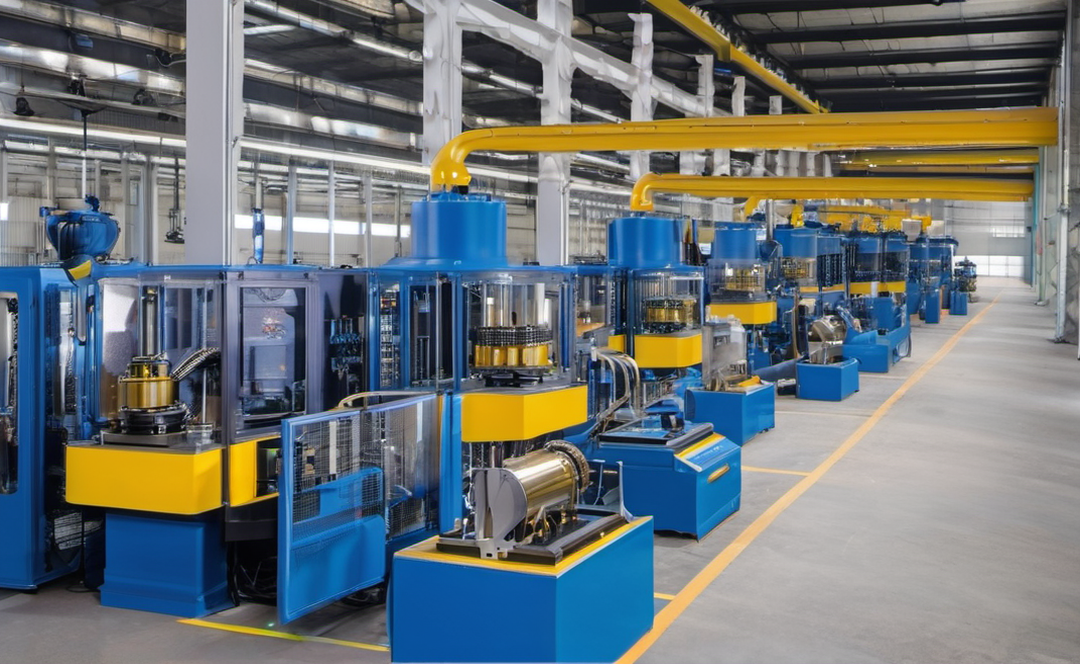
Industrial rubber sheets and rubber mats (flooring, anti-slip mats, insulation pads, gaskets, vibration damping sheets) are traditionally produced on rubber processing equipment such as two-roll mills, calenders, or dedicated rubber extruders. But in many plants—especially those expanding product lines or seeking higher automation—there is growing interest in using a plastic sheet extruder as part of a rubber sheet production line.
Can a plastic sheet extruder machine run rubber compounds reliably? The answer is: yes, but only with the right engineering modifications. Rubber behaves very differently from thermoplastics. It requires higher torque at lower screw speed, has more challenging degassing needs (depending on formulation), and often contains abrasive fillers that accelerate wear.
From a polymer application specialist’s perspective, this article provides a technical deep dive into:
- when a plastic sheet extruder is suitable for rubber sheet production
- what modifications are required (high-torque gearbox, venting/degassing, wear-resistant screw and barrel)
- process control considerations for stable industrial rubber mat quality
- how these decisions affect output, downtime, and even rubber sheet machine price comparisons
If you’re comparing a rubber sheet machine vs a converted sheet extruder machine, this guide will help you evaluate feasibility and avoid expensive trial-and-error.
1) Rubber vs Thermoplastics: Why “Just Running Rubber” on a Plastic Sheet Extruder Fails
A plastic sheet extruder is typically optimized for thermoplastics such as PP, PE, PS, PET, or PVC. These materials melt and flow with well-defined temperature windows and relatively stable viscosity behavior once melted.
Rubber compounds (especially industrial rubber mat formulations) often include:
- elastomers (NR, SBR, NBR, EPDM, etc.)
- carbon black, silica, calcium carbonate, or other fillers
- plasticizers/oils
- curing systems (sulfur or peroxide packages) depending on product stage
- reclaim or recycled rubber content
These ingredients create three major challenges for a plastic sheet extruder:
- High torque demand during plasticization and mixing
- Gas/volatile management (moisture, trapped air, decomposition byproducts, oils)
- Rapid wear on screw/barrel due to abrasive fillers (carbon black, silica)
Without addressing these, you typically see:
- unstable output and thickness variation
- poor surface quality, bubbles, voids, and porosity
- overheating, compound scorching, or premature curing risk
- excessive downtime from screw/barrel wear and cleaning issues
2) Choosing the Right Extruder Platform for Rubber Sheet Applications
Not every plastic sheet extruder design is a good candidate. Before modifications, confirm basic suitability:
2.1 Screw type: single-screw vs twin-screw
- Single-screw: can work for certain rubber compounds if feeding is stable and torque capacity is high. Simpler, often lower investment.
- Twin-screw (co-rotating): better for intensive mixing, high filler loading, reclaim blends, and more demanding degassing. Often more stable but higher cost.
For industrial rubber mats with high filler content and variable feed, twin-screw may offer better process robustness, but a reinforced single-screw can still be viable if well engineered.
2.2 Temperature control philosophy must change
Rubber is more sensitive to mechanical shear heating. Many rubber compounds don’t need “high barrel temperature” to melt like plastics; they need controlled shear and residence time to avoid overheating.
So, your barrel zone strategy and cooling capability become more important than “high heating power.”
2.3 Feeding system matters more than you think
Rubber compounds can be:
- strips or slabs
- crumb
- pellets (less common for industrial compounds)
- powder/filler blends
Stable feeding often requires:
- force feeding
- crammer feeder
- anti-bridging hopper design
- gravimetric dosing if formulation control is critical
3) Modification #1: High-Torque Gearbox and Drive System (Non-Negotiable)
Why torque is the first bottleneck
Rubber compounds resist flow and demand high mechanical energy to plasticize and homogenize. If you run a standard plastic gearbox at rubber loads, you risk:
- frequent torque alarms and stoppages
- gearbox overheating
- accelerated gear wear or failure
- inability to maintain stable output at required thickness/width
What to specify in a rubber-capable sheet extruder machine
When modifying a plastic sheet extruder machine for rubber, evaluate:
- Gearbox torque rating (continuous and peak)
- Safety factor for high-load, low-speed operation
- Motor power + speed range (rubber often prefers lower screw speed with higher torque)
- Coupling strength and alignment (to prevent vibration and fatigue)
- Gearbox cooling and lubrication capacity (because load is higher and more continuous)
Engineering target: For rubber, think “torque capacity first,” not “RPM first.”
How this affects rubber sheet machine price comparisons
A quote for a standard plastic sheet extruder may look attractive, but after adding:
- higher torque gearbox
- stronger motor/drive
- reinforced thrust bearing capacity
the cost moves closer to a dedicated rubber sheet machine. That’s why you should compare systems by capability and lifecycle cost, not only initial price.
4) Modification #2: Venting / Degassing System (To Prevent Bubbles, Voids, and Porosity)
What gases are you dealing with?
Depending on the compound and storage conditions, rubber processing can release:
- moisture (especially with hygroscopic fillers or poor storage)
- trapped air (from feeding and compaction)
- light volatiles from oils or additives
- decomposition gases if overheating occurs
If these gases remain in the melt, you’ll see:
- bubbles and pinholes in the sheet
- poor mechanical properties and weak spots
- unstable thickness at the die
- surface defects that become worse after cooling
Venting options on a converted plastic sheet extruder
-
Atmospheric vent port
Simple, but limited degassing capacity. Works only when melt seal and pressure profile are stable. -
Vacuum venting (preferred for many rubber compounds)
Adds a vacuum hood and pump system to pull volatiles out more effectively. -
Two-stage venting
Useful for high volatile load or moisture-sensitive formulations.
Practical venting design considerations
- A stable “melt seal” zone before the vent is critical (otherwise material floods the vent)
- Install vent stuffer or design features to prevent blow-by
- Plan for vent cleaning access—rubber compounds can foul vent areas quickly
- Control vacuum level; too much vacuum can pull oils/plasticizers and alter compound properties
A correctly designed degassing section is one of the biggest quality differentiators in rubber sheet extrusion.
5) Modification #3: Wear-Resistant Screw/Barrel and Protective Coatings
Why wear is severe in rubber sheet production
Industrial rubber mat formulations often have high filler load:
- carbon black (abrasive)
- silica (very abrasive)
- calcium carbonate
- recycled content with contaminants
These wear the screw flights and barrel liner, leading to:
- output drop over time
- unstable pressure and thickness control
- more frequent cleaning and rebuilds
- higher energy consumption as efficiency declines
What to specify
- Bimetallic barrel liner designed for abrasive compounds
- Hardened or coated screw (e.g., hardfacing, tungsten carbide coatings depending on supplier options)
- Wear-resistant feed throat components (often overlooked)
- Consider replaceable wear sleeves in the highest-wear zones
Monitoring wear (to protect OEE)
Plan for:
- baseline screw/barrel clearance measurement
- periodic inspection intervals based on throughput and filler load
- trend tracking (output vs screw speed, pressure vs output)
Wear management is one of the most cost-effective ways to protect quality and avoid unplanned downtime.
6) Process Optimization: How to Achieve High-Quality Rubber Mat Sheets
After mechanical modifications, process setup determines whether you can hit stable production.
6.1 Focus on shear control and residence time
Rubber compounds can scorch if overheated. Practical steps:
- run lower screw speed with adequate torque
- use barrel cooling strategically
- avoid excessive backpressure that increases shear heating
- stabilize feeding to prevent surging
6.2 Die and downstream forming still matter
A sheet extruder machine is only as stable as its die + calender/roll stack. For rubber sheets, pay attention to:
- die flow uniformity and temperature stability
- roll stack pressure control and alignment
- roll temperature uniformity to prevent internal stress and warpage
6.3 Quality checkpoints for industrial rubber sheet
Common control items include:
- thickness profile across width
- surface appearance (bubbles, pinholes, scorch marks)
- density/porosity (especially for foam-like compounds)
- tensile/tear strength and elongation
- dimensional stability after cooling and storage
7) When a Plastic Sheet Extruder Is the Right Choice (and When It Isn’t)
Good fit scenarios
A modified plastic sheet extruder can be a strong option when:
- your rubber compound is relatively consistent and well-prepared
- you need higher automation and continuous production
- you want to integrate inline cutting and stacking
- you plan to run medium-to-high volume industrial rubber mats with stable specifications
Risk scenarios
Consider a dedicated rubber sheet machine or alternative process if:
- you run many formulations with frequent changeovers
- the compound contains very high volatile content or unstable recycled feedstock
- scorching risk is high and hard to control
- you require intensive mixing/compounding inside the extruder (twin-screw may be necessary)
8) Buying Checklist: Questions to Ask Before You Compare Rubber Sheet Machine Price
Whether you’re buying a dedicated rubber sheet machine or converting a plastic sheet extruder machine, ask suppliers:
- What continuous torque rating is guaranteed at target output?
- What venting system is included (atmospheric vs vacuum)? What vacuum level range is recommended?
- What screw/barrel wear protection is standard (bimetallic liner, coatings)?
- What is the expected wear life under your filler loading and throughput?
- How is temperature controlled (cooling capacity, zone control, sensor placement)?
- Can they provide references running similar rubber compounds and sheet specs?
These questions help you compare capability—not just rubber sheet machine price or the headline sheet extruder machine cost.
Table of Contents
- 1) Rubber vs Thermoplastics: Why “Just Running Rubber” on a Plastic Sheet Extruder Fails
- 2) Choosing the Right Extruder Platform for Rubber Sheet Applications
- 3) Modification #1: High-Torque Gearbox and Drive System (Non-Negotiable)
- 4) Modification #2: Venting / Degassing System (To Prevent Bubbles, Voids, and Porosity)
- 5) Modification #3: Wear-Resistant Screw/Barrel and Protective Coatings
- 6) Process Optimization: How to Achieve High-Quality Rubber Mat Sheets
- 7) When a Plastic Sheet Extruder Is the Right Choice (and When It Isn’t)
- 8) Buying Checklist: Questions to Ask Before You Compare Rubber Sheet Machine Price