
 EN
EN
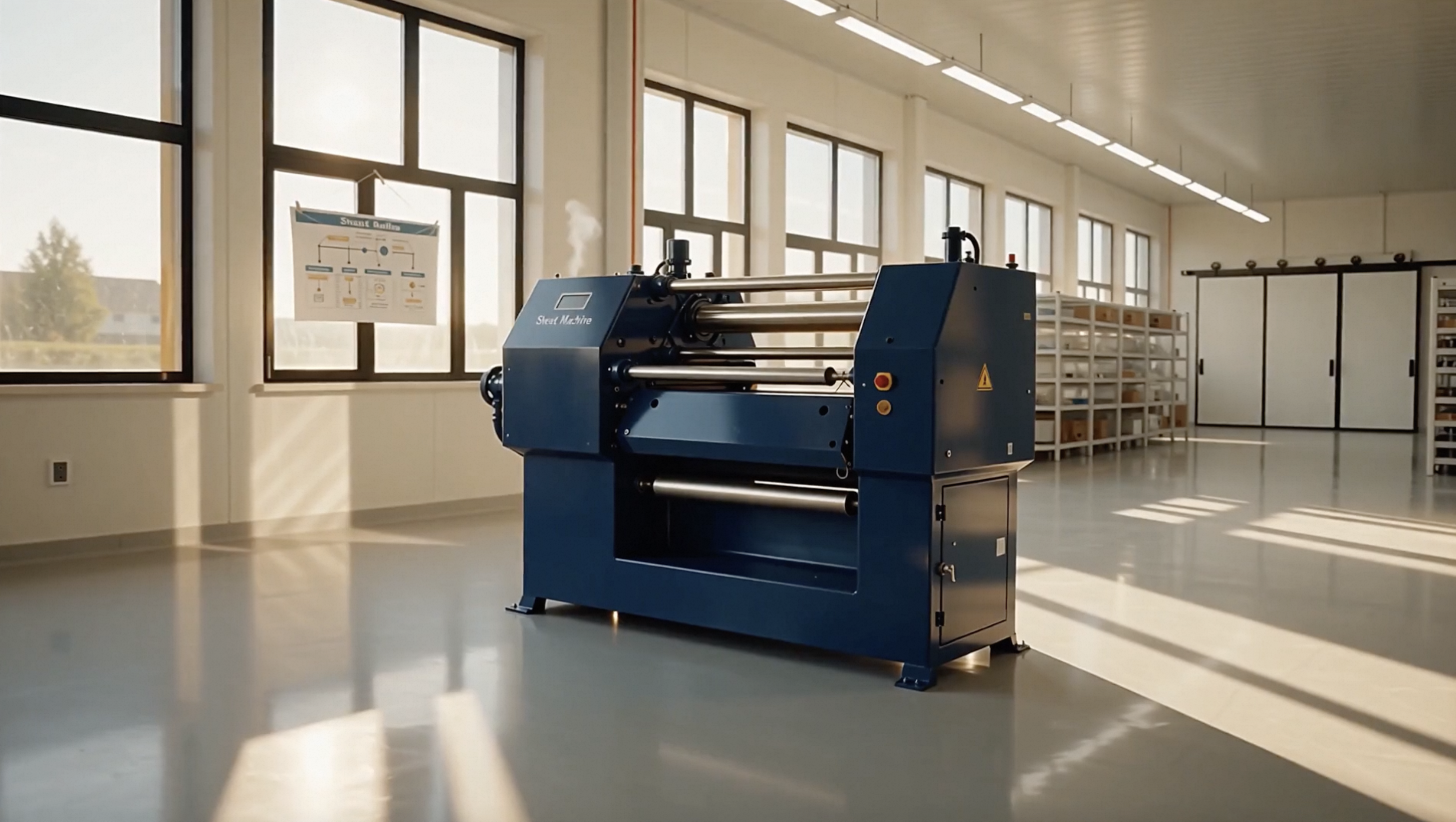
Many buyers in healthcare-related supply chains ask a new question: can we produce biodegradable packaging while maintaining medical-grade quality systems? If your customers require controlled production, traceability, and documented procedures, you may wonder whether a biodegradable carry bag machine can be operated in an ISO 13485 environment.
This article explains what ISO 13485 means in practice, which machine and process controls are typically required, and how manufacturers can align biodegradable bag production with quality system expectations. It is relevant for:
- biodegradable carry bags manufacturing machine
- biodegradable bag manufacturing machine
- biodegradable bag making machine price
- biodegradable bags manufacturing machine cost
Primary keyword: biodegradable carry bag machine
Related keywords: biodegradable carry bags manufacturing machine, biodegradable bag manufacturing machine, biodegradable bag making machine price, biodegradable bags manufacturing machine cost
1) Clarify the scope: ISO 13485 is about your QMS, not the machine certificate
ISO 13485 is a Quality Management System standard for medical devices. A machine itself is not “ISO 13485 certified” in the way a product can be certified. Instead:
- your organization is certified
- your processes are controlled
- your equipment is validated and maintained
So the right question becomes:
Can this biodegradable carry bag machine be validated, documented, and controlled to meet our ISO 13485 QMS requirements?
In many cases, yes—if you build the right controls around it.
2) What ISO 13485 typically requires from a production machine
In an ISO 13485 environment, you usually need:
- documented work instructions (setup, operation, cleaning)
- traceability of materials and batches
- calibration records for measuring devices
- maintenance schedules and logs
- change control for process parameters
- validation evidence for critical processes (e.g., sealing)
For bag production, heat sealing is often considered a critical process because seal failure can compromise containment.
3) Material traceability: a common weak point in biodegradable projects
Biodegradable materials can vary by:
- supplier blend ratio
- moisture sensitivity
- thermal window
A compliant approach includes:
- incoming material inspection and COA control
- batch labeling and job traveler records
- controlled regrind policy (or no regrind for sensitive packaging)
- defined storage conditions (humidity/temperature)
4) Cleaning and contamination control: designing a practical SOP
Even if your product is not a sterile barrier system, healthcare customers often expect strong hygiene discipline.
Typical requirements:
- defined cleaning schedule and approved cleaning agents
- controlled lubrication points to prevent oil contamination
- dust control around cutting and punching
- segregation of scrap and finished product
Your machine selection should support easy cleaning:
- accessible sealing jaws
- enclosed scrap paths
- smooth surfaces around product contact areas
5) Process validation: sealing window and ongoing verification
A practical validation approach includes:
- defining sealing parameters (temperature, time, pressure)
- establishing acceptable seal strength and leak criteria
- performing IQ/OQ/PQ (installation/operational/performance qualification) where required by your QMS
- running periodic verification (sample testing per batch/shift)
Machines with stable temperature control, repeatable pressure, and parameter locking make validation easier.