 EN
EN
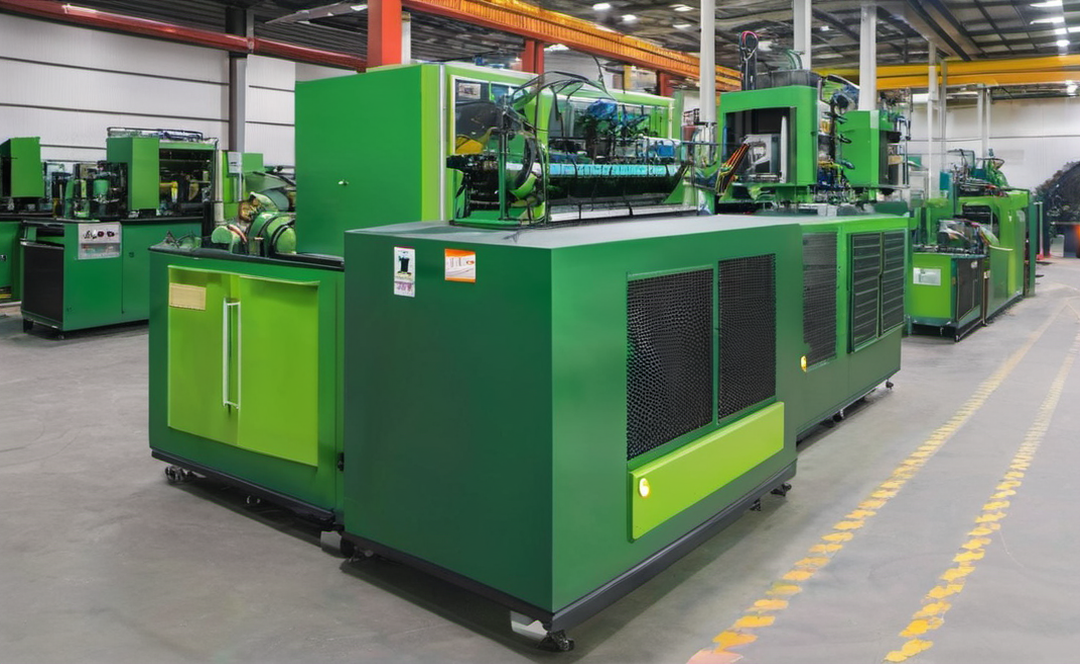
For new manufacturers and small factories, choosing the first packaging line is often a capital allocation decision. Two common paths are:
- start with a small plastic bag making machine for film bags
- invest in a PP woven sack system such as a pp woven bag making machine / woven sack machine
This article compares upfront investment, raw material purchasing, product application markets, and ROI logic—helping beginners choose the route that best fits their budget and target customers.
Primary keyword: small plastic bag making machine
Related keywords: pp woven bag making machine, woven sack machine, woven bag making machine price, pp woven bag machine price
1) Capital cost: what you actually need to start production
Small plastic bag making machine route
Typically requires:
- film supply (buy film externally or invest in film blowing/extrusion later)
- bag making + cutting/stacking
- basic power and compressed air
Entry advantage:
- simpler installation
- lower space requirement
- easier operator training
PP woven bag route
A full woven bag supply chain often includes:
- extrusion + tape line
- weaving looms
- lamination (optional)
- cutting/sewing/valve/printing modules
Entry reality:
- higher system complexity
- more operators and maintenance skill
- higher total investment
2) Raw material purchasing and inventory risk
Plastic bag production often uses:
- HDPE/LDPE/LLDPE pellets and additives (if you blow film)
- or purchased film rolls (lower capex, higher unit material cost)
PP woven production uses:
- PP resin for tapes
- weaving inputs and optional lamination films
- sewing thread, liners (depending on product)
If your market has volatile resin prices or cash flow constraints, starting with a smaller, simpler material system can reduce inventory pressure.
3) Market applications: where each route wins
Small plastic bag making machine products
Common markets:
- retail carry bags
- courier bags and protective packaging
- small packaging for consumer goods
- short-run custom orders
Strength:
- flexible sizes and fast SKU changes
- suitable for local quick delivery markets
PP woven bag products
Common markets:
- agriculture (rice, grain, fertilizer)
- cement and construction (with liner/lamination)
- bulk packaging and heavy-duty sacks
Strength:
- high load capacity
- strong demand in industrial sectors
4) ROI logic: how to choose the best path
Pick the small plastic bag route if:
- you have many small customers and mixed SKUs
- you need fast changeovers and flexible output
- your labor is limited and you prefer simpler operations
Pick the woven sack route if:
- your customers demand heavy-duty sacks
- you can commit to larger order volumes
- you have budget for a multi-process production system
5) How to evaluate woven bag making machine price fairly
When comparing woven bag making machine price or pp woven bag machine price, confirm:
- whether the quote includes tape line + weaving + conversion or only one section
- capacity assumptions (kg/h or bags/day)
- automation level (cutting, sewing, stacking)
- spare parts and maintenance support