 EN
EN
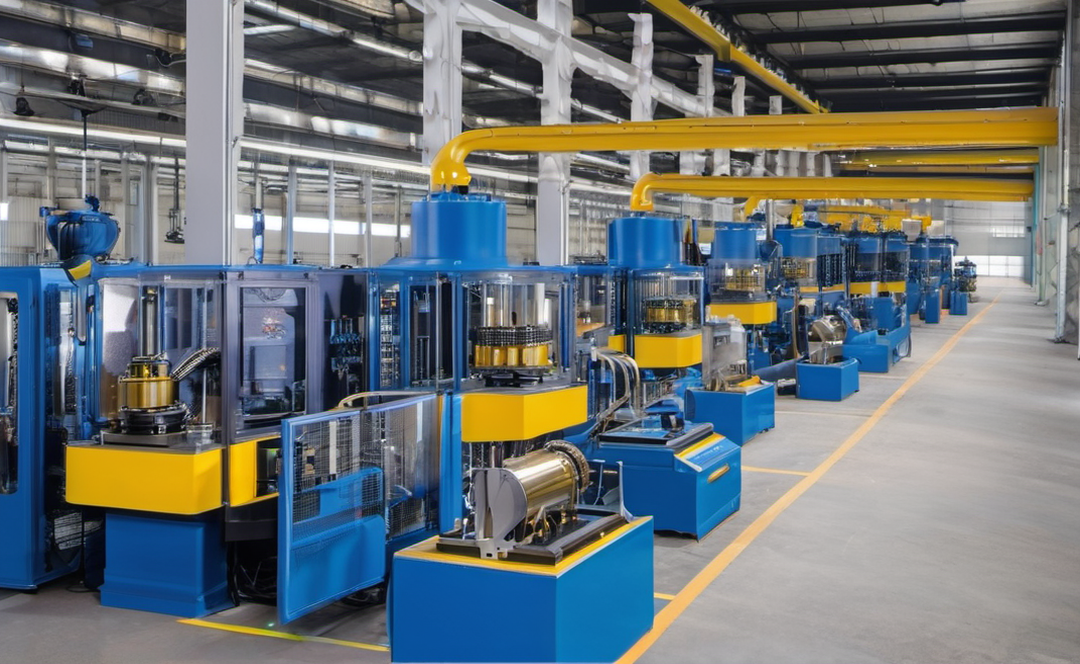
A small plastic bag making machine is typically designed for thin, flexible films—PE/PP rolls, light tension, and high-speed sealing/cutting cycles. But in many factories, management wants more from existing assets: “Can we retrofit this machine to cut rubber sheets?” In practice, the answer can be yes, but only if you treat the project as a real engineering retrofit—not a simple blade replacement.
This deep technical article explains how to convert or retrofit a small bag machine into a rubber sheet cutting solution, including knife material selection, feeding system modification, pressure/drive upgrades, and safety guarding. It also helps you compare the retrofit economics against buying a dedicated rubber sheet machine, rubber sheet cutter, or evaluating rubber sheet machine price and sheet cutting machine price in the market.
Primary keyword: small plastic bag making machine
Related keywords: rubber sheet machine, rubber sheet cutter, rubber sheet machine price, sheet cutting machine price
1) Why factories retrofit bag machines for rubber sheet cutting
Retrofitting usually happens for three reasons:
- Asset reuse: a small bag machine is underutilized due to seasonal demand.
- Short-run cutting: rubber sheets need frequent size changes and small batches.
- Cost/space constraints: a dedicated rubber cutting line may require higher budget or larger floor space.
However, rubber is not “just thicker plastic.” Rubber sheet cutting introduces:
- higher cutting force and different blade geometry needs
- stronger feeding traction requirements
- higher risk of operator injury due to higher mechanical forces
- different scrap behavior (rubber does not behave like film)
A retrofit must solve these differences systematically.
2) Rubber vs plastic film: the engineering differences that matter
Before modifying a machine, understand the material behavior:
- Elastic recovery: rubber stretches and rebounds; film behaves more plastically.
- High friction: rubber can stick to rollers and guides, causing feeding drift.
- Thickness variability: many rubber sheets have higher thickness tolerance than film, impacting cut consistency.
- Cut edge quality: rubber may tear if blade geometry or pressure is wrong.
If you retrofit without addressing these behaviors, you’ll face:
- length inaccuracy
- jagged edges or tearing
- frequent jams and downtime
- dangerous manual intervention by operators
3) Decide your cutting method: guillotine, rotary, or die cutting?
A plastic bag machine typically uses a hot knife or cold knife designed for thin film. Rubber sheet cutting may need a different approach.
A) Guillotine (shear) cutting
Pros:
- excellent straight cut quality
- strong for thicker rubber
Cons: - higher mechanical force required
- cycle-based operation may limit speed
B) Rotary cutting
Pros:
- continuous operation possible
- good for specific thickness ranges
Cons: - blade maintenance is more demanding
- sensitive to rubber hardness and thickness variation
C) Die cutting / punching (for shapes)
Pros:
- repeatable shape cutting
Cons: - tooling cost and force requirements can be high
Retrofit reality: many small bag machines can be upgraded toward a guillotine-style or reinforced cold-knife cutting system, but you must check frame rigidity and drive capacity.
4) Blade selection: the fastest way to improve or destroy performance
Blade choice is central in rubber cutting.
Key factors:
- rubber hardness (Shore A)
- thickness range
- desired edge quality (no tearing, minimal burr)
- cutting frequency (cycles/day)
Blade material options (typical):
- high-speed steel (HSS) for general industrial use
- carbide edge for longer life and abrasive compounds
- coated blades for certain adhesive rubber surfaces
Blade geometry matters:
- rake angle, clearance angle, and edge radius influence whether rubber shears or tears
- too blunt: compression and tearing
- too sharp with poor support: chipping and fast wear
Practical recommendation: define a blade maintenance plan (inspection, sharpening intervals, spare blades) before launching production. Blade wear is usually the #1 cause of “cutting defects” in rubber projects.
5) Feeding system redesign: from film tension to traction control
Film feeding relies on low tension and slip control. Rubber needs traction and anti-slip feeding.
Common feeding upgrades:
- replace smooth rollers with high-friction coated rollers (rubber-coated or knurled where appropriate)
- add a driven nip roller pair to prevent sheet slip
- improve sheet guiding with anti-snag surfaces and correct roller diameter
- add encoder-based length measurement on the traction roller (not on a slipping roller)
If the sheet is sticky or elastic, a dancer system designed for film can become unstable. Rubber cutting retrofits often require:
- lower speed but higher force stability
- stronger pull system with controlled acceleration
- controlled clamping before cutting (to prevent rebound)
6) Drive and mechanical upgrades: ensure the machine can handle cutting force
Even if the cutting blade is correct, the machine may not be strong enough.
Check and upgrade where necessary:
- frame rigidity (deflection under load causes cut angle drift)
- bearing capacity in cutting station
- actuator type (pneumatic may be insufficient; hydraulic or servo-driven may be needed)
- transmission backlash (causes inconsistent cut position)
If your goal is industrial-level output, it may be more economical to buy a dedicated rubber sheet cutting machine. But for small batches and flexible orders, a retrofit can work—if you engineer it properly.
7) Safety upgrades: non-negotiable when cutting rubber sheets
Rubber cutting increases risk due to higher force and more manual clearing interventions.
Safety measures to implement:
- fixed guards around cutting area
- interlocked doors for maintenance access
- emergency stop buttons at operator stations
- two-hand control or safety light curtain (depending on design)
- lockout/tagout (LOTO) procedure and maintenance mode
A retrofit should also include:
- clear “safe threading/feeding” method
- jam recovery procedure
- operator training and signage
8) Retrofit vs new equipment: how to compare costs realistically
Many buyers compare retrofit cost against:
- rubber sheet machine price
- sheet cutting machine price
- rubber sheet cutter module cost
A fair comparison uses total cost of ownership (TCO):
- retrofit hardware + installation + downtime
- speed and defect rate
- maintenance and blade cost
- safety compliance cost
- flexibility benefits (fast changeover)
Often, retrofit wins when:
- order volume is moderate
- products are diverse and batch size is small
- floor space is limited
- you already have skilled maintenance staff