
 EN
EN
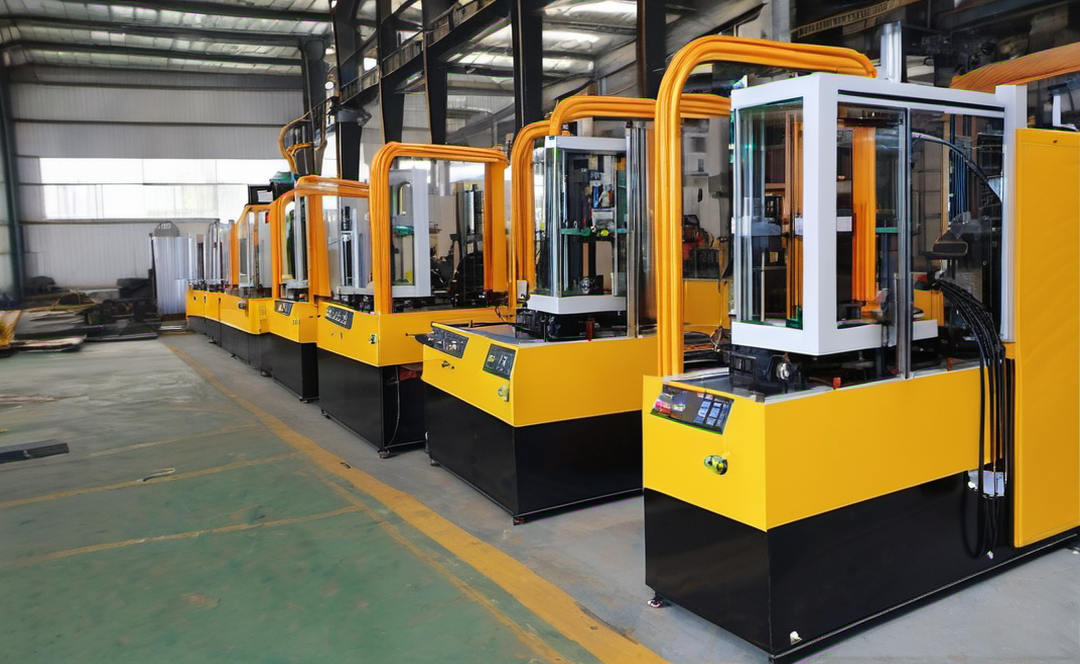
For small and mid-size factories—or entrepreneurs entering packaging—flexibility often matters more than maximum speed. A small plastic bag making machine can be an “entry-level profit tool” when it’s chosen correctly: quick to change over, easy to maintain, and capable of handling small custom orders without long downtime.
This guide explains how to evaluate a small bag line for real-world business use, including how it relates to upstream equipment like a plastic sheet extruder, and how to interpret market searches such as 50 kg plastic bag making machine price or general bag machine price.
1) What “Small” Really Means
Small machines are usually defined by:
- lower output capacity
- smaller footprint
- simpler automation
- faster installation and lower utility requirements
But the best small machines are not “cheap versions”—they are designed for fast changeover and stable quality.
2) Why Fast Changeover Drives Profit
If your business wins orders by offering:
- multiple sizes
- different thickness
- small MOQs
then changeover time is your hidden cost. Look for:
- recipe settings (length, speed, sealing temp)
- easy tooling adjustment
- quick roll loading design
3) Biodegradable and Specialty Films: What to Ask
If you plan to run biodegradable films, confirm:
- sealing temperature range and stability
- film feeding slip control
- anti-static options
Some biodegradable films have narrower sealing windows than PE.
4) How to Read “Bag Machine Price” Quotes
When you compare bag machine price:
- confirm included modules (stacking, counting, perforation)
- check stable speed vs max speed
- ask about spare parts list and lead time
A machine that runs slower but stable may be more profitable than a faster machine with high scrap.