
 EN
EN
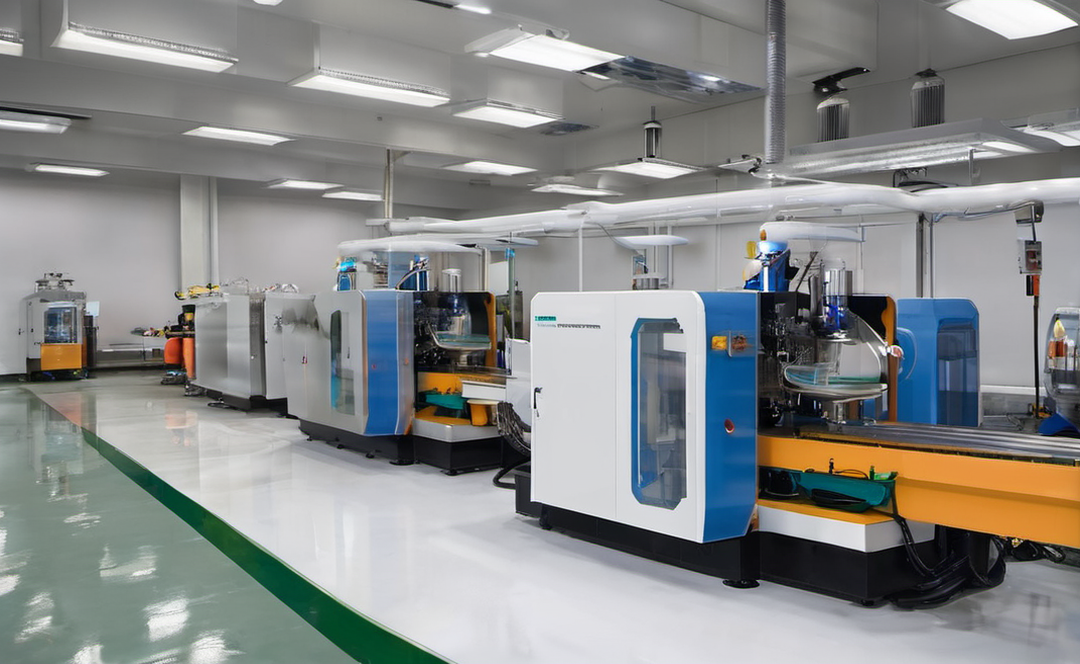
An EPE foam sheet extruder is not a standard plastic sheet line. It is a controlled foaming system where gas injection stability, nucleation behavior, pressure control, and cooling determine whether you produce uniform, high-value cushioning sheet—or scrap.
This deep technical article explains foaming fundamentals and practical controls for:
- pe foam sheet extruder
- epe foam sheet extruder
-
foam sheet extrusion
It also touches on how downstream finishing choices affect total cost, including sheet cutting machine price considerations.
Primary keyword: sheet extruder
Related keywords: pe foam sheet extruder, epe foam sheet extruder, foam sheet extrusion, sheet cutting machine price
1) What defines “good” EPE foam sheet
Key quality metrics include:
- density stability (kg/m³)
- uniform cell size (no large voids)
- thickness consistency
- rebound and cushioning performance
- surface finish suitable for laminating or packaging use
Most defects come from unstable gas dispersion or unstable cooling—not from “wrong resin.”
2) Physical foaming basics: pressure drop + dissolved gas + controlled nucleation
In physical foaming, gas is dissolved into the polymer melt under pressure. When the melt exits the die and pressure drops, gas expands and forms cells.
Stability depends on:
- consistent gas dosing
- uniform mixing after injection
- stable melt temperature and viscosity
- controlled pressure drop through die and calibration
- cooling speed to “freeze” cell structure before collapse
3) Gas injection and dosing: stability beats maximum gas
Common production issues include:
- cell size variation
- density drift
- collapse at edges
- surface roughness
These often trace back to:
- gas flow fluctuation
- poor injection point design
- inadequate mixing after injection
- pressure oscillation from feeding or filtration changes
A professional foaming system uses:
- stable dosing control (mass flow logic)
- correct injection position (fully plasticized melt)
- mixing strategy that disperses gas without excessive shear heating
4) Screw design: the heart of foam stability
A foam screw must provide:
- efficient melting and uniform temperature
- strong mixing capability (especially after gas injection)
- stable metering zone pressure
- reduced dead spots to avoid degradation and bubbles
If mixing is insufficient:
- gas forms uneven pockets
- cells become large and weak
- sheet density varies across width
If shear is too high:
- melt overheats
- cells coalesce
- sheet becomes weak and unstable
Screw design must match:
- target density range
- output kg/h
- resin and additive system
5) Die and calibration: controlling thickness and preventing collapse
The die influences:
- pressure stability
- flow distribution across width
- expansion uniformity
Calibration and cooling determine:
- when cells “freeze”
- thickness uniformity
- surface finish and flatness
Uneven cooling leads to:
- curl
- density gradient
- rough surface zones
6) Practical troubleshooting map (fast reference)
- Large cells: unstable gas dosing, melt too hot, poor mixing
- Collapse/shrink: insufficient cooling, pressure drop too fast
- Density variation: die temperature imbalance, uneven cooling
- Rough surface: unstable expansion or overheating
- Thickness drift: upstream pressure fluctuation, haul-off tension issues