
 EN
EN
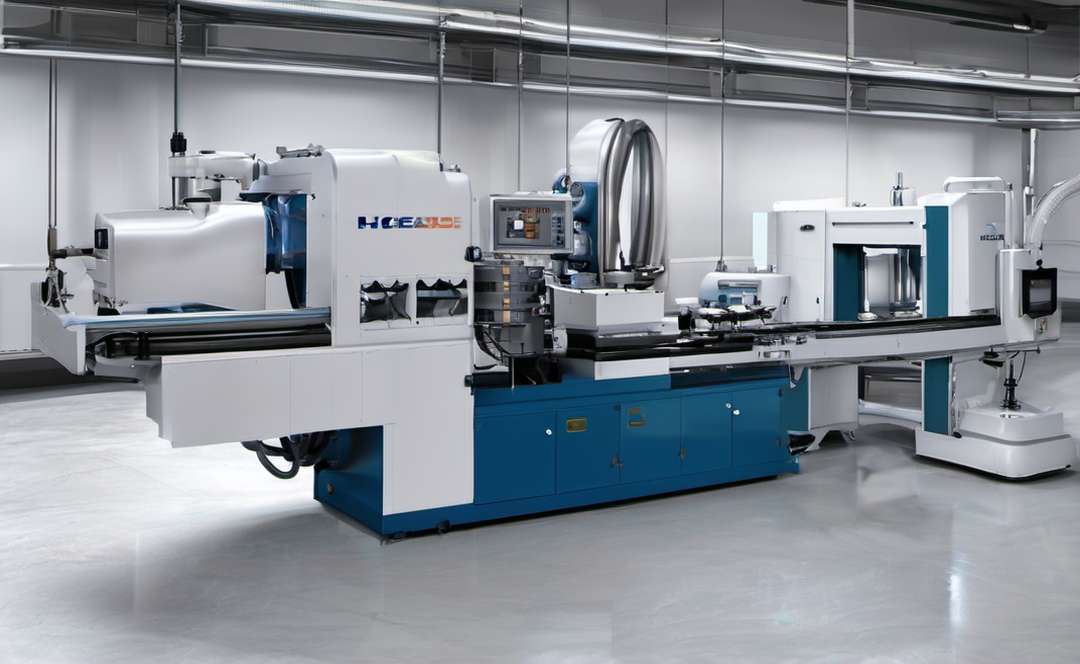
When you search for a plastic bag making machine price, you’ll see large ranges that can confuse first-time buyers—especially micro and small businesses. The truth is that the machine invoice is only one part of the investment. Your real success depends on whether the equipment can generate stable output with predictable scrap, labor, and downtime.
This article explains how small factories should evaluate plastic bag making machine price using ROI and break-even logic. It also covers common comparison keywords such as poly bag making machine price, polythene bag making machine price, carry bag making machine price, and bag making machine price.
Primary keyword: plastic bag making machine price
Related keywords: poly bag making machine price, polythene bag making machine price, carry bag making machine price, bag making machine price
1) Why the “cheapest price” often costs more later
Two machines with similar “max speed” can differ greatly in:
- stable speed on your film thickness
- scrap rate during startup and roll changes
- labor needed to keep production stable
- maintenance frequency and spare part cost
- after-sales support quality
For small businesses, a few hours of downtime per week or 2–3% extra scrap can destroy profit.
2) Total investment cost: what to include beyond the quote
Your total project cost usually includes:
- machine price
- freight, insurance, import duties
- installation and commissioning
- operator training
- spare parts kit and consumables (blades, sealing pads, PTFE tape)
- utilities upgrade (power, compressor, space layout)
Always ask suppliers what is included vs excluded—especially stackers, EPC, servo systems, and safety guarding.
3) A simple ROI calculator for micro factories
Use these basic inputs:
A) Monthly good output (bags/month)
= stable bags/hour × working hours/day × working days/month × (1 − scrap rate)
B) Gross margin per bag
= selling price − film cost − packaging cost − variable overhead
C) Monthly fixed costs
- labor
- electricity
- maintenance
- rent
- financing
Monthly profit
= (gross margin per bag × monthly good output) − monthly fixed costs
Break-even months
= total investment / monthly profit
This model helps you compare machine options objectively.
4) What drives ROI the most (in real factories)
For small manufacturers, ROI is usually driven by:
- stable speed (not brochure speed)
- scrap rate (especially at startup)
- operator count per shift
- changeover time if you run many SKUs
- downtime and spare parts availability
A higher price machine can pay back faster if it reduces:
- one operator per shift
- 2% scrap
- 10 hours of downtime per month
5) How to compare poly bag and carry bag machine prices fairly
When comparing poly bag making machine price or carry bag making machine price, confirm:
- bag type (T-shirt/flat/handle/punching required)
- film thickness and width range
- automation included (counting, stacking, punching)
- stable speed evidence and defect rate
- warranty scope and service response time
This avoids “cheap quote, expensive reality.”