
 EN
EN
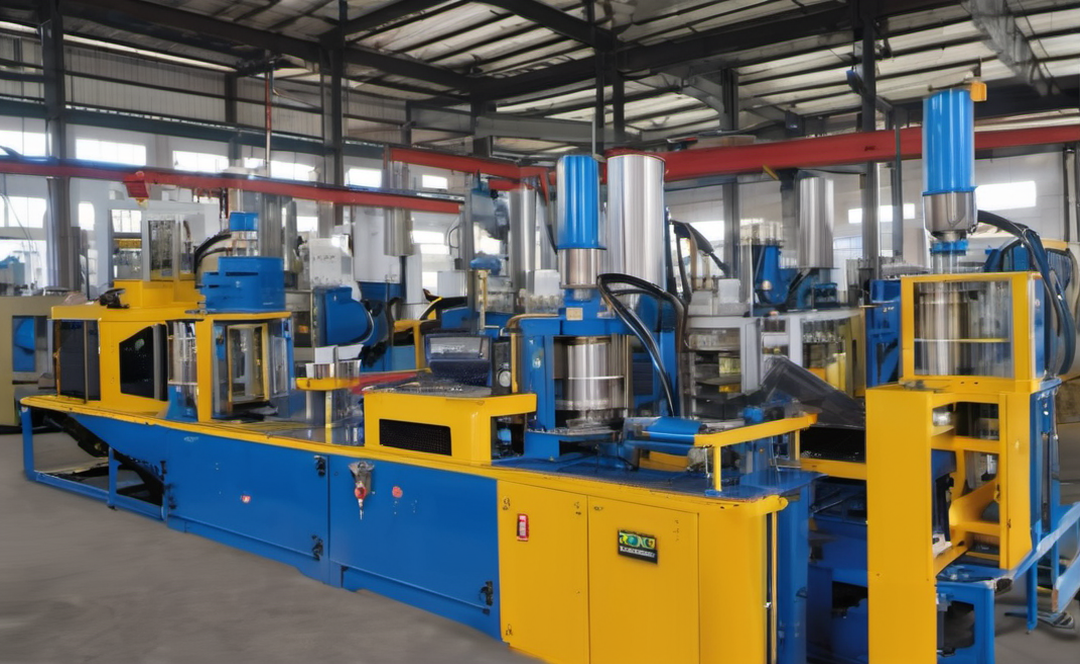
Servo-hydraulic injection molding machines combine the high force and robustness of traditional hydraulic systems with the precision, responsiveness, and energy savings of servo-driven pumps. This hybrid approach delivers many advantages for processors who need both high clamp forces and fine process control across demanding applications.
Benefits
- Improved energy efficiency: Servo pumps only draw full power when required and can recover energy during deceleration, often reducing energy consumption significantly compared to fixed-displacement hydraulic systems.
- Better process control and repeatability: Servo-driven hydraulics provide faster response and finer regulation of injection speed, pressure, and holding profiles, improving part consistency and reducing cycle-to-cycle variation.
- Higher throughput and shorter cycle times: Rapid, programmable movements and optimized pressure control let you accelerate non-critical motions without sacrificing precision during critical fill and pack phases.
- Lower noise and heat: Variable displacement reduces continuous pump noise and lowers heat generation in the hydraulic circuit, easing cooling requirements.
- Robust force capability: Because the system still uses hydraulic cylinders, it provides large clamp forces for thick-walled parts, multi-cavity molds, and high-pressure applications that fully electric machines may struggle with.
Common applications
- Automotive structural components and under-the-hood parts that require high clamp force and repeatable molding.
- Large technical or thick-walled parts in appliances and industrial equipment.
- Overmolding and insert molding where precise control over injection and packing is critical.
- High-volume commodities where energy savings and consistent cycle times improve profitability.
Maintenance tips for long-term reliability
- Maintain hydraulic fluid quality: Check and change oil per manufacturer intervals; monitor contamination, viscosity and water content. Use recommended hydraulic fluid grades.
- Replace filters and breathers regularly: A clean filtration system prevents pump wear and contamination of valves and actuators.
- Inspect seals, hoses and fittings: Look for leaks or softening; replace aging components before failure.
- Monitor servo drives and motors: Check encoder feedback, cooling, and electrical connections; watch for overheating or unusual vibration.
- Calibrate sensors and valves: Periodic calibration of pressure transducers, temperature sensors and proportional valves keeps control accuracy high.
- Implement condition monitoring: Log pressures, motor currents and cycle trends to detect wear early; consider vibration or oil-analysis programs for predictive maintenance.
- Keep spare parts and a service plan: Stock critical items (seals, filters, valves) and establish a support contract to minimize downtime.
Conclusion
Servo-hydraulic machines offer a balanced solution when both high force and precise control are required. Proper maintenance, monitoring and operator training extend service life and maximize the performance and energy benefits of these hybrid systems.