
 EN
EN
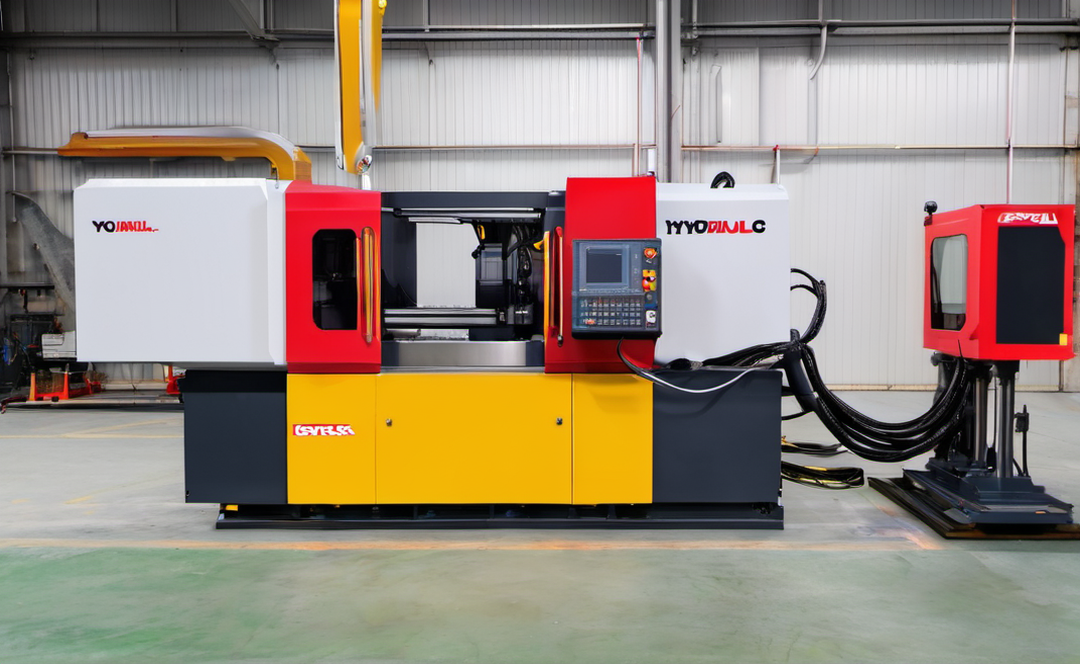
Rubber mixing mills are core equipment in rubber compounding, used to mix, plasticize and homogenize polymers, fillers, and additives. Proper operation, strict safety protocols, and continual optimization are essential to produce consistent compounds while protecting operators and extending machine life.
Operation fundamentals
Start with a thorough pre-start checklist: inspect roll surfaces, check lubrication, verify belt tension, confirm that nip gap and roll temperatures are set according to the recipe, and ensure emergency stops and guards are functional. Typical mixing steps include charging the mastication material, feeding fillers and additives in staged sequences, and performing off-roll passing or folding to achieve uniform dispersion. Control roll speeds and feed rates to avoid overheating or excessive shear, and use consistent batch weights and sequence timing for repeatability.
Safety best practices
- Machine guarding: Keep fixed and interlocked guards in place around nip points and drive systems. Never bypass safety interlocks.
- Personal protective equipment (PPE): Operators should wear cut-resistant gloves, safety glasses, hearing protection, and flame-resistant clothing where required.
- Safe handling: Use tools or paddles for removing material—never hands. Follow lockout/tagout (LOTO) procedures during maintenance.
- Training and procedures: Provide formal training on startup, shutdown, emergency stop, and safe clearing of jams. Post clear signage and maintain a controlled access area around running mills.
Optimization tips
- Temperature management: Maintain roll surface temperatures within the specified range; install accurate thermocouples and consider cooling circuits for heat-sensitive compounds.
- Roll speed ratio and nip gap: Adjust ratios to balance shear and residence time; fine-tune nip gap for effective kneading without slippage.
- Feed strategy and sequencing: Stage fillers and curatives to prevent premature vulcanization and to improve dispersion—use masterbatches when suitable.
- Preventive maintenance: Regularly check bearings, gearboxes, and hydraulic systems; dress roll surfaces to prevent glazing and contamination.
- Process monitoring: Track torque, power draw, batch weights, and temperatures; analyze trends to spot wear or formulation issues early.
Quality control and documentation
Keep batch records, including ingredient lot numbers, temperatures, roll settings, and pass counts. Use small-scale trials when changing formulations and validate compound properties through rheometry and physical testing.
Conclusion
Safe, consistent operation of rubber mixing mills combines disciplined procedures, ongoing operator training, and data-driven optimization. Focused maintenance and careful process control reduce downtime, improve compound quality, and extend equipment life.