
 EN
EN
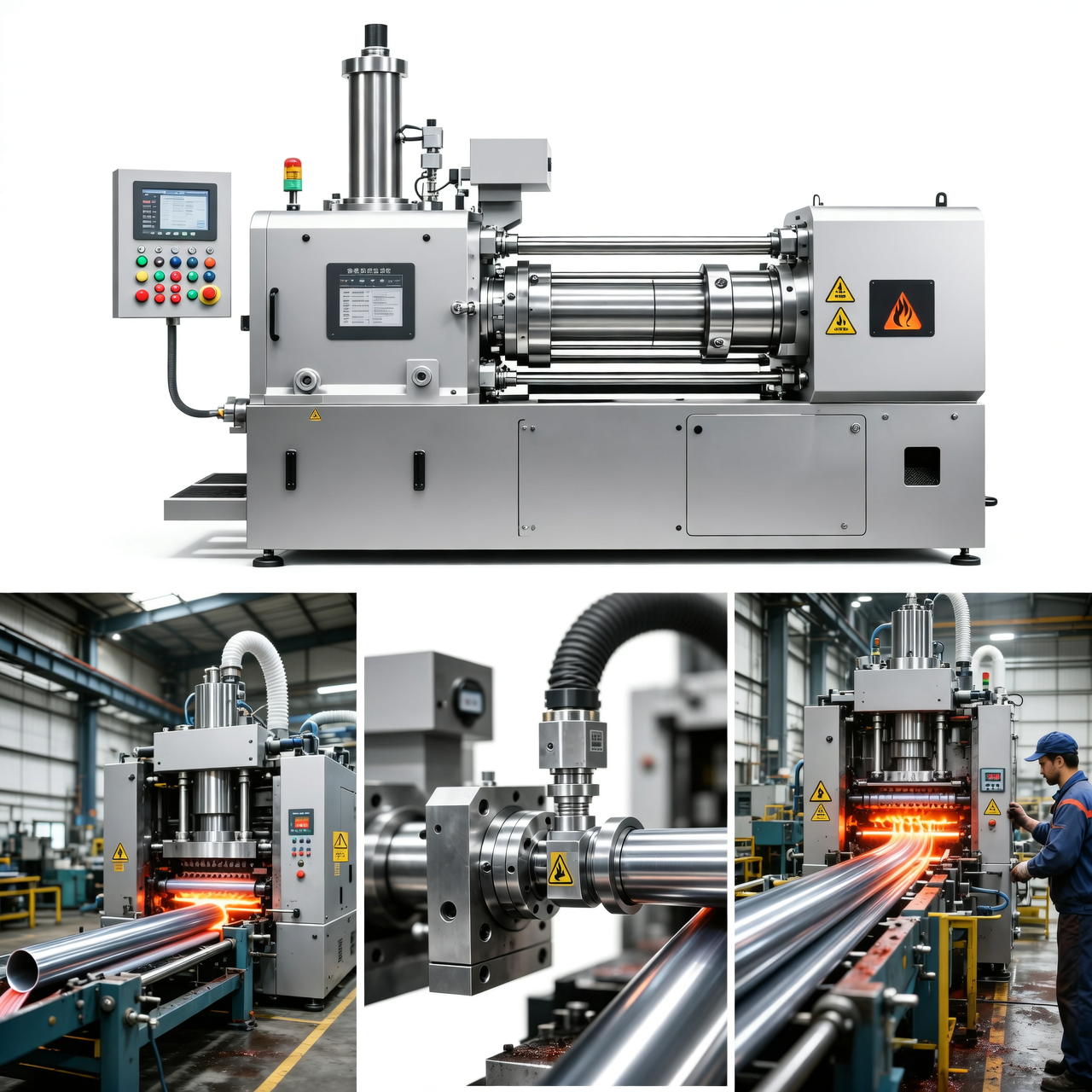
A high-quality rubber sheet is not defined only by thickness. Buyers judge rubber sheets by flatness, surface finish, elasticity, compression set, tensile strength, and consistency from roll to roll. For manufacturers, achieving those properties at scale depends on one core capability: stable continuous vulcanization control.
This deep guide explains how a modern rubber sheet machine achieves consistent results through temperature–pressure curve control, dwell time management, and downstream finishing. It also covers how to select or evaluate a rubber sheet cutter, a rubber sheet cutting machine, and what typically drives rubber sheet machine price in real projects.
Primary keyword: rubber sheet machine
Related keywords: rubber sheet cutter, rubber sheet cutting machine, rubber sheet making machine, rubber sheet machine price
1) What “continuous vulcanization” means in rubber sheet production
Vulcanization is the crosslinking reaction that turns a soft rubber compound into a stable elastomer with the required mechanical properties. In sheet production, continuous vulcanization means the rubber sheet is cured in a continuous process rather than batch presses. Typical continuous approaches include:
- Drum vulcanization (rotary drum, continuous curing)
- Continuous hot-air / IR / microwave-assisted systems (depending on compound)
- Continuous press / double-belt concepts (in some high-end lines)
Regardless of the platform, the engineering goal is the same: maintain a repeatable cure profile across sheet width and along machine direction.
2) The three variables that control cure quality: temperature, pressure, and time
Rubber curing is extremely sensitive. Small deviations cause under-cure (soft, tacky, poor strength) or over-cure (brittle, poor tear resistance, excessive shrinkage).
A) Temperature profile (multi-zone control)
A rubber sheet rarely cures correctly with a single “set temperature.” Good lines use zoned heating so the sheet experiences a controlled ramp-up, stable cure zone, and exit stabilization.
What to measure/monitor:
- actual surface temperature vs heater setpoint
- temperature uniformity across width (edge vs center)
- thermal lag due to sheet thickness changes
Common problems:
- center hotter than edges → uneven mechanical properties
- rapid overheating → blistering, surface defects, scorch risk
B) Pressure curve (contact pressure stability)
In drum or belt-contact systems, pressure affects:
- heat transfer efficiency
- surface smoothness (gloss / texture)
- thickness stability and flatness
If pressure fluctuates, you may see:
- thickness banding
- surface waviness
- inconsistent cure due to variable heat transfer
C) Residence time (line speed and dwell time)
In continuous systems, line speed = cure time. If you increase speed without adjusting temperature and pressure, you risk under-cure. If you slow down without control, you can over-cure.
A stable process uses:
- speed recipes by thickness/compound
- synchronized heating adjustments
- controlled start/stop logic to avoid scorch during line interruptions
3) Crosslink density: the “hidden” KPI behind rubber sheet consistency
Many defects are not “surface problems,” but crosslink density problems.
- Low crosslink density → tackiness, poor tensile, high compression set, deformation
- High crosslink density → brittleness, cracking, lower elongation, shrinkage issues
What influences crosslink density in continuous lines:
- compound formulation and mixing quality
- temperature stability (especially edges)
- pressure/contact consistency
- real dwell time, including micro-stops
Practical factory approach:
- define acceptance targets (hardness, tensile, elongation, compression set)
- correlate targets to a stable vulcanization recipe
- lock recipes to thickness + compound family + ambient season factors (if needed)
4) Why flatness and surface finish depend on curing control (not only calendering)
Many producers focus on calendering and think curing is just “final heating.” In reality, curing strongly affects:
- shrinkage behavior (uneven shrinkage creates curl)
- internal stress release (stress gradients warp the sheet)
- surface replication quality (pressure and contact define gloss/texture)
To improve flatness:
- maintain consistent sheet tension through curing and cooling
- avoid edge temperature extremes
- stabilize exit cooling so the sheet “sets” evenly
5) Process layout: from compound to finished sheet
A typical rubber sheet line includes:
- compound feeding (mixer output, warmed stock)
- calendering / sheet forming
- continuous vulcanization (drum/belt/hot-air depending on design)
- cooling and tension control
- edge trimming (optional)
- winding or sheeting
- cutting (length cutting / slitting)
The key point: instability in any upstream module creates curing instability. For example:
- calender thickness fluctuation → uneven heat penetration
- moisture/contamination → blisters or surface pinholes
- inconsistent tension → stretching and thickness drift during cure
6) Temperature–pressure curve control: how advanced lines achieve repeatability
High-end rubber sheet machines implement closed-loop thinking even if the hardware is mechanical.
Look for:
- multi-zone temperature control with fast-response sensors
- stable pressure control components (pneumatic/hydraulic with low fluctuation)
- recipe-based control (thickness, compound, speed linked)
- alarms for deviation (temperature delta across width, pressure drop, speed changes)
For drum vulcanization lines specifically:
- drum surface condition and cleanliness strongly affect heat transfer
- drum runout/vibration can create thickness and surface marks
- insulation and energy management affect stability during long runs
7) Cooling strategy: preventing warpage and maintaining dimensions
Cooling is not only “make it safe to touch.” It locks in dimensions and prevents:
- curl and wave
- shrinkage variation
- surface imprint defects
Best practices:
- staged cooling (avoid thermal shock for certain compounds)
- stable tension at exit (avoid pulling hot rubber)
- clean cooling rollers to prevent contamination imprint
8) Cutting and finishing: choosing the right rubber sheet cutter
After producing stable rubber sheet, finishing determines usability and packaging efficiency.
Rubber sheet cutter vs rubber sheet cutting machine
In market terms:
- rubber sheet cutter often refers to a cutting unit/module
- rubber sheet cutting machine usually implies a complete cutting system with feeding, measuring, and stacking
Key selection factors:
- sheet thickness range and hardness
- required cut length tolerance
- edge quality (no tearing, no deformation)
- blade type and changeover speed
- automation level (counting, stacking, palletizing)
Common cutting problems and causes:
- ragged edges → dull blade, wrong blade angle, wrong clamp pressure
- length drift → encoder slip, unstable feeding tension
- sheet distortion near cut → cutting too hot, insufficient support, incorrect nip pressure
9) Quality control plan: what to test to prove stable curing
A practical QC checklist for continuous rubber sheet includes:
Mechanical properties:
- hardness (Shore A/D)
- tensile strength, elongation
- tear strength
- compression set (if sealing applications)
Dimensional and surface checks:
- thickness across width (profile)
- flatness / curl measurement after conditioning
- surface finish (gloss, pattern uniformity)
- defect mapping (blisters, pinholes, contamination marks)
Process monitoring:
- temperature logs per zone
- pressure trend logs
- speed and stop events (micro-stop tracking)
10) What impacts rubber sheet machine price (and how to compare quotes fairly)
Buyers frequently search:
- rubber sheet machine price
- rubber sheet making machine
- rubber sheet cutting machine
Large price differences typically come from:
- curing method (drum/belt/hot-air, degree of automation)
- heating zone count and sensor quality
- pressure control stability and mechanical rigidity
- width capability and thickness range
- line speed at stable cure (not only maximum speed)
- cutter automation (length accuracy, stacking)
- electrical brands, safety system, and documentation level
When comparing, ask suppliers to quote based on:
- same width, thickness range, and compound type
- same mechanical property targets
- guaranteed stable output rate (kg/h) with tolerance definitions
11) Practical troubleshooting: common defects and the fastest checks
Problem: sheet is wavy or curled
Likely causes:
- uneven cooling
- tension imbalance
- edge temperature differences
Quick checks: - measure thickness profile, temperature delta, tension settings, cooling roller condition
Problem: soft spots or inconsistent hardness
Likely causes:
- uneven cure temperature, speed fluctuation
Quick checks: - zone temperature logs, line speed variations, dwell time changes during stops
Problem: surface blisters / bubbles
Likely causes:
- moisture/volatile contamination, overheating, poor venting
Quick checks: - compound quality, drying/storage, temperature ramp rate
Problem: surface marks repeating
Likely causes:
- drum/roller damage, contamination on contact surfaces
Quick checks: - inspect drum/roller surface, cleaning cycle, runout/vibration