
 EN
EN
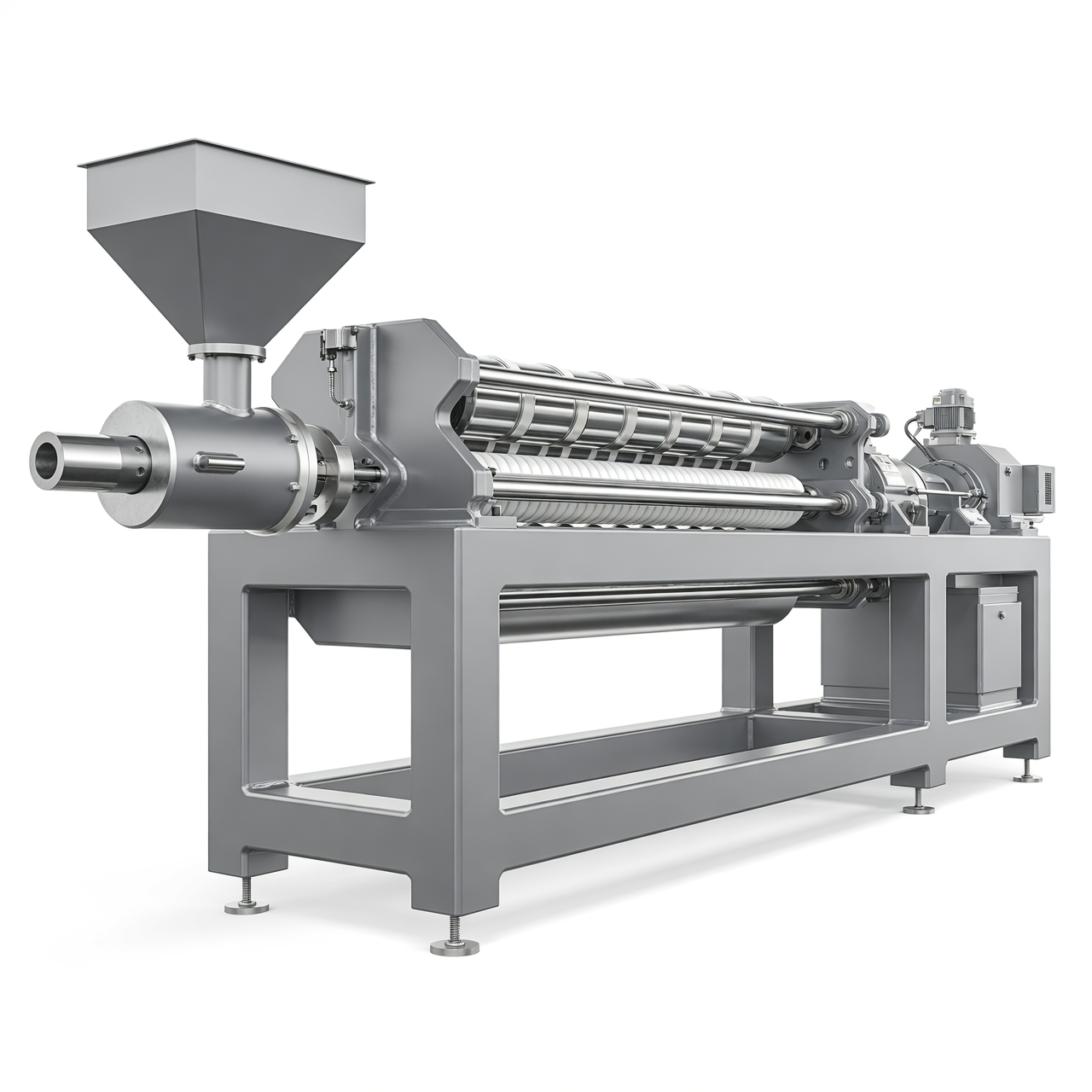
Flexible drink packaging is evolving quickly. In many markets, straw pouches and spout-style pouches are replacing rigid bottles for convenience, shipping efficiency, and branding. But adding a straw/spout insertion step introduces new technical challenges: precise feeding, accurate positioning, strong sealing, and stable performance at high speed.
This deep guide explains how a pouch manufacturing machine integrates straw/spout insertion modules, why defects occur (misfeed, seal leaks, skew), and what to look for when buying equipment—especially if you compare:
- water pouch making machine
- medical pouch making machine
- silver foil pouch making machine
- aluminum foil pouch making machine price
Primary keyword: pouch manufacturing machine
Related keywords: water pouch making machine, medical pouch making machine, silver foil pouch making machine, aluminium foil pouch making machine price
1) Why straw/spout pouches are gaining market share
Compared with rigid packaging, pouches offer:
- lower shipping cost (less air, lower weight)
- better shelf efficiency
- strong branding surface area
- convenience features (straw/spout, easy tear, reclose)
For manufacturers, the opportunity is real—but quality demands rise sharply because insertion defects create immediate consumer complaints.
2) Straw insertion vs spout insertion: clarify the structure first
“Straw pouch” projects may mean:
- inserting a straw into a pre-made channel
- placing a straw and sealing it into a corner
- inserting a spout/fitment (more rigid component) and sealing around it
Each structure requires different:
- feeding method
- positioning accuracy
- sealing design and die geometry
- inspection requirements
3) How a straw insertion module typically works
A standard automated module includes:
- straw feeding (hopper + orienting rails or bowl feeder)
- separation and singulation (one straw per cycle)
- pickup and transfer (vacuum, gripper, or mechanical pusher)
- positioning (registration with web motion and sensors)
- tacking or pre-seal (to hold straw location)
- final heat sealing (integrated with pouch sealing station)
Critical performance metrics:
- feed success rate (misfeed rate per 10,000 cycles)
- placement tolerance (mm)
- seal strength around insertion area
- stable operation at target speed without micro-stops
4) The three most common production issues (and root causes)
Issue A: Straw misfeed or double-feed
Typical causes:
- inconsistent straw length/diameter from supplier
- static attraction and poor separation
- worn separation gates
- vacuum pickup instability (leak, clogged filter)
Fix strategy:
- define straw dimensional tolerance and incoming QC
- improve anti-static and air blowing separation
- use sensor confirmation (presence/position) before sealing
- set preventive maintenance intervals for gates and vacuum parts
Issue B: Heat-seal leakage near the straw/spout zone
Typical causes:
- sealing pressure not uniform around the component
- contamination (dust, liquid, additive bloom)
- wrong temperature curve (too hot burns film; too cold weak seal)
- incompatible laminate structure (foil, PET, PE layers)
Fix strategy:
- redesign sealing die surface and pressure distribution
- add cleaning/air blow before sealing
- tune sealing temperature + dwell time + cooling
- validate film sealing layer compatibility (especially on foil laminates)
Issue C: Positioning drift at high speed
Typical causes:
- web tension fluctuation
- registration sensor instability (print mark detection issues)
- timing mismatch between insertion and web motion
- mechanical backlash in transfer mechanism
Fix strategy:
- upgrade to closed-loop tension control or better dancer system
- improve registration sensor and mark design
- implement servo timing synchronization
- reduce vibration and ensure rigid mounting
5) Material differences: water pouch vs medical vs foil pouches
The pouch type changes machine configuration.
Water pouch making machine
Focus:
- food-contact compliance
- leak-proof seals
- high throughput and low cost per pouch
- stable forming/filling compatibility (depending on customer line)
Medical pouch making machine
Focus:
- clean sealing, traceability
- consistent peel strength (if peelable)
- validation-friendly documentation and repeatability
Silver foil / aluminum foil pouch making machine
Foil laminates add challenges:
- higher stiffness, higher memory
- more sensitive to crease and pinhole risk
- sealing layer management (often PE)
- temperature control must prevent laminate damage
This is why “aluminium foil pouch making machine price” varies: foil-capable lines require stronger web handling, better tension control, and more stable sealing stations.
6) What to look for when buying a pouch manufacturing machine with insertion
Key checklist:
- proven insertion module design at your target speed
- sensor confirmation (presence, position, reject logic)
- sealing station rigidity and uniform pressure control
- quick changeover design for different straw lengths
- scrap handling and jam recovery time
- safety guarding and operator access design
Ask the supplier for:
- stable speed demonstrated with your material + straw sample
- defect rate data (misfeed %, leak % in testing)
- sealing strength test method (ASTM/ISO references if needed)
7) Inline inspection: reducing customer complaints
For straw/spout pouches, consider:
- seal inspection (vision or pressure decay test offline sampling)
- presence detection for straw/spout
- print registration checks
- count accuracy and stacking control
Even basic sensors can dramatically reduce mass scrap when integrated with stop/reject logic.