
 EN
EN
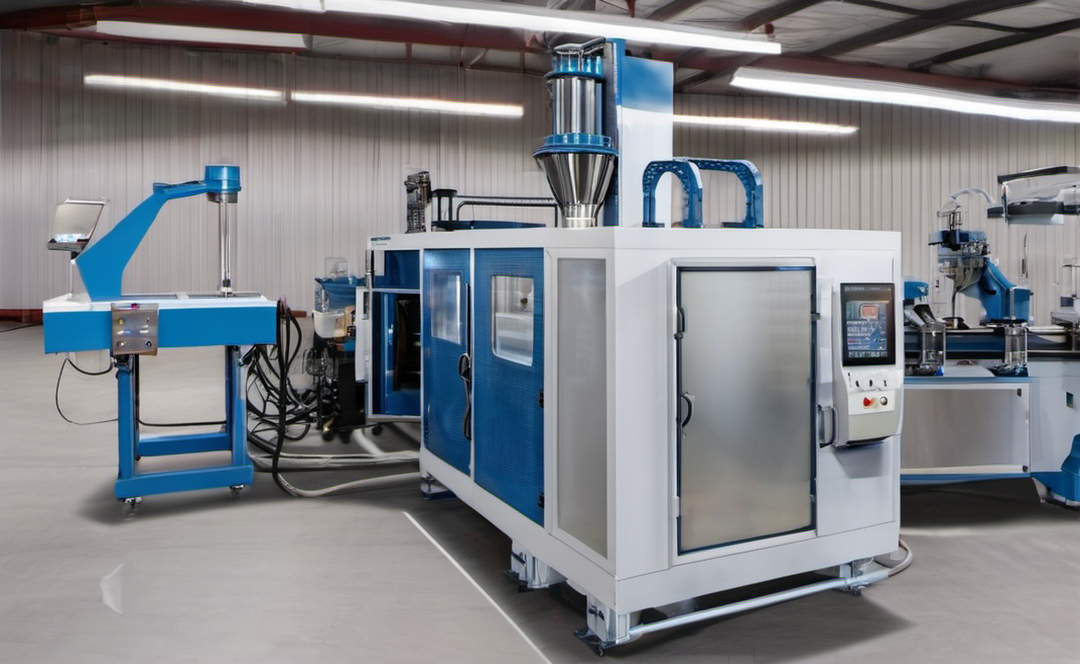
Premium rice brands compete on shelf. The bag is not only “packaging”—it is branding, anti-counterfeiting, and perceived quality. That’s why rice BOPP bags (BOPP laminated woven bags) have become a standard for high-end rice, grains, and food staples in many markets.
But producing consistent, premium BOPP woven bags is not easy. Factories often struggle with:
- print registration drift (misaligned graphics)
- lamination wrinkles and bubbles
- cutting errors and length variation
- inconsistent top hem and bottom stitching
- higher scrap during startup and changeover
From a supply chain procurement manager’s perspective, selecting the right woven sack making machine is a decision that impacts not just output, but brand presentation, customer claims, and profitability. This deep guide explains the production difficulties of BOPP woven bags, the equipment modules that matter most, and a practical RFQ checklist to compare suppliers beyond the headline woven bag making machine price.
1) What Makes Rice BOPP Bags Different from Standard PP Woven Bags
A standard PP woven bag may be unlaminated or PE-laminated with basic printing. A BOPP bag adds:
- a BOPP printed film (high-definition graphics)
- lamination bonding onto woven fabric
- stricter requirements for registration, appearance, and surface quality
This adds complexity in three ways:
- More process steps (printing + lamination + converting)
- Tighter visual tolerances (misalignment is immediately obvious)
- Higher sensitivity to tension and temperature (wrinkles and bubbles destroy premium look)
So equipment selection must prioritize control systems and stability, not only speed.
2) Core Equipment Modules in a BOPP Woven Bag Project
A full rice BOPP bag solution typically includes:
- PP tape line + circular loom (woven fabric)
- BOPP printing (gravure/flexo depending on market)
- lamination machine (BOPP film to woven fabric)
- cutting and bag making (valve/open mouth options)
- liner insertion (optional), stitching, and packing
When buyers search rice bag making machine or woven sack making machine, suppliers may quote only the “bag conversion” part. For procurement clarity, define scope:
- Are you buying lamination + bag conversion, or full line including weaving?
- What bag styles (open mouth, valve, gusseted) and sizes?
- What is required print quality and registration tolerance?
3) The #1 Premium Quality Challenge: Registration Accuracy
Premium rice BOPP bags require print alignment between:
- BOPP film artwork and woven fabric edges
- bag cut position and artwork elements (logos, QR codes, grading marks)
If registration drifts, you get:
- off-center logos
- misaligned back seams
- cut-through of key graphics
- higher rejection at customer inspection
What causes registration drift
- tension fluctuations (unwind/rewind, fabric tension, film tension)
- inconsistent web guiding
- encoder slippage or poor synchronization
- temperature-driven shrink/stretch differences
- poor lamination nip stability
What to require from equipment
- closed-loop tension control (load cell or dancer feedback)
- edge guiding system with fast correction
- servo-driven indexing for cut length
- registration sensors for printed marks (photoelectric tracking)
- stable nip pressure and roll alignment
If suppliers cannot define their registration control architecture clearly, treat the quote as high risk—even if the woven bag making machine price looks attractive.
4) Lamination Quality: Wrinkles, Bubbles, and Adhesion
Lamination defects destroy shelf appeal and can create delamination during transport.
Key controls:
- adhesive coating uniformity (if adhesive lamination)
- lamination temperature and pressure stability
- web cleanliness (dust on woven fabric reduces bonding)
- correct curing time and winding tension
Procurement checklist
- What lamination method is used (adhesive / extrusion lamination)?
- How is coating weight controlled and measured?
- How does the machine prevent wrinkles during acceleration?
- What is the typical scrap rate at startup?
5) Bag Converting: Cutting, Hemming, Valve, and Stitching Consistency
Even with perfect laminated rolls, converting quality can fail due to:
- cut length drift (bag weight and capacity inconsistency)
- skew cuts causing poor stacking and filling problems
- inconsistent top hem fold affecting appearance and strength
- bottom stitching variation affecting load performance
A high-grade woven sack making machine should offer:
- servo length control
- stable cutting mechanism and sharpness plan
- consistent folding guides and hem width control
- stitching integration with stable feed
6) Procurement View: How to Compare Bardana Making Machine Price Correctly
In many regions, BOPP woven bag equipment is grouped under “bardana” terminology. When you compare bardana making machine price, avoid comparing only:
- rated speed
- motor power
- basic dimensions
Instead compare:
- registration tolerance capability at rated speed
- lamination stability features
- automation level (stacking, counting, defect detection)
- changeover time (SKU frequency impacts real OEE)
- after-sales support, spares availability, and training
A lower price can become more expensive through:
- higher scrap (film + fabric + adhesive loss)
- more downtime tuning registration
- customer rejection due to misprint/cut position
7) RFQ Questions That Reveal Real Capability
Send these questions to suppliers:
- What registration tolerance can you maintain at target speed, and how is it measured?
- Is tension control closed-loop? What sensors are used (load cell/dancer)?
- How is cut length controlled (servo/encoder)? What is the tolerance?
- What anti-wrinkle measures exist in lamination (web guiding, nip design)?
- What is the typical startup scrap for similar rice BOPP bags?
- Do you have references producing similar bag sizes and print complexity?
Suppliers who answer with data and structure are usually safer choices.
Table of Contents
- 1) What Makes Rice BOPP Bags Different from Standard PP Woven Bags
- 2) Core Equipment Modules in a BOPP Woven Bag Project
- 3) The #1 Premium Quality Challenge: Registration Accuracy
- 4) Lamination Quality: Wrinkles, Bubbles, and Adhesion
- 5) Bag Converting: Cutting, Hemming, Valve, and Stitching Consistency
- 6) Procurement View: How to Compare Bardana Making Machine Price Correctly
- 7) RFQ Questions That Reveal Real Capability