
 EN
EN
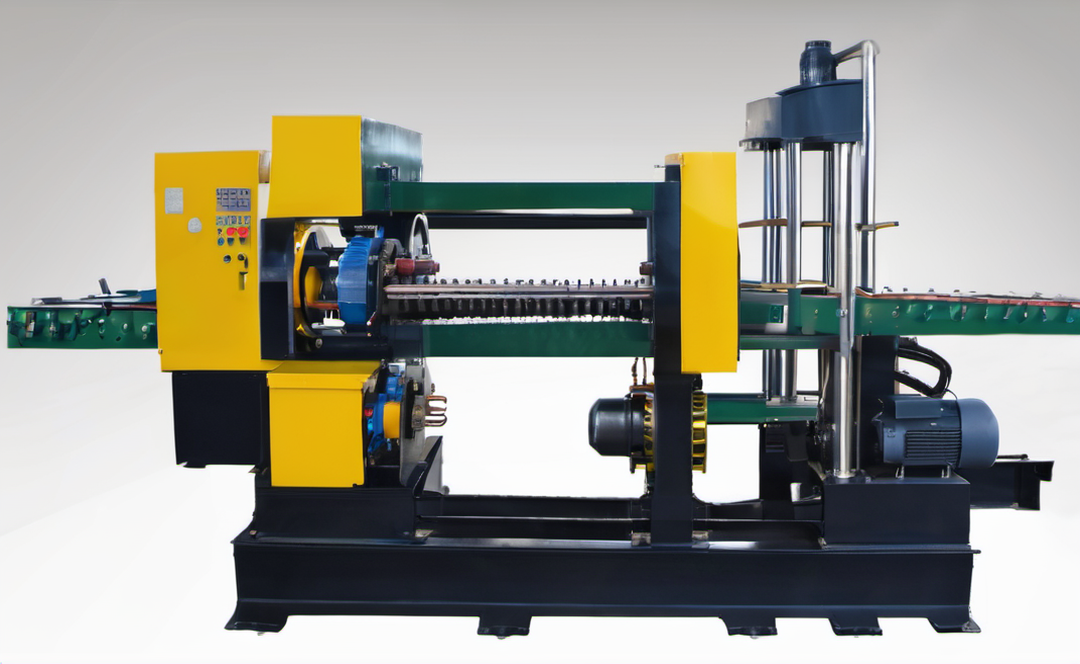
In agricultural packaging, a sack failure is expensive. A broken seam or inaccurate cut length can cause spillage, customer claims, and brand damage. That’s why maintenance matters more than speed on woven sack lines. If you operate a rice bag making machine, consistent durability depends on disciplined care of cutting, stitching, and cooling systems.
This maintenance-focused article explains practical steps to improve durability on woven sacks, including rice bopp bags applications. It also relates to buyers comparing:
- woven sack making machine
- woven bag making machine price
- bardana making machine price
Primary keyword: rice bag making machine
Related keywords: rice bopp bags, woven sack making machine, woven bag making machine price, bardana making machine price
1) Cutting accuracy: the first step of sack durability
Cut length accuracy affects:
- correct folding and bottom structure
- consistent stitching position
- packing efficiency and customer acceptance
Common causes of length drift:
- feeding roller slip
- encoder contamination or mounting looseness
- tension instability from unwinding
- worn blades creating pull and deformation
Maintenance actions:
- clean and calibrate length measurement regularly
- inspect roller surfaces and nip pressure
- replace blades before they tear fabric
- verify guide alignment to prevent edge drift
2) Bottom stitch integrity: where most failures happen
Bottom seam failures are often caused by:
- incorrect stitch density
- thread tension instability
- needle wear and heat damage
- poor alignment of fold to sewing head
Preventive actions:
- standardize stitch specification per sack type
- monitor thread tension and replace worn tension parts
- inspect needle condition and replace on schedule
- keep folding guides clean and aligned
3) Needle cooling and lubrication: protecting stitching quality
High-speed sewing creates heat. Excess heat causes:
- thread breakage
- needle wear acceleration
- seam weakness and inconsistency
Practical tips:
- keep cooling airflow paths clean
- use recommended lubricants and avoid over-lubrication near product contact areas
- inspect bearings and moving parts for friction increase
- monitor sewing head temperature trend (simple infrared checks work)
4) Maintenance schedule that reduces unplanned downtime
Daily:
- remove dust and fabric debris
- check thread path and tension
- quick inspect cutting blade condition
Weekly:
- calibrate cut length
- inspect sewing head and needle wear
- check cooling airflow and filters
Monthly:
- verify alignment of folding and sewing stations
- review downtime logs and adjust spare parts stock
- inspect motor and belt condition