
 EN
EN
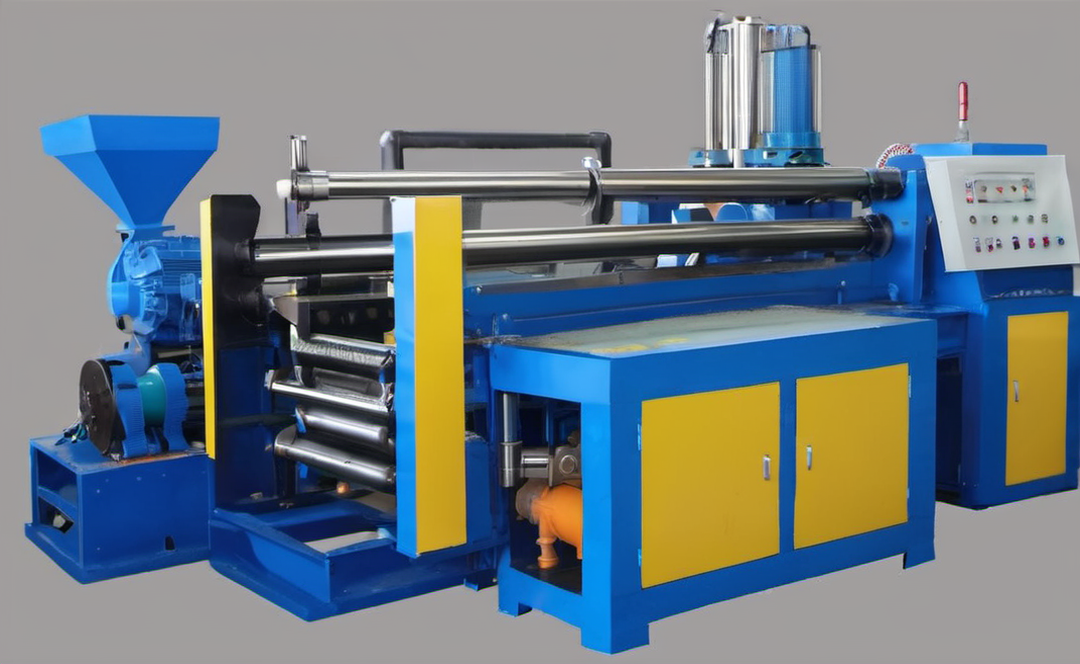
Roll-type trash bags are one of the most competitive packaging products in the world. Profit depends on how efficiently you can convert film into consistent, easy-dispense rolls—at the highest stable speed with minimal downtime. That is why modern plants invest in optimizing the full system of a garbage bag making machine: perforation stability, winding tension, sealing/cutting timing, and scrap handling.
This deep operations guide explains how to push output safely and consistently. It is designed for factories running:
- bin bag making machine
- trash bag making machine
-
garbage bag on roll making machine
and comparing garbage bag machine price from a productivity perspective.
Primary keyword: garbage bag making machine
Related keywords: bin bag making machine, trash bag making machine, garbage bag on roll making machine, garbage bag machine price
1) What limits speed on roll-type garbage bag production
The real speed limits usually come from:
- perforation failure at high frequency
- unstable roll winding (telescoping, loose cores/coreless issues)
- heat sealing instability at higher index speeds
- micro-stops from scrap buildup and sensor drift
So “maximum speed” is rarely usable. The goal is maximum stable speed at acceptable defect rate.
2) Continuous perforation: making tear-off reliable at high speed
Perforation must be:
- consistent in depth and spacing
- strong enough for roll handling
- easy to tear without stretching the next bag
Common perforation issues:
- too shallow → hard to tear
- too deep → bags separate prematurely
- uneven perforation → jams in packing or customer dispensers
Optimization points:
- blade sharpness and anvil condition
- correct perforation pressure and timing
- stable film tension through perforation station
- scheduled blade replacement before failure
3) Winding tension control: the core of roll quality
Roll quality issues include:
- telescoping (roll edges shift)
- loose winding (roll collapses)
- overly tight winding (bag deformation, difficult dispensing)
Key controls:
- stable web tension into winder
- correct torque curve across roll build-up
- lay-on roller pressure balance
- anti-static measures to prevent film cling
If you run coreless winding, tension strategy becomes even more critical because the roll must hold shape without a cardboard core.
4) Sealing logic at high speed: stability beats heat
As speed increases:
- dwell time reduces
- temperature stability becomes harder
- timing mismatch causes seal defects and length drift
Solutions:
- optimize sealing jaw heat transfer and maintain flatness
- use stable temperature control with alarm limits
- tune servo indexing to reduce shock loads
- add cooling/hold time to avoid hot seal deformation
5) Process flow optimization: reducing micro-stops
Micro-stops often come from:
- scrap removal blockage
- sensor contamination
- inconsistent film COF (additive variation)
- operator interventions for roll change and setup
Best practices:
- improve scrap suction and cleaning intervals
- protect sensors from dust and film fragments
- standardize film specs and additive ratios
- train operators on fast, standardized roll changes
6) Measuring results: the right KPI is bags per hour of good rolls
Track:
- good rolls/hour
- scrap %
- downtime minutes by reason
- roll complaint rate from customers
- blade replacement interval and cost
This data supports real ROI improvements more than chasing peak speed.