
 EN
EN
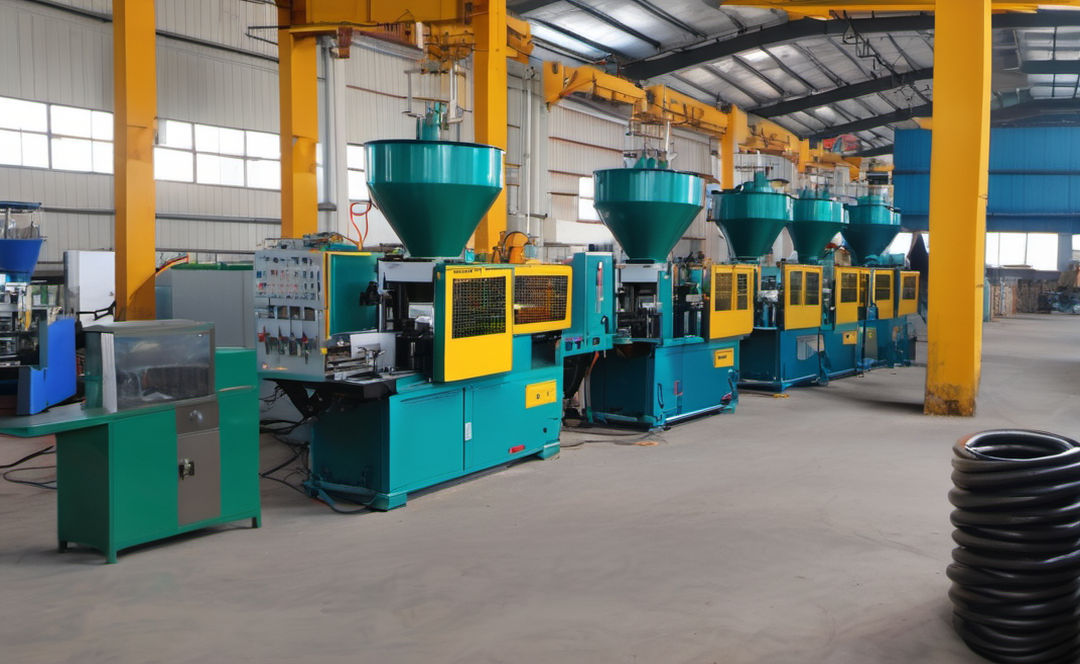
Achieving consistent high-tolerance parts starts with choosing the right precision injection molding equipment and then controlling every variable that affects the molding process. Precision molding is not just about a better machine; it’s about system design, tooling, material handling, process control, inspection, and people.
Key machine features
- High-repeatability clamping and injection systems: look for machines with rigid platens, minimal tie-bar deflection (or tie-barless designs for better access), and precisely machined screw and barrel assemblies. Repeatability of position and shot size is critical—top machines can hold shot-to-shot repeatability within fractions of a percent.
- Closed-loop servo drives and high-resolution controls: closed-loop systems with high-resolution encoders ensure consistent speeds, positions, and pressures. Multi-stage proportional control of injection and holding phases reduces variation.
- Accurate pressure and temperature regulation: integrated pressure transducers and advanced temperature control units allow tight control of melt and mold conditions. Precision parts often require stable mold temperatures within ±0.5 °C or better.
- Advanced injection units: precision metering screws, low-compression check valves and optimized nozzle designs minimize weight and dimensional variation.
Tooling and mold design
- Precision molds with uniform cooling channels, stable materials and tight machining tolerances reduce warpage and shrinkage variability. Balanced runner systems or hot runner manifolds help ensure consistent fill.
- Incorporate cavity-pressure sensors and thermal sensors into the mold to obtain real-time process feedback and enable closed-loop control of V/P switchover, holding times and packing pressures.
Material handling and preparation
- Consistent drying, blending and melt conditioning are essential. Hygroscopic polymers require strict drying protocols; resin moisture variations often produce dimensional shifts.
- Use melt filtration and degassing where necessary to prevent contamination and flow interruptions that cause flash or short shots.
Process control and validation
- Establish controlled process windows and use process monitoring tools—cavity pressure curves, injection profiles, and machine alarms—to detect deviations immediately.
- Implement Statistical Process Control (SPC) for critical dimensions. Track Cp/Cpk indices and act when trends move toward limits.
- Perform capability studies and document validated settings for each mold and material combination.
Quality measurement and feedback
- Use precision metrology (CMM, optical comparators or high-accuracy calipers) and in-line gauging where suitable. Automated inspection can feed back to the molding machine for minor corrections and reduce scrap.
- Record and archive process data for traceability—key for medical, automotive, and aerospace components.
Maintenance, environment and training
- Preventive maintenance, calibration of sensors and temperature controllers, and strict environmental control (humidity and temperature in the molding area) preserve consistency over time.
- Train operators and engineers to understand process signals and to interpret cavity pressure and flow data rather than relying solely on machine settings.
Buying tips
- Request machine specifications for repeatability, control resolution, and energy stability. Ask for on-site trials with your mold and material. Confirm vendor support, spare parts availability and software integration for Industry 4.0 data capture.
Conclusion
Consistency at high tolerances requires an integrated approach: precision equipment, tight mold and process control, disciplined material prep, measurement and feedback, plus skilled personnel. Investing up front in the right systems and practices delivers reduced scrap, higher yields and confidence that parts will meet tight dimensional requirements every cycle.