
 EN
EN
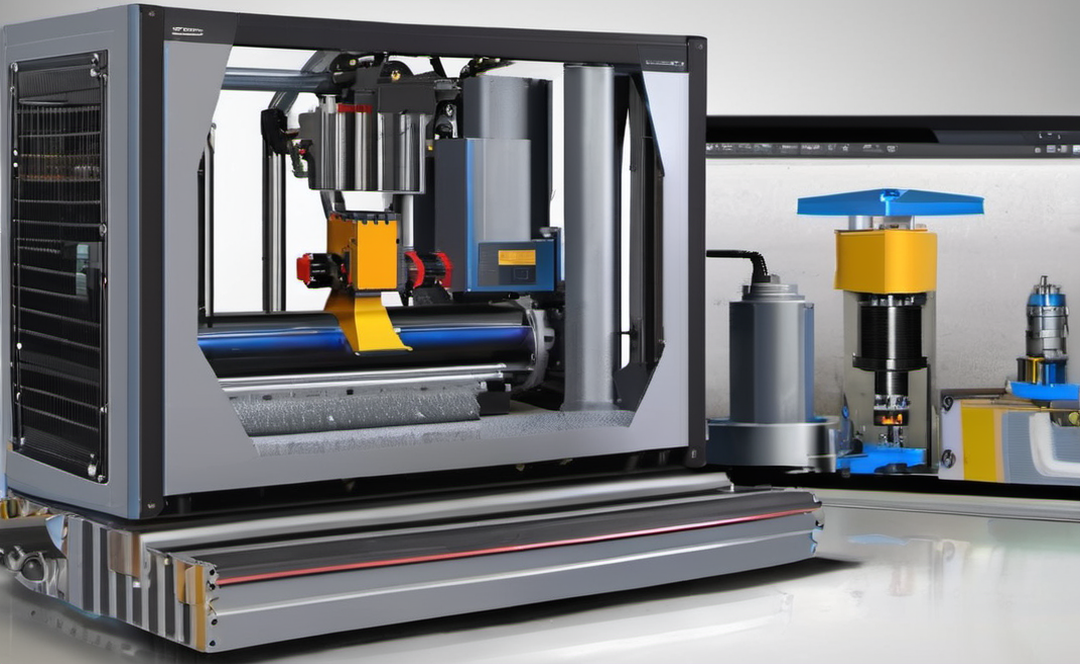
Safe production is the foundation of profitable plastic packaging. A plastic polythene making machine (often referring to polythene film/bag production equipment) typically runs at high speed with heated sealing parts, rotating rollers, cutters, pneumatics, and electrical systems—meaning risk is always present if guarding and procedures are weak.
This article summarizes practical safety requirements and best practices aligned with OSHA principles and typical CE machinery safety concepts (risk assessment, guarding, interlocking, emergency stop design). If you are purchasing, installing, or operating a polythene manufacturing machine, these guidelines help reduce downtime, injuries, and compliance risk—while improving long-term production stability.
1) Main hazards on a polythene bag/film line
Even when the machine is stable, most incidents come from predictable points:
Pinch points and in-running nips
- Pull rollers, nip rollers, conveyor belts, rewind shafts
- Hands/gloves/clothing can be drawn in within a fraction of a second
Heat-related hazards
- Hot sealing bars, heaters, thermocouples, heated knives
- Burns are common when operators clear jams without proper “safe mode”
Cutting and punching units
- Flying scrap, blade contact, unexpected cycling during troubleshooting
Pneumatic / mechanical stored energy
- Cylinders, springs, tension systems can move when pressure is released incorrectly
Electrical and static risks
- Poor grounding, damaged wiring, missing covers
- Static discharge can cause shocks, attraction of dust, and in special environments, ignition risk
2) Guarding standards: what “effective protection” looks like
A key CE/OSHA idea is that safety must be designed into the machine—not only trained into people.
Fixed guards for transmission parts
Use fixed guarding for:
- Chains, sprockets, belts, couplings, gears
- Rotating shafts and high-speed roller ends
Good fixed guards should be:
- Strong enough to withstand impact
- Installed so they cannot be removed without tools
- Designed for maintenance access without exposing operators
Interlocked guards for frequent-access zones
For areas requiring frequent cleaning or threading:
- Use interlocked doors/covers
- Opening the guard must trigger a safe stop (and prevent restart until reset)
This is where CE thinking matters most: interlocks should be part of a defined safety circuit, not a simple “limit switch” that can be bypassed easily.
Clear visual access without exposure
Transparent panels can be used to view web movement, sealing quality, and tracking—while keeping hands away from nips and cutters.
3) Emergency stop (E-stop) design that actually works
Factories often have E-stops, but they’re sometimes poorly positioned or not maintained.
Placement and accessibility
Install E-stops where operators naturally stand:
- Feeding area
- Sealing/cutting area
- Discharge/stacking area
- Any point where threading or jam clearing is likely
Restart control
After an E-stop:
- Restart should require manual reset and a deliberate start action
- Avoid automatic restart when power returns (anti-unexpected startup)
Routine testing
Put E-stop tests into daily/weekly checks. Logging matters for audits and continuous improvement.
4) Lockout/Tagout (LOTO): the non-negotiable maintenance rule
Many accidents happen during maintenance and jam clearing, not normal production.
A robust LOTO process typically includes:
- Stop machine and isolate energy sources (electrical, pneumatic, hydraulic)
- Apply locks and tags (who locked, why, when)
- Release stored energy (air pressure bleed, tension release, residual heat awareness)
- Verify isolation (try-start test under controlled conditions)
- Perform work and remove tools/scrap
- Restore power only after full confirmation and sign-off
If you sell/export machines, providing LOTO guidance in the manual improves buyer trust and reduces after-sales disputes.
5) Anti-entanglement measures: preventing “draw-in” incidents
For a polythene bag making machine, entanglement risk is often underestimated because film is light—but rollers are not.
Recommended measures:
- Guard roller ends and shafts
- Provide safe threading routes and threading tools
- Use low-speed “jog” mode with hold-to-run control
- Post clear warnings and prohibit loose gloves near nips
- Add web-break detection where possible to prevent sudden operator interventions
6) Temperature control and burn prevention
A good safety design includes both physical protection and control logic:
- Shield hot surfaces where operators can touch
- Add “HOT” warning labels and indicator lights
- Use over-temperature alarms and independent cut-off protection
- Define a “cool down” procedure before maintenance
This reduces injury and also improves sealing consistency by preventing uncontrolled overheating.
7) Electrical safety and grounding for stable production
Electrical safety improves not only compliance but also machine reliability.
Key points:
- Use proper earthing/grounding for the machine frame
- Protect cables from abrasion and heat
- Keep electrical cabinets closed during production
- Add static elimination (ion bars or anti-static devices) where web speed causes static buildup
8) Safety checklist you can standardize in your factory
A simple checklist helps operators “do the right thing every day”:
Daily:
- E-stop function check
- Guard condition (missing screws, cracks, loose doors)
- Air pressure within spec
- Heater temperature stable and alarms functional
Weekly:
- Inspect interlock response time
- Check grounding continuity
- Inspect cutting/sealing area for abnormal wear
Monthly:
- Verify safety circuit logic (if applicable)
- Review incident near-misses and update procedures
9) How safety features affect “machine price” (and why it’s worth it)
Many buyers search:
- polythene bag making machine price
- polythene bag machine price
- plastic polythene making machine
- polythene manufacturing machine
When comparing prices, confirm whether the quote includes:
- Interlocked guarding
- Safety relays/modules
- Full E-stop coverage and wiring
- CE-oriented documentation (risk assessment support, circuit diagrams, manuals)
A cheaper machine without proper safety design can become more expensive after accidents, fines, retrofits, and downtime.
10) Conclusion
A safe plastic polythene making machine is built on layered protection: guarding, interlocks, emergency stops, LOTO discipline, and anti-entanglement design. Aligning with OSHA practices and CE safety concepts helps factories achieve stable output and “zero-incident” operations.
If you want, share your target bag type, line speed, and plant layout. We can recommend a safety configuration list (guards/interlocks/E-stop positions) to match your production workflow.
Table of Contents
- 1) Main hazards on a polythene bag/film line
- 2) Guarding standards: what “effective protection” looks like
- 3) Emergency stop (E-stop) design that actually works
- 4) Lockout/Tagout (LOTO): the non-negotiable maintenance rule
- 5) Anti-entanglement measures: preventing “draw-in” incidents
- 6) Temperature control and burn prevention
- 7) Electrical safety and grounding for stable production
- 8) Safety checklist you can standardize in your factory
- 9) How safety features affect “machine price” (and why it’s worth it)
- 10) Conclusion