
 EN
EN
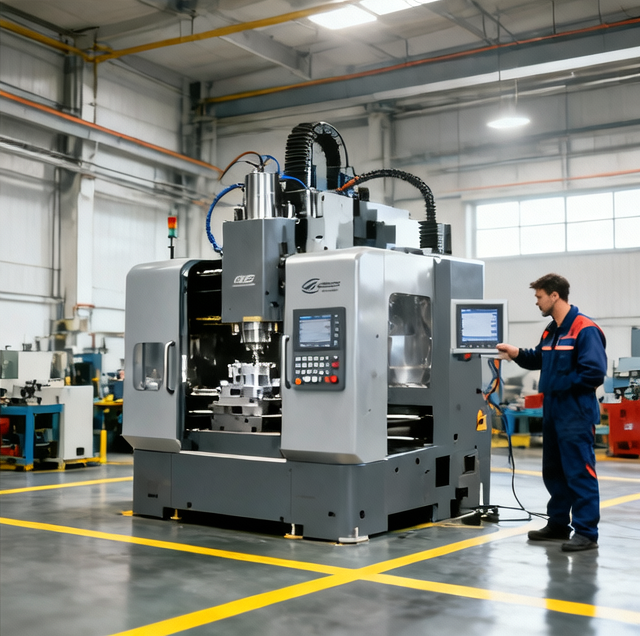
High‑barrier Mylar/foil pouches are no longer a niche. From snacks and coffee to chemicals and supplements, brands demand better shelf life, stronger seals, and cleaner appearance—often at higher converting speeds. That puts pressure on the mylar bag making machine (also searched as a pouch manufacturing machine) to deliver both productivity and reliability.
This technical guide explains why heat control and web tension stability are the two most important variables for premium foil pouches. You’ll learn how sealing systems work, how to balance speed vs quality, and how to troubleshoot common seal defects. It is also relevant if you compare a silver foil pouch making machine, research aluminium foil pouch making machine price, or plan to produce zipper formats on a zipper pouch making machine.
Primary keyword: mylar bag making machine
Related keywords: silver foil pouch making machine, aluminium foil pouch making machine price, pouch manufacturing machine, zipper pouch making machine
1) What “Mylar bag” usually means in manufacturing (and why it matters)
“Mylar” is often used as a market term for high‑barrier laminated pouches. In real production, structures vary widely, for example:
- PET / AL / PE
- PET / VMPET / PE (metallized)
- PET / AL / NY / PE (higher puncture resistance)
These laminate structures have two key implications:
- Seal layer behavior (often PE) drives seal strength and leak performance.
- High stiffness changes how the web tracks, folds, and responds to tension changes.
So when evaluating a mylar bag making machine, don’t start with “max speed.” Start with:
- what laminate you will run
- what seal strength / leak standard you must pass
- what zipper or spout features you require
2) Why heat control is the #1 quality driver for foil pouch making
For high‑barrier pouches, the most common customer complaint is simple: leaking seals. Foil itself is not the sealing layer; the seal is typically PE-to-PE (or compatible sealants). Heat control has three variables:
A) Temperature (setpoint + real temperature)
On many machines, the display temperature is not the true sealing face temperature. Differences come from:
- heater placement
- thermocouple location
- heat loss under high speed
- uneven heating across width
Best practice: use multi-zone heating (left/center/right) and verify true seal face temperature during validation runs.
B) Dwell time (contact time)
At higher speeds, dwell time decreases. If you push speed without increasing dwell time or improving heat transfer, you get:
- weak seals
- partial seals at edges
- inconsistent peel behavior
C) Pressure (uniformity and repeatability)
Even perfect temperature cannot compensate for uneven pressure. Pressure issues cause:
- “channels” (micro leak paths)
- glossy/burnt areas next to undersealed regions
- seal wrinkles and distortion
Key concept: seal strength is produced by time × temperature × pressure. For foil/Mylar pouches, stability matters more than peak values.
3) Web tension stability: the hidden reason behind seal defects and wrinkles
Many “seal problems” are actually tension problems. With foil laminates, tension instability causes:
- fold misalignment
- wrinkling at the seal area
- zipper misplacement
- seal face contamination from rubbing/abrasion
A stable machine typically needs:
- reliable unwinding brake control
- dancer/tension feedback
- EPC/web guiding (especially for printed film)
- servo-controlled indexing that reduces length drift
If you are considering a silver foil pouch making machine, ensure the web handling is designed for stiff materials and does not rely on “operator feel.”
4) Seal system types used on mylar/foil pouch machines
Depending on pouch type (3-side seal, center seal, stand-up pouch), machines may use:
- Intermittent sealing (stop-and-seal): often stronger, easier control, typically slower
- Rotary sealing (continuous): higher speed, requires better thermal stability and pressure control
For premium Mylar pouches, intermittent sealing is common where maximum seal reliability is required. Rotary sealing is common where speed is critical and quality control is mature.
5) Zipper integration: why zipper pouches raise the engineering bar
When your machine becomes a zipper pouch making machine, you add:
- zipper feeding stability
- zipper tension and alignment
- extra sealing interfaces (film-to-zipper and zipper-to-zipper)
Common zipper-related failures:
- zipper skew or waviness
- zipper seal leak at the ends
- zipper melt deformation (too much heat)
- poor “feel” (too tight/too loose closure)
To succeed at high speed, zipper insertion timing must be synchronized with web motion (servo control + stable registration).
6) Speed vs quality: a realistic production strategy
A common mistake is chasing the maximum speed listed in a brochure. For Mylar pouches, define your “stable production speed” based on:
- leak rate acceptance (e.g., AQL or internal target)
- seal strength spec (N/15mm or similar test)
- visual quality standard (wrinkle limits, contamination rules)
Then optimize:
- preheating stability
- seal jaw flatness and pressure distribution
- web tension tuning
- cooling and pull control after sealing (prevents hot seal distortion)
This approach typically yields higher real output (OEE) than running fast and stopping often.
7) Common seal defects and how to troubleshoot them (fast diagnostic map)
Defect 1: Seal leaks (random)
Likely causes:
- contamination (powder, oil, dust)
- unstable temperature or pressure
- insufficient dwell time at speed
Actions:
- add air knife / cleaning before sealing
- verify seal face temperature stability under load
- check pneumatic/hydraulic pressure fluctuation
Defect 2: Channel leaks (consistent at one side)
Likely causes:
- seal jaw alignment issue
- pressure uneven across width
- heater zone imbalance (edge cooler)
Actions:
- check jaw parallelism and flatness
- confirm multi-zone temp profile
- inspect jaw surface wear and PTFE condition
Defect 3: Burn marks / shrink / distorted graphics near seal
Likely causes:
- overheating or excessive dwell time
- wrong laminate sealing layer
- poor heat dissipation in jaw
Actions:
- lower temperature, increase pressure, optimize dwell
- confirm laminate sealant layer type
- improve cooling and jaw insulation design
Defect 4: Wrinkles at seal area
Likely causes:
- tension instability
- misalignment in forming shoulder/guide rollers
- improper nip pressure in pull section
Actions:
- stabilize tension loops and brake response
- check roller alignment and surface conditions
- tune pull/servo acceleration to reduce shock loads
8) What drives aluminium foil pouch making machine price (and how to compare fairly)
When buyers search aluminium foil pouch making machine price, the cost difference usually comes from:
- sealing system quality (jaw design, heat control, pressure stability)
- servo level (indexing, registration, zipper feed)
- web tension control and guiding
- maximum stable speed for foil laminates (not only “max speed”)
- inspection options (seal inspection, leak test support)
- safety and documentation (CE, electrical standards, spare parts)
Fair comparison tip: ask suppliers to quote based on the same laminate structure, pouch size, and acceptance criteria (leak rate + seal strength).