
 EN
EN
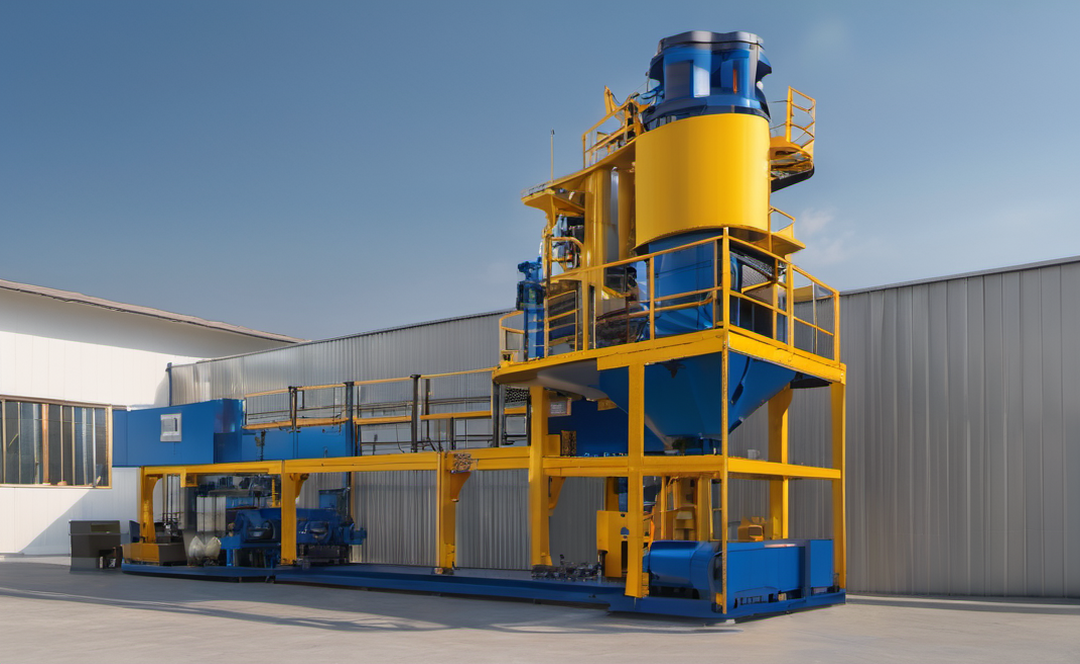
If you buy a converting line based only on the lowest quote, you may pay more later in downtime, scrap, and spare parts. A better approach is TCO—Total Cost of Ownership—especially when comparing a plastic packet making machine (often called pouch/bag converting machines in different markets).
This procurement guide explains what makes up the price, which hidden costs matter most, and how to compare suppliers fairly using the same technical baseline.
Primary keyword: plastic packet making machine
Related keywords: pouch bag making machine, plastic cover making machine price, plastic bag making machine price, pouch bag making machine
1) What “plastic packet making machine” can include
The term “packet” may refer to:
- flat bags or small pouches
- 3-side seal pouches
- laminated pouches for packaging
- “cover” style protective bags
Before comparing prices, define:
- bag/pouch type
- material (PE vs laminated)
- size range
- speed target at acceptable defect rate
2) The 6 main components that drive machine cost
(1) Feeding and tension control
Better tension control reduces wrinkles and length drift, especially on thin films.
(2) Sealing system
Jaw quality, heating control, pressure stability, and cooling design largely determine defect rate.
(3) Cutting/punching system
Tooling quality affects burrs, dust, scrap jams, and changeover time.
(4) Servo and control level
Servo upgrades improve repeatability and reduce scrap during speed changes.
(5) Automation modules
Auto counting/stacking, scrap removal, and inspection options can reduce labor and increase OEE.
(6) Safety and compliance
Guarding, emergency stops, wiring standards, and documentation affect long-term reliability and audit readiness.
3) Hidden costs buyers often miss (and how to quantify them)
- Scrap rate difference (even 1–2% matters at high volume)
- Downtime hours per month due to jams and tuning
- Spare parts lead time and cost
- Operator headcount per shift
- Energy consumption from inefficient heating or drives
A simple TCO model:
TCO = Machine price + (scrap cost + downtime cost + labor + energy + spare parts) over 3–5 years
4) How to compare quotes fairly
Ask each supplier to provide:
- stable speed on your exact material
- expected scrap rate and major defect types
- spare parts list and recommended inventory
- warranty terms and response time
- installation/training scope
Also request reference videos or test runs for your pouch type.