
 EN
EN
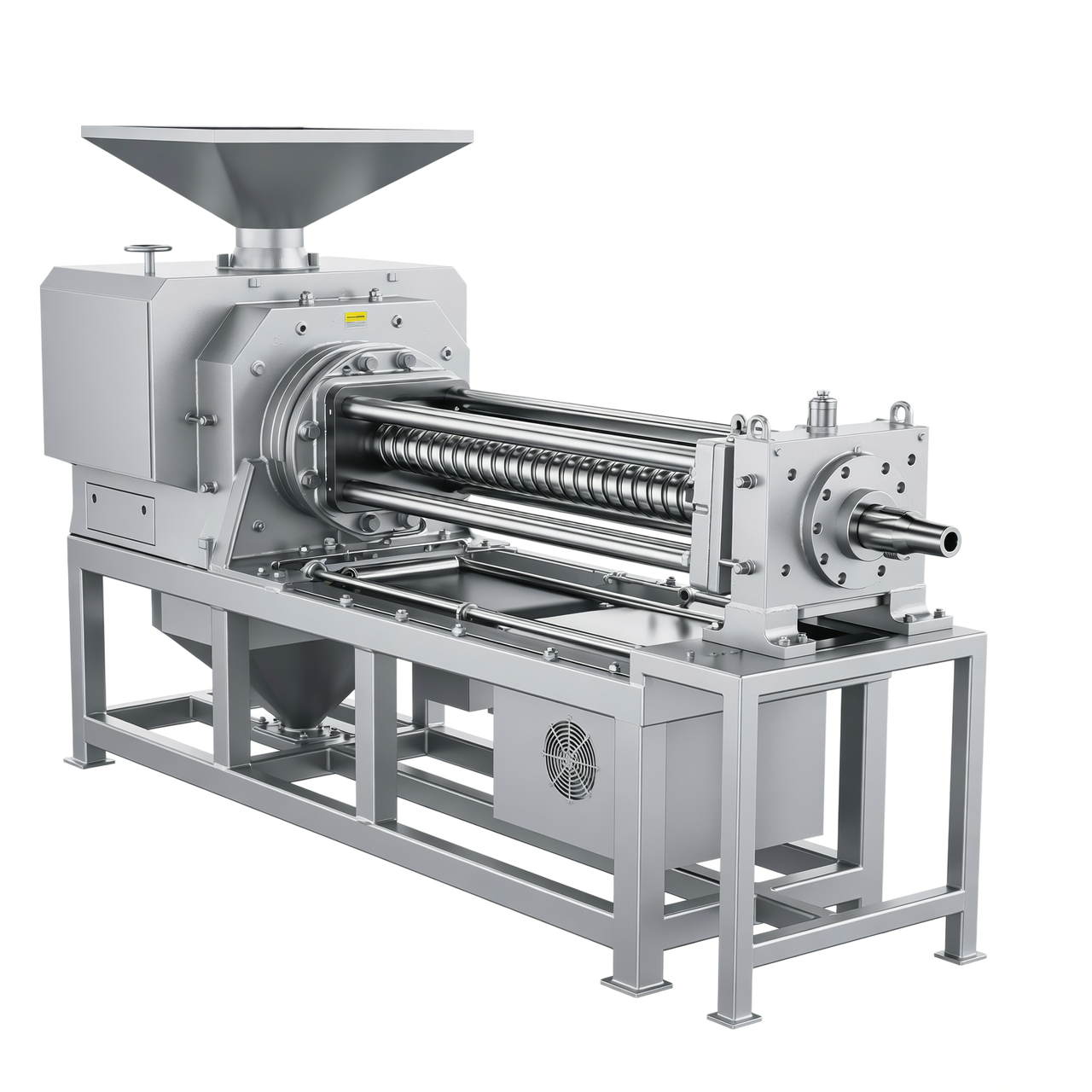
Reducing bag cost is not only about buying cheaper film. Many factories can reduce total conversion cost by around 20% through a structured approach: improving OEE (Overall Equipment Effectiveness), reducing waste, lowering labor intensity, and preventing unplanned downtime.
This deep guide explains how to evaluate and upgrade a shopper making machine / shopping bag making machine to lower cost, and how to compare carry bag machine price (and even paper shopping bag making machine alternatives) from a total-cost perspective.
Primary keyword: shopper making machine
Related keywords: shopping bag making machine, shopping bag making, carry bag machine price, paper shopping bag making machine
1) Why “cost per bag” is a factory system problem
Cost per bag = (material + labor + energy + downtime + scrap + maintenance) / good bags output
Many factories focus on speed, but:
- high speed with high scrap is expensive
- low speed with high uptime can be cheaper
- unplanned downtime destroys OEE and raises unit cost quickly
To reach ~20% cost reduction, focus on the biggest levers:
- OEE improvement (availability × performance × quality)
- waste reduction (start-up waste, registration waste, sealing defects)
- labor optimization (automation + workflow)
- preventive maintenance (less emergency repair)
2) OEE: the most useful KPI for shopping bag converting
Break OEE into actionable parts:
Availability losses
- breakdowns (sealing unit, punching unit, sensors)
- changeover time
- waiting for material/roll change
Performance losses
- micro-stops
- speed reduced to avoid defects
- unstable feeding or tension causing stop-start cycles
Quality losses
- seal leaks
- misregistration
- punching/cutting defects
- stacking count errors
A cost program should assign a money value to each loss category.
3) Automation upgrades that reduce labor and increase stability
For many shopping bag lines, cost reduction comes from targeted automation:
- servo feeding for stable bag length
- automatic punching alignment (D-cut/banana handle)
- automatic counting and stacking
- scrap suction and collection systems
- quick-change tooling (reduces changeover time)
Even small automation modules can reduce operator intervention and micro-stops.
4) Material waste reduction: the fastest payback
Common waste sources:
- startup tuning scrap after roll change
- registration drift scrap on printed bags
- sealing defects due to temperature instability
- punching scrap jams causing damaged bags
Solutions:
- recipe management (speed/temperature/pressure by thickness)
- better tension control and web guiding
- stable heating control with alarms
- sensor cleaning and preventive replacement schedules
5) Preventive maintenance strategy that protects OEE
A structured PM plan prevents the “run until failure” trap.
Daily:
- clean sealing area and sensors
- check air pressure stability
- inspect scrap path and suction
Weekly:
- verify punching die condition
- inspect belts/couplings and lubrication points
- test E-stop and safety interlocks
Monthly:
- check heater performance and temperature calibration
- inspect electrical connections in high-vibration zones
- review downtime logs and update spare parts minimum stock
The goal is to shift maintenance from emergency to scheduled windows.
6) How to compare carry bag machine price using total cost
When you evaluate carry bag machine price or shopping bag making machine quotes, compare:
- stable output at your bag spec (good bags/hour)
- scrap rate expectation and supplier guarantee
- labor required per shift
- spare parts cost and lead time
- expected downtime and service support
A machine with a higher purchase price can deliver lower cost per bag if it:
- runs longer without stops
- produces fewer defects
- needs fewer operators
- changes over faster
7) What about paper shopping bag making machine alternatives?
Some factories compare plastic bag equipment with paper shopping bag making machine options due to regulation trends. The correct approach is to evaluate:
- target market compliance requirements
- customer preference and price point
- raw material availability and logistics
- margin structure and order stability
Paper can be a strong category, but it is not a direct substitute for all plastic reusable bag formats. Many markets still demand durable plastic carry bags (thicker gauge, reusable).