
 EN
EN
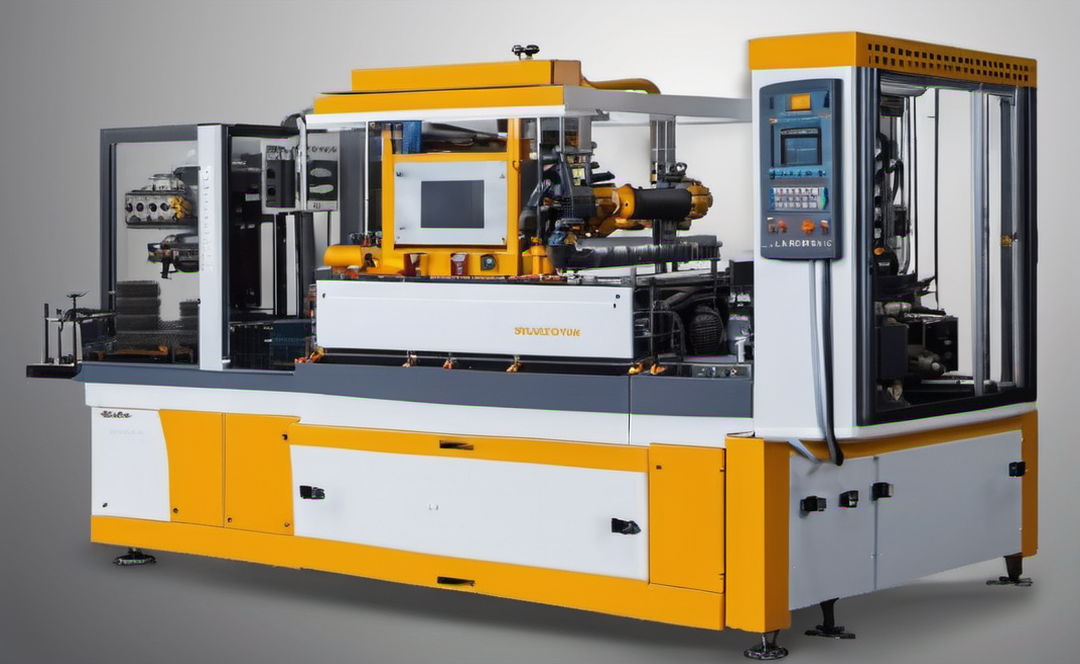
For many film bag factories, the fastest way to grow isn’t hiring more operators—it’s eliminating bottlenecks. If you’re already running a standard line close to its practical limit, adding labor often increases supervision cost, training complexity, and quality variation, while only delivering a modest output gain.
That’s why more operations teams are considering a double channel t shirt bag making machine: it’s designed to increase throughput per shift by running two lanes (two tracks) in parallel, often allowing you to double output without doubling headcount—when the line is engineered and operated correctly.
From a production operations manager’s perspective, two technologies are critical to making double-channel production truly pay off:
- Servo synchronization (so both channels feed, seal, and cut consistently at high speed)
- Automatic stacking (so packing doesn’t become your new constraint)
This article explains how double-channel technology is applied in T‑shirt bag production, what to check when buying, and how to maximize capacity without increasing labor—while still meeting quality requirements for shopping bag making and vegetable bag making machine applications.
1) What Is a Double Channel T‑Shirt Bag Making Machine?
A traditional t shirt bag making machine typically produces one bag per cycle from a single web (or one folding stream). A double channel machine produces two bags per cycle by processing two lanes simultaneously. Depending on design, the machine may use:
- one wider film web split into two lanes, or
- two separate webs processed in parallel
The production advantage is straightforward: if your sealing/cutting cycle time stays the same, but you produce two bags per cycle, your output can increase dramatically—often close to 2x—without requiring an additional full operating team.
However, “double channel” only delivers real gains if the machine maintains:
- stable tracking and registration for both lanes
- consistent bag length and seal strength
- reliable stacking and counting at the required speed
Otherwise, you trade speed for scrap and downtime.
2) Why Double Channel Lines Often Fail to Reach 2x Output in Real Factories
Operations teams usually find that a double-channel machine doesn’t automatically deliver “2x good bags per hour.” The gap comes from three common bottlenecks:
A) Lane-to-lane instability
If the left and right channels don’t behave identically, you see:
- uneven bag length
- one lane producing weak seals
- misaligned handles (T‑shirt cut)
- frequent stops to correct tracking
B) Packing/stacking becomes the limiting factor
Even if the machine produces faster, operators may not be able to:
- count accurately
- stack neatly
- transfer stacks to packing stations fast enough
Manual stacking is often the #1 reason double-channel output gains “disappear.”
C) Changeover and setup time increases
If your SKU mix is wide (different widths/lengths/thicknesses), frequent adjustments can reduce real daily output.
That’s why servo synchronization and automatic stacking matter—they address the two biggest constraints: stability and downstream handling.
3) Technology Focus #1: Servo Synchronization (The Foundation of High-Speed Dual Lanes)
In double-channel production, small timing errors become big problems because they multiply across two lanes. Servo synchronization is the control strategy that keeps critical actions aligned, including:
- film feeding length control
- sealing jaw timing
- cutting timing
- punching/handle forming timing (if applicable)
- stacking/counting rhythm
What to look for in servo synchronization
If you’re evaluating a plastic bag making machine for sale and the supplier claims “servo control,” ask for specifics:
- How many servo axes are used (feeding only, or feeding + cutting + stacking)?
- Is there independent correction for each lane, or one control for both?
- Does the machine support recipe storage for different bag sizes?
- How does the system compensate for film slip at higher speed?
Why this impacts labor
A well-synchronized servo system reduces operator workload because the line:
- holds bag length without constant knob turning
- restarts faster after stoppages
- needs fewer “trial runs” after changeovers
- produces more consistent stacks for packing
In other words, servo sync turns output gains into stable output gains.
4) Technology Focus #2: Automatic Stacking (Where Labor Savings Become Real)
If you want to double output without adding labor, you must prevent manual handling from becoming your throughput ceiling.
An automatic stacking system typically performs:
- bag counting (by sensor/encoder logic)
- stack forming (neat alignment)
- batch discharge (consistent stack size for packing)
Key stacking features to evaluate
- Maximum stable stacking speed (not peak speed)
- Stack length consistency and alignment quality
- Sensor stability (anti-static design can matter with thin film)
- Jam detection and quick-clear access
- Lane separation logic (two lanes must not mix stacks)
Practical operations benefit
With automatic stacking, one operator can often manage:
- machine monitoring + film roll changes
- packing supervision
- basic QA checks
Without it, labor usually increases—either directly (more packers) or indirectly (more downtime caused by packing delays).
5) Layout Optimization: How to Set Up the Line for Maximum Capacity
Even with a good machine, poor layout reduces output. For double-channel lines, the ideal layout usually includes:
- clear film roll handling space (fast roll changes)
- short, safe path from stack discharge to packing table
- standardized carton/bundle sizes aligned with stack batch counts
- simple reject handling (don’t slow the main flow)
Operations tip: Treat stacking discharge as the “heartbeat” of the line. If stacks back up, the machine stops. Design the area so stacks can move away continuously.
6) Application Notes: Shopping Bags vs Vegetable Bags (Different Priorities)
A t shirt bag making machine may be used for different end markets, and the “best setup” depends on the bag’s use case:
Shopping bag making (retail carry bags)
Typical priorities:
- stronger seals and handles
- consistent bag length and symmetry (appearance matters)
- thicker film or higher load requirement
Operations implications: - ensure sealing temperature/pressure stability
- prioritize clean cutting and consistent handle shape
Vegetable bag making machine applications (thin produce bags)
Typical priorities:
- very high speed
- stable handling of thinner films (more static, more slip)
- precise stacking/counting because bags are lightweight
Operations implications: - stronger anti-static measures
- more sensitive tension/feeding control
- reliable stacking to avoid “flying bags” and miscounts
If your product mix includes both, choose a configuration that supports stable operation across the thinnest film you plan to run.
7) Buying Considerations: How to Evaluate Plastic Bag Making Machine Price the Right Way
Many buyers search plastic bag making machine price and compare quotes by speed and basic specs. For double-channel machines, a better evaluation method is:
Compare “good output per shift,” not maximum bags/min
Ask suppliers:
- What is the stable output at acceptable defect rate?
- What defects are most common at high speed, and how does the design prevent them?
Confirm what’s included in the “price”
Some quotes exclude key items:
- automatic stacking module
- servo upgrades beyond basic feeding
- spare parts package
- commissioning and training
A machine that looks cheaper upfront may require additional modules later to achieve the labor-saving goal.
Ask for real production references
Request:
- videos showing both lanes running at target speed with stable stacking
- typical OEE achieved by similar customers
- recommended operator count at target output
If a supplier can’t demonstrate stable dual-lane operation, the “2x output” claim is only theoretical.
8) A Simple Operations ROI Model (Without Overcomplicating It)
To justify a double-channel upgrade, you don’t need a complex finance model. Start with:
- Current good output per shift (bags/shift)
- Current labor per shift (operators + packers)
- Scrap rate and downtime
- Target good output with double channel
- Labor plan (same headcount or minimal increase)
Then estimate:
- cost per 1,000 bags before vs after
- payback period based on margin per bag and volume growth
In many factories, the ROI is driven more by OEE and labor stability than by nameplate speed.
Table of Contents
- 1) What Is a Double Channel T‑Shirt Bag Making Machine?
- 2) Why Double Channel Lines Often Fail to Reach 2x Output in Real Factories
- 3) Technology Focus #1: Servo Synchronization (The Foundation of High-Speed Dual Lanes)
- 4) Technology Focus #2: Automatic Stacking (Where Labor Savings Become Real)
- 5) Layout Optimization: How to Set Up the Line for Maximum Capacity
- 6) Application Notes: Shopping Bags vs Vegetable Bags (Different Priorities)
- 7) Buying Considerations: How to Evaluate Plastic Bag Making Machine Price the Right Way
- 8) A Simple Operations ROI Model (Without Overcomplicating It)