
 EN
EN
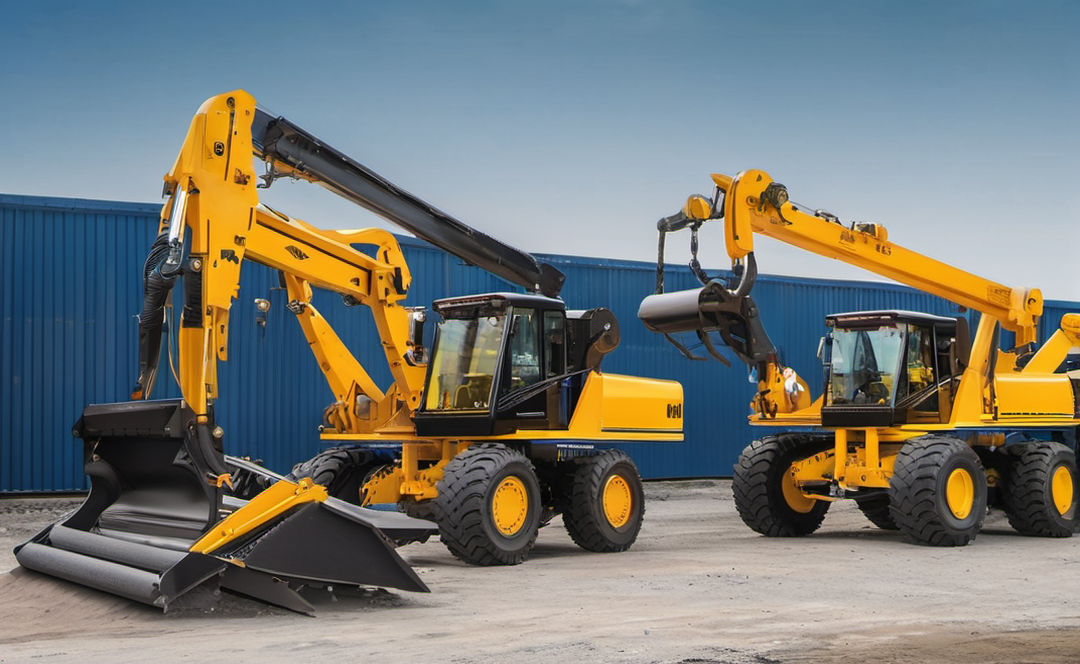
If you’re sourcing a plastic sheet extruder, it’s easy to get pulled into headline numbers—“high output,” “low price,” “fast delivery.” But in real production, sheet quality issues (thickness variation, haze, gels, warpage, unstable edges) usually trace back to a few fundamental process and machine design parameters that many buyers don’t evaluate carefully enough.
From the perspective of a senior processing engineer, two factors dominate long-term stability:
- Melt homogeneity (how uniformly the polymer is plasticized and mixed)
- Temperature stability (how consistently that melt is controlled from barrel to die to downstream)
Below are 5 critical specifications to check before you commit to a plastic sheet manufacturing machine, compare a plastic sheet press machine (calender/press section), or negotiate a plastic sheet cutting machine price.
1) Melt Homogeneity: Screw Design, L/D, and Mixing Elements
Why it matters
A plastic sheet line is unforgiving: any non-uniformity in the melt shows up as streaks, gels, haze, fish-eyes, weak spots, and unstable thickness control. “Output” is meaningless if you’re scrapping material or running slower to keep quality acceptable.
What to check
- Screw type: single screw vs. twin screw (co-rotating twin for compounding-heavy blends)
- L/D ratio (length-to-diameter): commonly 28:1–36:1 for many sheet applications; too short often risks poor melting/mixing
- Barrier section / Maddock mixer / spiral mixing head: improves melting and dispersive mixing
- Venting design (if needed): for moisture/volatiles, especially with recycled content
Practical selection tip
Ask the supplier for:
- Screw design drawing (feed, compression, metering zones, mixer)
- Target material list (virgin/regrind %, fillers)
- Typical defects they’ve solved with that screw geometry
If they only talk about motor power and output, you’re not getting the full picture.
2) Temperature Control Stability: Zones, Sensors, and Heater/Cooling Design
Why it matters
Sheet quality depends on stable viscosity. Viscosity depends on temperature. Small swings can cause:
- Die lines and surface defects
- Thickness drift across the width
- Unstable edge bead / trim changes
- Higher internal stress → warpage after cutting or thermoforming
What to check
- Number of barrel heating zones and control method (PID tuning, SSR vs. contactor)
- Sensor type and placement (thermocouple quality, response speed, location repeatability)
- Cooling capability (fan cooling, water/air combo) for fast stabilization
- Die temperature control: multi-zone die heaters are often the difference between “works” and “runs stable”
Practical selection tip
Request:
- Temperature control accuracy claims with test conditions
- Controller brand/model and spare parts availability
- Warm-up time and recovery time after speed changes
A line that “holds temperature” at steady state but can’t recover after production adjustments will cost you hours of tuning every shift.
3) Die & Feedblock Design: Distribution Uniformity and Adjustability
Why it matters
Even with a perfect extruder, a poor die produces poor sheet. The die and feedblock determine:
- Thickness profile
- Flow uniformity
- Surface quality
- Material layer distribution (for co-extrusion or cap layers)
What to check
- Die type: T-die / coat-hanger die (commonly used for sheet)
- Lip adjustment mechanism (manual bolts vs. automatic deckle/thermal bolts)
- Internal flow channel design (supplier should explain how uniformity is achieved)
- If co-extrusion: feedblock layer control and interface stability
Practical selection tip
Ask for:
- Thickness profile tolerance they can realistically achieve (not marketing numbers)
- Die steel grade and surface treatment
- Cleaning/maintenance method (how easy it is to service safely)
For many lines, the die is the “quality gate.” Under-spec the die and you’ll chase problems forever.
4) Calender/Press (Plastic Sheet Press Machine) & Downstream: Cooling, Nip Control, and Surface Finish
Why it matters
In sheet extrusion, the downstream section is not “just pulling sheet.” The calender/press or roll stack determines:
- Final thickness stability
- Gloss/matte surface finish
- Internal stress and flatness
- Transparency/haze performance (for clear sheets)
What to check
- Roll stack configuration (3-roll/4-roll), roll diameter and stiffness
- Nip pressure control and repeatability
- Roll temperature control (water oil system, zones, stability)
- Alignment and vibration control (sheet lines amplify small mechanical errors)
Practical selection tip
Match downstream design to your product:
- Transparent PET/PC/PMMA sheets usually demand tighter roll temperature control and higher roll quality
- Filled PP/PE sheets may emphasize stiffness and traction
- If you thermoform later, prioritize low stress and consistent thickness
Don’t compare only the plastic sheet press machine price—compare roll specs, control method, and stability under load.
5) Cutting & Handling: “Plastic Sheet Cutting Machine Price” vs. Cut Accuracy and Scrap Rate
Why it matters
Cutting is where good sheet becomes sellable product—or becomes scrap. Poor cutting and handling leads to:
- Length variation and squareness issues
- Burrs, chipping, edge cracking
- Micro-scratches (especially on glossy or clear sheet)
- Bottlenecks that force you to slow the whole line
What to check
- Cutting method: flying knife, guillotine, saw, slitter + length cutter
- Encoder feedback and synchronization with line speed
- Blade material and changeover time
- Stacking system stability (anti-scratch design, vacuum/air assist, rollers)
Practical selection tip
When comparing a sheet cutting machine price, include:
- Expected blade life for your polymer and thickness range
- Accuracy spec under real speed (not only “at low speed”)
- Automation level (manual stacking vs. automatic)
A cheaper cutter can quietly cost more through rework, scrap, and labor.
A Quick Pre-Purchase Checklist (Ask These Before You Sign)
When evaluating a plastic sheet manufacturing machine, send suppliers these questions:
- What is the screw L/D and what mixing elements are included for my material?
- What is the temperature control architecture (zones, sensors, controller brand)?
- Can you provide typical thickness profile data across sheet width for similar projects?
- What are the roll stack specs (diameter, surface, temperature control, nip control)?
- How does the cutting machine synchronize with line speed, and what accuracy is guaranteed?
If a supplier can answer with data, drawings, and references, you’re likely dealing with a manufacturer that understands stable production—not just equipment sales.
Final Thoughts: Buy Stability, Not Just Output
A plastic sheet line is a system. The extruder, die, press/calender, cooling, and cutting must be engineered as one. In practice, the most expensive problems are rarely obvious at purchasing time: they show up as unstable thickness, inconsistent surface, high scrap, frequent adjustments, and operator dependency.
If you want, tell me:
- Material (PP/PE/PET/PC/PMMA/PS, virgin vs. recycled %)
- Target sheet width & thickness range
- Required output (kg/h)
- Surface requirement (gloss/matte/clear)
- Cutting format (sheet length, stacking)
Table of Contents
- 1) Melt Homogeneity: Screw Design, L/D, and Mixing Elements
- 2) Temperature Control Stability: Zones, Sensors, and Heater/Cooling Design
- 3) Die & Feedblock Design: Distribution Uniformity and Adjustability
- 4) Calender/Press (Plastic Sheet Press Machine) & Downstream: Cooling, Nip Control, and Surface Finish
- 5) Cutting & Handling: “Plastic Sheet Cutting Machine Price” vs. Cut Accuracy and Scrap Rate
- A Quick Pre-Purchase Checklist (Ask These Before You Sign)
- Final Thoughts: Buy Stability, Not Just Output